






 Consultations
 Box Finder
 Help Centre


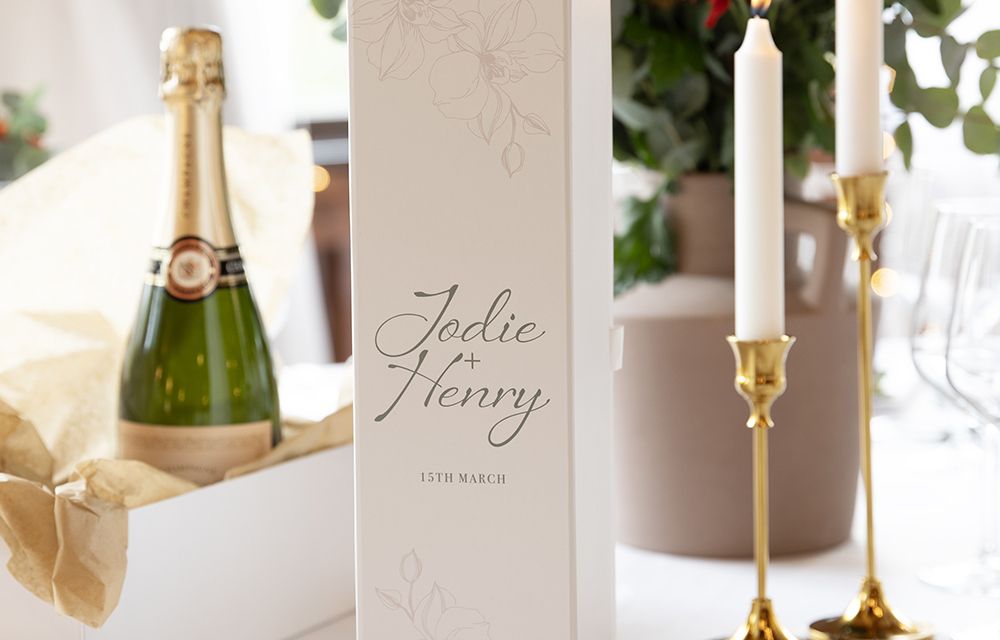
Bottle Shippers that Survive Courier Handling
Choose bottle shipping boxes that prevent bottle-to-bottle contact, protect necks and bases, and resist crush. Match your bottle size and count to the right bottle dividers for boxes or moulded pulp bottle inserts. Set snug tolerances with no rattle or pressure points, then run a quick 10-minute drop test before rollout. Protect labels, contain leaks and keep weight down.
If you are sourcing a wine bottle box, cardboard wine boxes or other bottle shipping boxes, explore our full range of Wine Bottle Boxes.
What Bottles Need to Survive Courier Handling
Impact, stacking and vibration, where damage actually happens
Bottle packaging fails in predictable ways. Not on the shelf, but in transit.
- Impacts: Conveyor transfers, van loading and doorstep drops.
- Stacking and compression: Depots and cages often stack cases 10 or more high.
- Vibration: Loosens caps and scuffs labels if bottles rub.
- Moisture: Rain and condensation can soften a cardboard wine box and damage labels.
If you are designing a wine bottle box or other bottle box for shipping, assume it will be dropped, squeezed and stacked.
The top failure modes:
- Neck snaps: Bottles lever inside loose cells.
- Base impacts: No bottom pad or too much void.
- Bottle-to-bottle contact: Cells too wide or weak dividers.
- Panel crush: Under-spec outer board or tall, weak box design.
- Leaks: Loose closures; liquid wicks into cardboard wine boxes and damages labels or other items.
The fix is simple in theory. Stop movement, spread the load, and support the neck and base.
Choose Your Shipper Type
Corrugated dividers vs moulded pulp vs suspended inserts
| Shipper type | Best for | Pros | Watch-outs |
|---|---|---|---|
| Corrugated dividers (cell partitions) | Standard wine, spirits, oils in 1, 2, 3, 6 or 12 packs | Cost effective, flat-pack, easy to recycle | Must match cell width and height; add top and bottom pads to stop float |
| Moulded pulp bottle inserts | Premium DTC, cosmetics, unusual shapes | Excellent damping, strong neck and shoulder support, mono-material | Bulkier to store; test fit on new glass runs |
| Suspended or floating systems | High-value single bottles or gifts | Strong drop performance, premium presentation | More parts, higher cost; clear assembly process needed |
| Hybrids, dividers plus pads | Heavier 6 or 12 packs | Good balance of cost and strength | Pads must fit tightly; no base float |
If you are comparing bottle boxes for performance, focus on shipping strength first, not just gifting presentation.
Single vs Multi-Bottle Shippers
Risk changes as count increases.
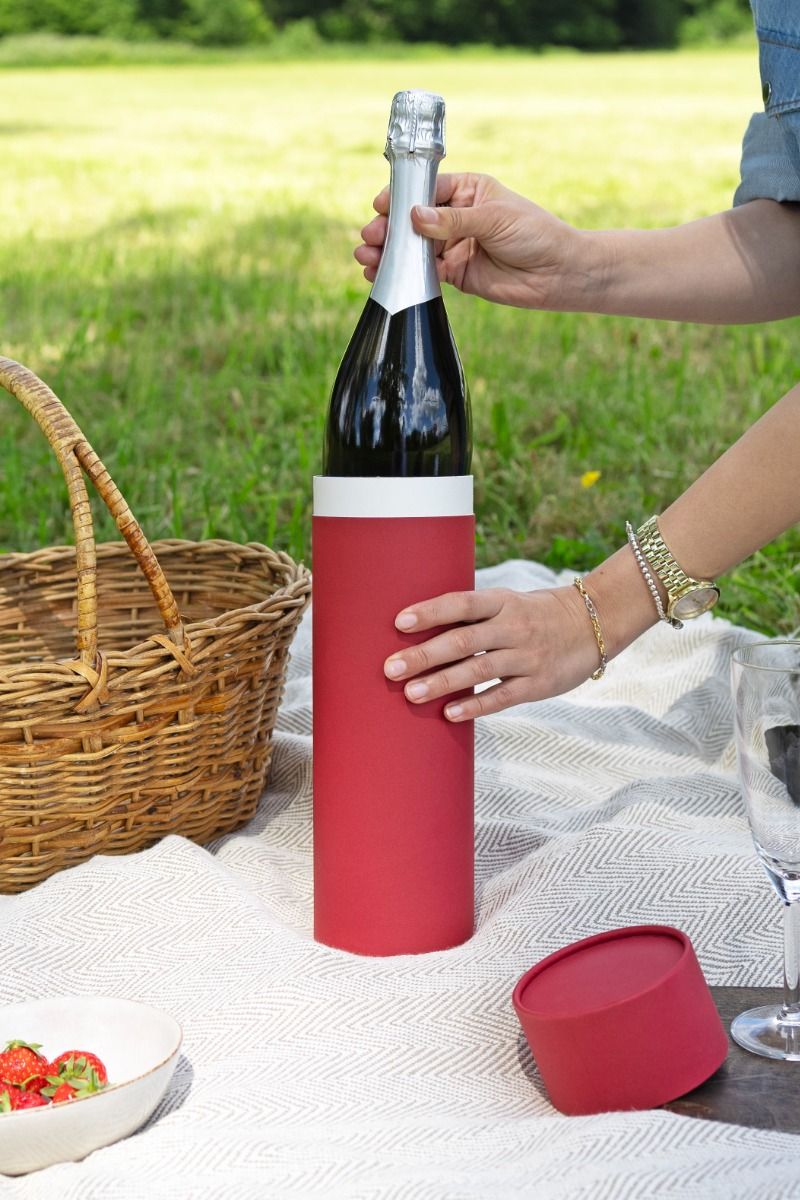
- Single bottle: Main risks are base impact and neck snap. Use a moulded pulp nest or tight sleeve plus pads.
- Two or three bottles: Add anti-rattle strips between shoulders. No glass contact.
- Six or twelve bottles: Weight and stacking drive failures. Use BC double wall for the outer cardboard wine box. EB can work where print or height control matters. Stabilise centre cells.
For crush performance guidance, see Edge Crush and Box Compression in Plain English.
Read: Edge Crush and Box Compression
Fit Tolerances that Prevent Breakages
No rattle, no pressure points.
“Snug” is specific. It is not guesswork.
- Cell width: Bottle diameter plus 2 to 4 mm. Any more invites rattle.
- Cell height: Bottle height plus 5 to 10 mm total with pads. Necks must not touch the lid.
- Shoulder and neck: Support here stops levering that snaps necks.
- Base: Always include a bottom pad. No floating or pivoting.
When specifying bottle dividers for boxes, always request cell dimensions, not just pack count.
Top and bottom pads, edge buffers and corner protection:
- Add 3 to 5 mm corrugated pads at top and bottom.
- For 6 or 12 packs, include a central spine or cross brace to stop bottle clustering.
- If you see panel dings, add simple L-shaped card corner posts.
These small additions often perform better than just moving to a heavier board grade.
Build the Pack Fast Without Weak Points
Insert placement order and bottle orientation:
- Assemble the outer bottle box and tape the base in an H-pattern.
- Insert divider or moulded pulp tray. It should sit flush against all walls.
- Add bottom pad. Seat bottles upright and align shoulders.
- Fit neck clips, sleeves or paper wrap. Use absorbent paper where leaks are possible.
- Add top pad flush, close lid and tape in H-pattern.
- Shake test. Silence means pass. Rattle means refit.
For sealing guidance, see Tape Choices that Keep Boxes Closed.
Seal pattern and handling notes:
- Use two long strips and one cross strip of tape. This is the H-seal.
- For heavy 12 bottle shipping boxes, add short corner straps of tape.
- Only rely on “This way up” labels if your courier respects them. Otherwise design for any orientation.
The 10-Minute Acceptance Test
Before ordering pallet loads of wine bottle shipping boxes, test one.
Quick drop sequence:
Pack a shipper with water-filled bottles of the same weight. Drop from 1 metre onto:
- Base
- Top
- Long edge
- Short edge
- Corner
Five drops total.
What to inspect afterwards:
- Glass: No cracks, no scuffing from contact, closures still tight.
- Outer bottle box: No panel collapse, corners intact, tape holding.
- Inserts: No tearing, no permanently crushed pads, no bottle float.
When to upgrade:
- Contact marks or neck play: Tighten cells or add shoulder support.
- Panel bowing: Move to EB or BC outer board, or reduce box height.
- Repeated base dents: Increase bottom pad thickness or switch to moulded pulp bottle inserts.

Sustainability Without Sacrificing Protection
- Prioritise paper-based inserts such as corrugated dividers or moulded pulp bottle inserts.
- Keep the pack mono-material where possible. Fewer materials mean simpler recycling.
- Minimise reships. The largest carbon and cost impact is replacing broken orders.
- Run the five-drop test every time you change glass supplier or bottle dimensions.
Bottle Shipper Picker
| Bottle type (Ø × H) | Pack size | Recommended shipper | Inserts and pads | Outer board suggestion |
|---|---|---|---|---|
| 500 to 750 ml wine or spirits, Ø 76 to 85 mm, H up to 330 mm | 1 | Pulp nest in mailer carton | Top and bottom pads 3 to 5 mm | EB for print or height control; BC if stacking is heavy |
| 500 to 750 ml wine or spirits | 2 or 3 | Corrugated divider set plus pads | Shoulder fillers or neck sleeves | B or EB if light; BC if heavy |
| 500 to 750 ml wine or spirits | 6 | Corrugated divider with central spine | Top and bottom pads plus corner posts | BC double wall; validate with stack test |
| 500 to 750 ml wine or spirits | 12 | Heavy-duty corrugated divider | Thick pads and cross brace | BC only; validate on stack test |
| 250 to 500 ml oils or cosmetics, Ø 45 to 65 mm | 1 to 6 | Moulded pulp trays | Paper wrap for leaks and cap seals | B or EB; move to BC for 6 packs |
If you are sourcing a wine bottle box, cardboard wine boxes or other bottle shipping boxes, explore our full range of Postal Boxes.
FAQs
What size box fits a wine bottle?
Most 750 ml bottles fit cells 76 to 85 mm diameter and up to 330 mm height. Always measure your glass and test with pads fitted.
What size is a 12 bottle wine box?
External sizes vary by divider system. More important is correct cell size, pad thickness and a BC double wall outer for stacking strength.
How do you pack wine bottles in a box?
Insert divider or tray, add bottom pad, seat bottles upright, add neck support or paper wrap, fit top pad, seal with H-pattern tape, then shake test.
What do you call a box of wine bottles?
Usually a case for 12, or a shipper for any count designed for transport.
What is the best insert, dividers or moulded pulp?
Corrugated dividers suit standard bottles and larger counts. Moulded pulp bottle inserts protect irregular shapes and premium single bottles. Hybrids work well for heavy 6 or 12 packs.
How do I stop bottle-to-bottle contact?
Tighten cell width, add neck or shoulder fillers and always include top and bottom pads.
What drop test can I run quickly?
Run a five-drop, 1 metre sequence on base, top, both edges and one corner using water-filled bottles. Inspect glass, outer bottle packaging and inserts afterwards.