










 Consultations
 Box Finder
 Help Centre


431 products
 18+ Years Expertise
  Next Day Delivery*
  Sustainable Materials
  UK Manufacturing
  Award Winning
  Trustpilot: Excellent
What packaging accessories do I actually need for a premium unboxing?
Start with a simple three-part setup: tissue paper (wrap), a secure filler or insert (protect), and one branded touch (label, ribbon, or tag). This page is built exactly around those jobs: dress, secure, and pack.
Which tissue paper size should I choose for my boxes?
Match tissue size to what you’re doing:
-
Wrapping the product: you want enough overhang to fold neatly over the item.
-
Lining the box: choose a sheet size that covers the base with minimal trimming.
-
Layering for presentation: smaller sheets are quicker for repeat packing runs, larger sheets look luxe for bigger boxes.
We’d recommend picking a “default” option and sticking to this for consistency.
Is your tissue paper acid-free, and why does that matter?
Acid-free tissue is a smart choice when you’re packaging jewellery, prints, keepsakes, and delicate finishes, because it helps reduce the risk of long-term marking or tarnish from acidic materials. We do offer acid-free tissue paper.
What’s the best box filler for fragile items, and how much do I need?
For fragile items, think in two layers:
-
Immobilise: use an insert (foam/card where appropriate) or pack tightly so the product can’t rattle.
-
Cushion: add shredded paper/tissue or similar filler to absorb knocks.Box filler options (including shredded zig zag paper and natural raffia) are great go-tos for postal protection.
For a practical rule: think about filingl the voids, not the whole box. If it moves when you gently shake it, add a little more.
How do I stop products moving around in the box?
Use a “lock-in” method:
-
Right-size the box first (less empty space = less damage).
-
Add a base layer of filler, place product, then top layer to stop lift.
-
For higher-value or delicate items, upgrade to inserts (foam or card inserts where suitable).
Which tape should I use: paper tape or plastic tape?
It depends on your priorities:
-
Paper tape: often chosen when you want a more cohesive paper-based pack, and in many setups it can be recycled with the box if your local recycling accepts it and the adhesive type allows.
-
Plastic tape: can be strong and familiar, but may need removing for recycling depending on local rules.
If you’re packing at volume, also consider dispensing speed and seal strength (especially for heavier parcels).
Can I customise accessories like ribbon, labels, stickers, or note cards with my logo?
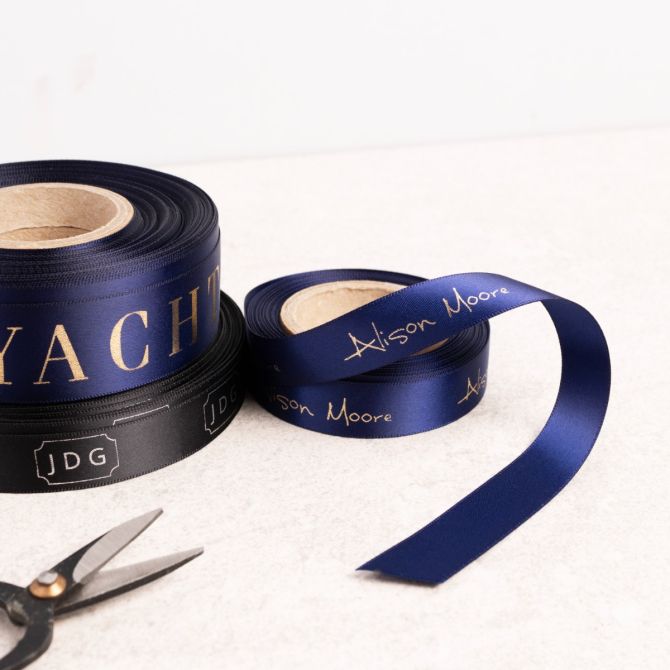
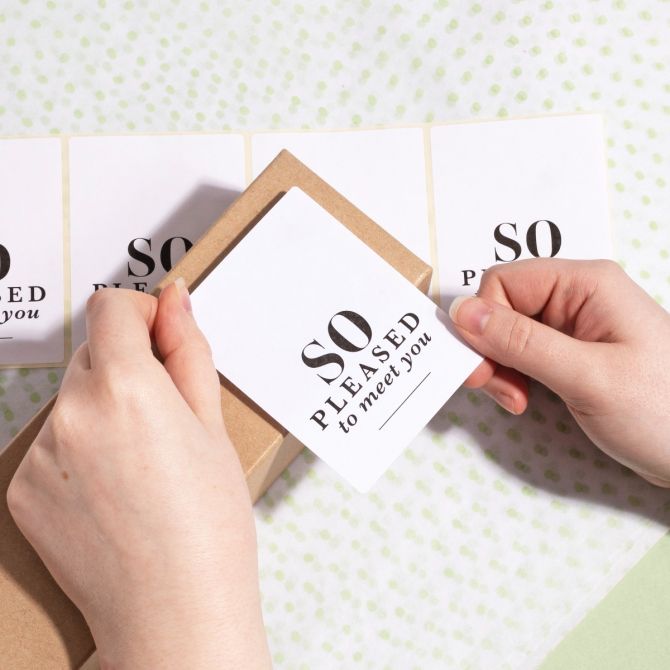
Yes, customisation is a key “finishing touch” angle here. Branding options include personalised ribbon, plus customisable labels and branded note cards (availability varies by product).
Tip for brand managers: if you’re not ready for fully printed boxes, custom ribbon + a label is often the fastest way to make an off-the-shelf pack look bespoke.
What are “secure your packaging” accessories, and when should I use them?
Think of these as the bits that stop the “oh no” moments: extra closure, reinforcement, and protection - especially for postal boxes/bags and fragile shipments. We have a dedicated “Secure Your Packaging” section in filters, alongside “Packaging for Fragile Items”.
Use them when: you’re shipping glass/ceramics, sending high-value items, or you’ve had damage claims and want to tighten the pack-out.
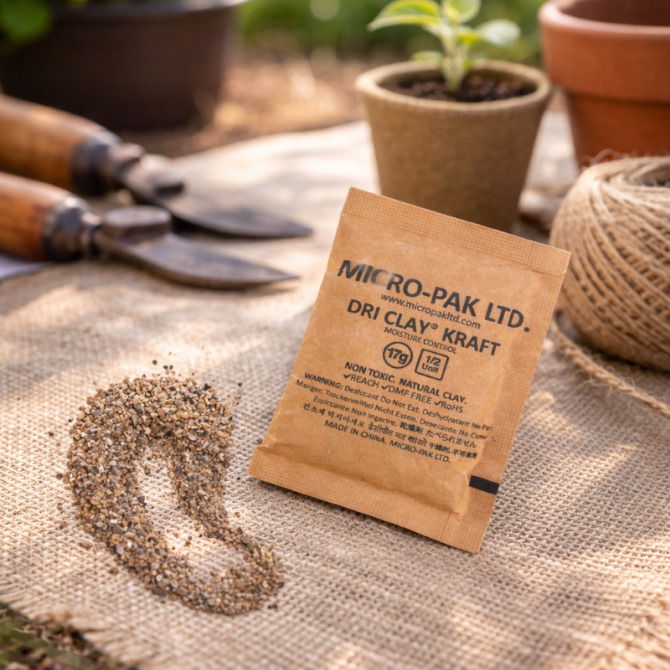
What is Micro-Pak®, and do I need it?
Micro-Pak® products are positioned for mould and moisture protection, using clay desiccants to help keep goods dry in storage and transit (particularly useful for moisture-sensitive products).
You may want it if you ship/store: leather goods, electronics, food items, or products moving through humid conditions (or you’ve had moisture issues before).
Are plantable seed paper tags/cards actually usable, and how should customers plant them?
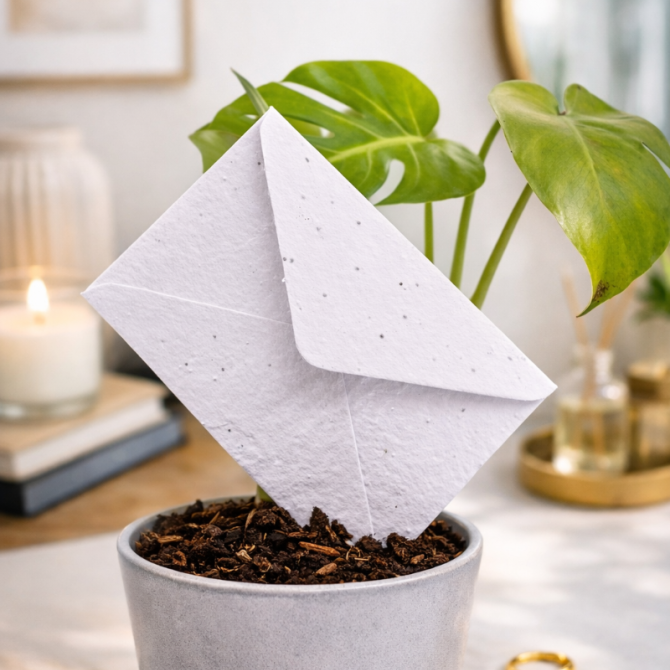
Yes - seed paper is designed to be planted after use (rather than binned). Tiny Box Company also has a dedicated explainer on using seed paper (great for “how to” content and care instructions in your parcels).
Best practice: include a small insert that tells customers how to plant it, plus what to expect (sprouting varies by season and conditions).