




 Consultations
 Box Finder
 Help Centre


Achieving Full Wrap Print on Custom Boxes Without Banding
A full wrap print on custom boxes can turn packaging from a practical container into a brand moment. Instead of a logo sitting neatly on one panel, your artwork moves across the whole structure, wrapping around edges, folds, and panels to create one connected design.
When it works, it feels premium, considered, and beautifully on-brand. When it does not, you may see banding, misaligned panels, colour shifts, awkward seams, or artwork sitting too close to glue areas. Not exactly the grand reveal your gifting campaign had in mind.
For UK Corporate Brand and Gifting Managers, the goal is simple: packaging that looks polished, protects the product, supports sustainability requirements, and arrives on time. Achieving complete wrap printing on bespoke boxes without banding starts long before the box reaches print. It begins with the right box shape, artwork plan, grain direction, material choice, and proofing process.
Ready to get started?
Explore Our Range of Gift Boxes →
What Is Full Wrap Print on Custom Boxes?
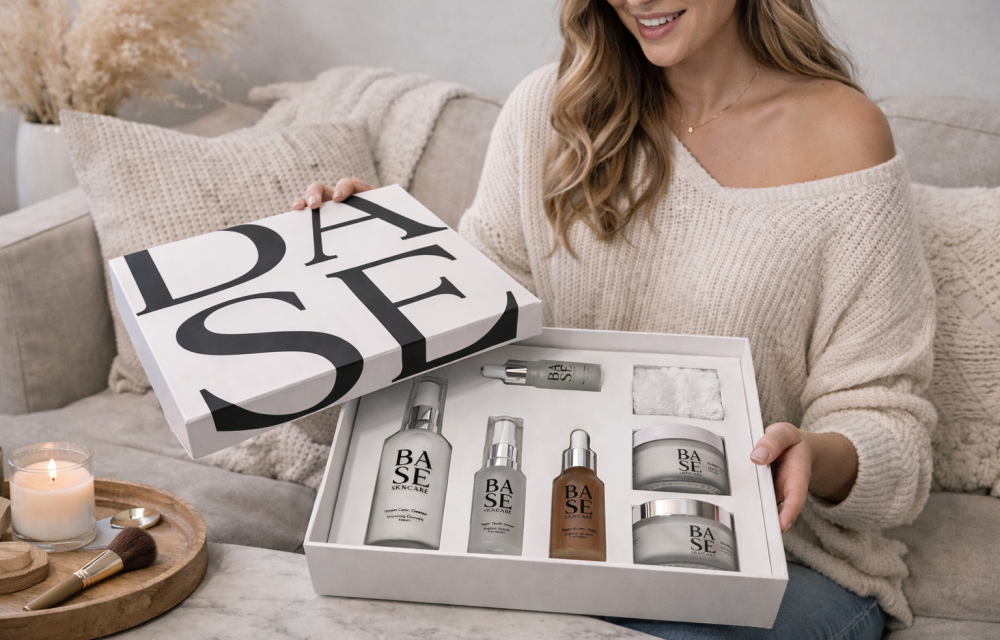
Full wrap print on custom boxes is custom packaging printing where the design extends across multiple panels of the box, often around the front, sides, lid, base, and sometimes the inside panels too. The aim is to create a seamless print on boxes, so the packaging looks intentionally designed from every angle.
In simple terms, achieving custom packaging no banding means:
- planning the artwork around the full dieline, not just one front-facing panel
- allowing for folds, joins, glue areas, and trimming movement
- choosing materials and print methods that support even colour coverage
- checking grain direction so folds stay clean and print sits smoothly
- using production-linked proofs to reduce surprises at final print
For packaging with logo placement, this matters even more. A logo that lands beautifully on a flat screen can become distorted if it crosses a fold, sits too close to a crease, or clashes with a tuck or glue tab.
Why Full Wrap Printing Works So Well for Brand and Gifting Campaigns
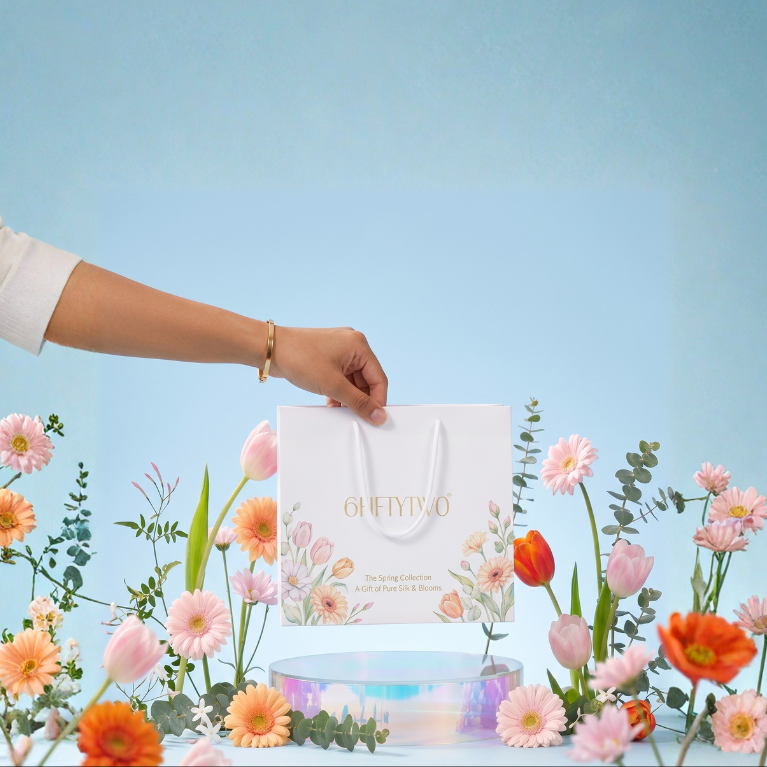
Corporate gifting lives or dies in the details. A beautiful gift in a forgettable box is a missed opportunity. A beautifully printed box, however, starts telling the story before the recipient reaches the product inside.
Full wrap print custom boxes can help you:
- create stronger brand visibility across every visible surface
- make campaign packaging feel more premium and more memorable
- carry campaign artwork, seasonal designs, product messaging, or brand patterns
- improve consistency across event gifting, employee packs, PR mailers, and client gifts
- build an unboxing experience that feels intentional from the first glance
For company gifting, this can be the difference between “nice box” and “that was made for us.” The second one is where the magic is.
Why Banding Happens in Custom Packaging Printing
Banding is usually seen as uneven print coverage, visible stripes, tonal shifts, or unwanted breaks in the artwork. In full wrap print on custom boxes, it can happen for several reasons.
The most common causes include poor artwork panel planning, unsuitable artwork for the chosen material, heavy ink coverage across large flat areas, incorrect grain direction, print limitations, or colour builds that are hard to hold consistently in production.
It can also happen when artwork is treated as a flat graphic rather than a three-dimensional object. A box is not a poster with corners. It has folds, tolerances, joins, and movement. Even the most beautiful branding and design needs to respect the structure underneath.
That is why experienced box printers will always want to understand the final box style, material, artwork coverage, and intended finish before confirming the best route.
Start With the Right Box Shape
Before artwork begins, choose the right structure. Different cardboard box shapes behave differently under print, folding, and assembly.
A rigid gift box, magnetic box, tuck-end box, cardboard mailer, or crash-lock base box will each have different panel breaks, fold lines, and glue zones. Some are better suited to large continuous patterns. Others may need the artwork split carefully across panels to avoid obvious joins.
For custom boxes for products, start by asking:
- Which panels will the recipient see first?
- Will the box be photographed or filmed during unboxing?
- Does the artwork need to continue around a corner?
- Will the print sit near folds, tabs, or closing points?
- Is the box being shipped, displayed, gifted, or handed out at an event?
The answer shapes the artwork plan. A design for a PR launch mailer may need a strong first impression on the outer lid. A premium client gift may need a quieter outside and a delightful printed reveal inside. Think outside? Absolutely. Just do not forget the inside.
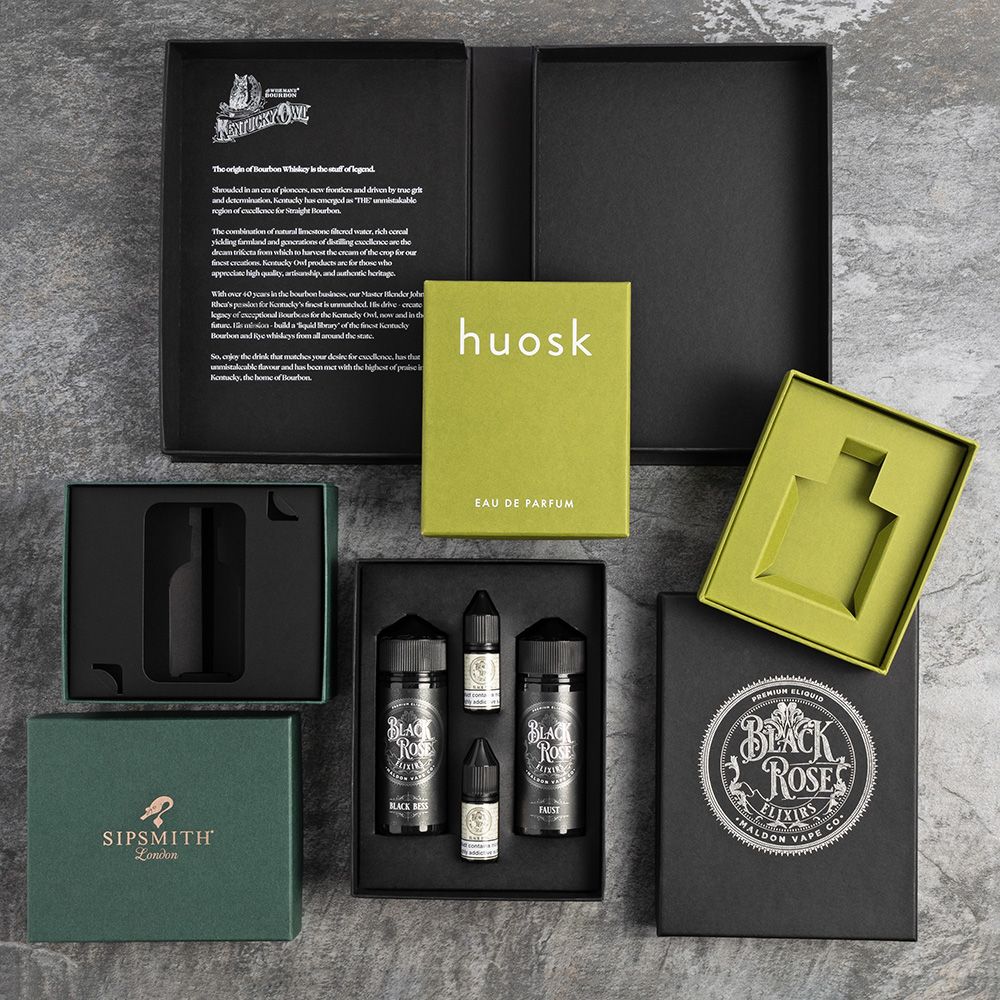
Plan Artwork by Panel, Not by Page
Meticulous artwork panel planning is the heart of complete wrap printing on bespoke boxes without banding. The dieline should be treated as a map of the finished box, not just a flat template.
Each panel needs a job. The lid might carry the hero branding. The side panels might hold a pattern, campaign line, QR code, or product range message. The inside lid might carry the welcome note. The base may need to stay simple for barcodes, recycling marks, or fulfilment labels.
When planning artwork, pay close attention to:
- bleed areas
- crease lines
- cut lines
- glue tabs
- tuck flaps
- registration tolerances
- safe zones for logos and small text
- direction of artwork when the box is assembled
A common mistake is placing important branding across a fold without checking how that fold will behave. Patterns can often wrap beautifully. Fine typography, facial imagery, QR codes, and intricate logos usually need more breathing room.
Avoid Glue Area Clashes
Glue areas are not the place for your hero design. Ink-heavy artwork in glue zones can affect adhesion, assembly, or finish quality. It can also cause unexpected marks, weak bonds, or visible misalignment if the printed area sits too close to a join.
Your artwork should clearly show glue-free areas and safe zones. If you are ordering customised boxes UK-wide for a large campaign, this step is especially important because small errors can multiply quickly across a full production run.
A clean print plan gives the box room to be manufactured properly. Beautiful branding, meet practical production. You will get along nicely.
Check Grain Direction Before Print
Grain direction refers to the direction in which fibres naturally align in paper or board. It affects how the material folds, bends, scores, and holds its shape.
For full wrap printed boxes, grain direction can influence:
- how cleanly folds form
- whether cracking appears on printed creases
- how smooth large ink areas look
- how well the finished box holds its structure
- how premium the box feels in hand
When grain direction works with the box design, folds are cleaner and coverage looks more even. When it works against the design, you may see cracking, stress marks, or a less refined finish around corners and creases.
This is particularly important for dark colours, solid backgrounds, and full-coverage artwork. A deep navy, forest green, or rich black can look stunning, but only if the material, grain, print method, and finish are working together.
Choose the Right Print Method
There is no single best print method for every project. The right choice depends on order quantity, material, colour coverage, budget, finish, and deadline.
Common custom packaging printing routes include:
Digital Print
A strong option for shorter runs, campaign testing, personalisation, and designs with multiple versions. It can be useful when timelines are compressed or when you need flexibility.
Litho Print
Often chosen for premium results, larger runs, and strong colour control. It can work well for high-end gift packaging and detailed brand artwork.
Flexographic Print
Often used for certain corrugated packaging and larger production runs. It can be practical for simpler designs, repeat patterns, and branded shipping boxes.
Foil, Emboss, Deboss, Spot UV and Varnish
These finishes can lift the perceived value of packaging with logo details, campaign marks, or subtle texture. They work best when used with restraint. The box should feel dressed up, not over-accessorised.
The key is to match the print method to the design, not force the design through the wrong print route.
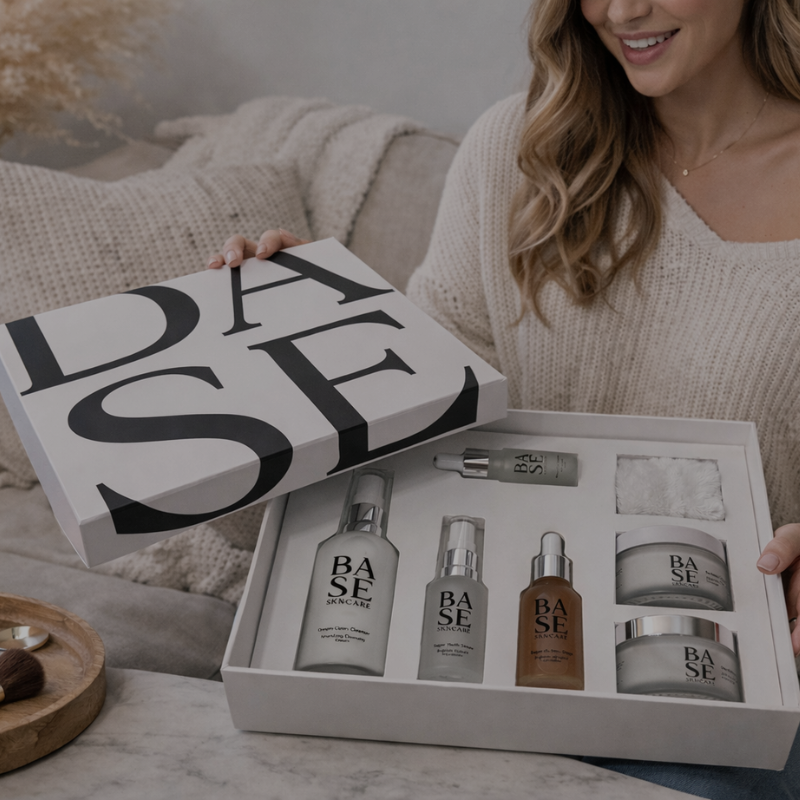
Use Colour Proofs That Track to Production
For corporate gifting and brand campaigns, colour confidence matters. A box that looks slightly off-brand can weaken the whole experience, especially when it sits next to printed cards, ribbons, inserts, bags, or product labels.
Ask for proofs that reflect the intended production method as closely as possible. This helps you check colour, scale, positioning, contrast, and how the artwork behaves across panels.
You may also want to review colour proofs that track to production once available, especially if your brand colours are non-negotiable.
For large campaigns, this step can save time, cost, and a few very tense inbox moments.
Design for Smooth, Even Coverage
To create seamless print on boxes, the artwork needs to support the print process. Large flat colour blocks are often more demanding than patterns, textures, or illustrations because any variation is easier to see.
To reduce visible banding, consider:
- using subtle patterns or textures instead of very large flat colour fields
- avoiding delicate gradients across folds or large panels
- keeping important artwork away from edges and joins
- checking colour builds before artwork is signed off
- using coatings or finishes that support the desired look
- testing darker colours on the chosen material before committing
This does not mean you have to play it safe. It means the bold ideas need a good technical wing-woman.
Consider Sustainability Aspects From the Start
Sustainability aspects should be part of the specification, not a last-minute badge added at the end. Corporate gifting teams are under pressure to create packaging that looks premium while supporting responsible procurement.
Depending on the project, you may want to consider:
- recyclable board options
- recycled content, with the percentage clearly stated
- FSC-certified options where available
- plastic-free options where suitable
- right-sized packaging to reduce unnecessary material
- reusable box styles for premium gifts
- clear disposal or recycling guidance for recipients
Avoid vague claims. “Eco-friendly” sounds lovely, but specific claims are stronger. “Made with recycled content” or “FSC-certified board option available” gives procurement teams something clearer to work with.
Premium packaging should not have to whisper about responsibility. It should simply be built with better choices from the beginning.
Build in Operational Efficiency
Beautiful custom boxes still need to work in the real world. They need to be packed, stored, shipped, opened, and sometimes assembled at speed.
When designing custom packaging for corporate campaigns, think about:
- assembly time
- flat-packed versus pre-assembled supply
- storage space
- pack-line handling
- labelling areas
- courier requirements
- protection during transit
- whether the box can support multiple product combinations
A full wrap design can still be practical. The trick is to make sure the structure, artwork, and fulfilment process are planned together.
For example, a cardboard mailer may be ideal for a lightweight PR campaign, while a rigid gift box may be better for a premium executive gift. Both can carry full wrap print, but they solve different problems.
How Full Wrap Print Enhances the Unboxing Experience
Unboxing is a sequence: first look, lift, open, reveal, touch, share, remember.
Full wrap print custom boxes allow you to shape every stage of that journey. The outside can create anticipation. The inside lid can deliver a message. The side panels can carry a pattern or brand story. Inserts can frame the product and keep everything in place.
This is where custom printed gift boxes do their best work. They make the recipient feel that every detail was chosen, not thrown together. For corporate gifting, that sense of care reflects directly on the brand sending the gift.
Explore custom printed gift boxes if your next campaign needs packaging with presence.
Full Wrap Printing Versus Traditional Banding
Traditional banding can be useful. A printed sleeve, belly band, or branded strip can add identity to a plain box, often with less complexity and lower cost.
Full wrap printing, however, creates a more complete brand experience. It gives you more surface area, more storytelling space, and a more premium finish. Instead of adding branding onto the box, the box becomes the branding.
For high-value company gifting, product launches, and brand campaigns, that difference matters. A band says “branded.” A full wrap says “made for this moment.”
Specification Checklist for Custom Packaging No Banding
Use this checklist before you order packaging or brief box printers.
| Area | What to check |
|---|---|
| Box structure | Confirm the box style, size, opening direction, and visible panels. |
| Material | Choose the board type, GSM, finish, recycled content, and any FSC-certified options. |
| Grain direction | Check that grain direction supports clean folds and smooth printed coverage. |
| Artwork dieline | Map each panel, crease, cut line, bleed area, safe zone, and glue area. |
| Logo placement | Keep logos, QR codes, and fine text away from folds, trims, and joins. |
| Print method | Choose digital, litho, flexographic, or specialist finishes based on quantity, quality, and timeline. |
| Colour proofing | Review colour proofs that track as closely as possible to the final production process. |
| Finishes | Check whether foil, emboss, deboss, varnish, or spot UV will improve the design without overcomplicating it. |
| Fulfilment | Confirm packing method, storage, delivery, assembly time, and courier handling. |
| Sustainability | Specify recyclable materials, recycled content, plastic-free options, or FSC-certified options where suitable. |
Need more help with colour proofs that track to production?
Creating Packaging That Feels Complete
Full wrap print custom boxes are not just about covering more surface area. They are about creating packaging that feels complete, considered, and unmistakably yours.
The best results come from early planning, precise artwork, suitable materials, sensible print choices, and a supplier who understands how a flat dieline becomes a real, gift-worthy box.
When every panel has a purpose, your packaging does more than carry the product. It carries the brand moment.
Explore custom packaging printing for your next campaign and create boxes worth remembering.
Explore Custom Packaging Printing →
Ready to get started?
Explore Our Range of Gift Boxes →
FAQs
What are the benefits of full wrap print on custom boxes?
Full wrap print on custom boxes gives your brand more space to tell a story. It can improve shelf presence, create a premium unboxing experience, and make corporate gifting feel more considered. It is especially useful when packaging needs to carry campaign artwork, product messaging, or a consistent brand pattern.
How can I achieve full wrap print on custom boxes without banding?
Start with a precise dieline, clear artwork panel planning, and the right print method for your material and quantity. Check grain direction, avoid placing important artwork across folds, and use production-linked proofs before sign-off. Seamless print on boxes depends on planning the structure and artwork together.
What techniques ensure smooth and even coverage for full wrap printed boxes?
Use suitable materials, avoid difficult colour builds, allow generous bleed, and keep key design elements away from trims and glue areas. Subtle patterns can be more forgiving than large flat colour blocks. The right coating or finish can also help create a smoother final look.
Why is artwork panel planning important in custom box printing?
Artwork panel planning makes sure the design works when the box is folded, glued, and opened. Without it, logos can land on creases, patterns can misalign, and important details can disappear into joins. Good planning turns a flat design into a polished three-dimensional brand experience.
How does grain direction affect full wrap printed boxes?
Grain direction affects how board folds, scores, and holds its shape. If the grain direction works against the box structure, printed creases may crack or look uneven. Getting it right helps the packaging feel cleaner, stronger, and more premium.
What print choices should I consider for custom boxes with full wrap printing?
Consider digital print for flexibility and shorter runs, litho print for premium larger runs, and flexographic print for certain corrugated projects. Specialist finishes such as foil, emboss, deboss, spot UV, and varnish can add impact when used carefully. The best choice depends on your artwork, material, quantity, deadline, and budget.
How can full wrap printed boxes enhance the unboxing experience?
They create a designed journey from the outside of the box to the reveal inside. You can use each panel to build anticipation, reinforce brand identity, and guide the recipient through the moment. For company gifting, this can make the gift feel more personal and more memorable.
What sustainable practices can be included in custom packaging?
You can consider recyclable materials, recycled content, FSC-certified options, plastic-free alternatives, and right-sized packaging. Reusable box styles can also add value for premium gifting. Always make sustainability claims specific and evidence-based.
How can custom boxes support brand consistency in corporate gifting?
Custom boxes help align packaging with your campaign colours, messaging, logo use, and overall visual identity. When artwork, print, and finishes are properly planned, the packaging feels connected to the rest of the brand experience. This is especially important for gifting programmes, PR launches, and client campaigns.
What operational efficiencies should I consider when designing custom boxes?
Think about assembly time, storage, delivery, fulfilment, labelling, and courier handling. A beautiful box still needs to be practical for your team to pack and send. The best custom packaging balances brand impact with smooth day-to-day handling.