








 Consultations
 Box Finder
 Help Centre


Ring Boxes That Hold Securely
Secure ring boxes rely on three things: the right slit width, the right insert material, and enough lid depth for the ring to sit upright without twisting or snagging. When those three elements work together, the ring stays centred, presents cleanly, and feels easy to remove without looking loose.
Find the perfect ring box to get you started.
Why Some Ring Boxes Hold Better Than Others
At first glance, many ring boxes look almost identical. But performance problems usually start in the details the customer cannot see straight away: the insert cut, the fit around the band, and the space between the ring and the lid.
That is why one ring box can make a ring look stable, upright and premium, while another leaves the ring leaning, twisting or sitting awkwardly off-centre.
For premium jewellery brands, that difference matters. The ring is usually the focal point of the whole presentation. If the ring inside box sits at a poor angle, the box can make the jewellery look less considered than it really is.
What Actually Keeps a Ring Upright?
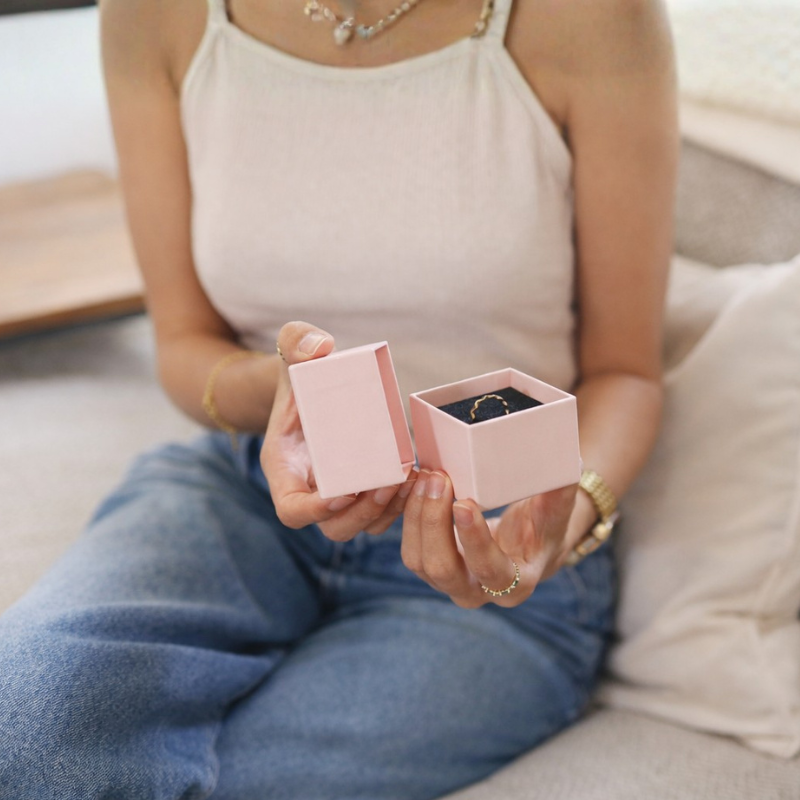
A secure ring in ring box presentation depends on controlled grip. Not too loose, not too tight.
The main holding points are:
- the slit width in the insert
- the insert material and how it compresses
- the depth of the cut relative to the ring band
- the lid clearance above raised stones or settings
If any of those are wrong, the ring may:
- lean to one side
- twist after opening and closing
- feel difficult to remove
- snag on the insert
- press into the lid
A better fit guide solves those problems before they reach retail, launch or gifting.
Slit Width: The Part That Does Most of the Work
If you are choosing a ring box for reliable presentation, slit width is one of the first things to check.
Too wide
If the slit is too wide for the band, the ring has room to shift. That is when you start to see:
- twisting
- leaning
- a ring sitting off-centre
- movement during delivery or repeated handling
Too narrow
If the slit is too tight, the insert may grip too aggressively. That can cause:
- over-compression
- snagging on delicate settings
- awkward lift-out
- insert stress over repeated use
The best fit: A good slit width should hold the ring securely enough to keep it upright, while still allowing a clean, controlled removal.
This is especially important for engagement ring box and wedding ring box formats, where the reveal matters as much as the protection.
Why a Tighter Fit Is Not Always Better
A common assumption is that the tighter the slit, the safer the ring will be. In practice, that is not always true.
An over-tight insert can make the ring with the box feel awkward and less premium. It can also increase the chance of:
- catching claws or elevated settings
- distorting softer insert materials
- making repeated opening and closing less consistent
- leaving the ring slightly pulled off angle by the insert itself
The goal is controlled grip, not maximum force.
Insert Materials: What Works for Different Ring Styles
The insert material changes how the box grips the ring and how premium the presentation feels.
Softer inserts
These compress more easily and can work well for lighter bands or finer jewellery.
Good for: plain bands, lighter fashion rings and more delicate silhouettes.
Watch-outs: they may not control heavier rings as well if the slit is not sized carefully.
Firmer inserts
These hold shape more confidently and can help keep the ring more upright over repeated use.
Good for: heavier rings, signet styles and rings that need stronger positional control.
Watch-outs: if the cut is too tight, removal can feel less smooth.
Balanced insert choices
For many premium bridal ring boxes and gifting uses, the best insert is the one that combines a clean surface finish with enough structure to hold the band without forcing it.
Plain Bands, Set Stones and Signet Rings Need Different Support
Not every ring behaves the same way in a box.
Plain bands
Plain bands are usually easier to hold securely because the profile is simpler and lower.
What they need: a well-sized slit and clean centring.
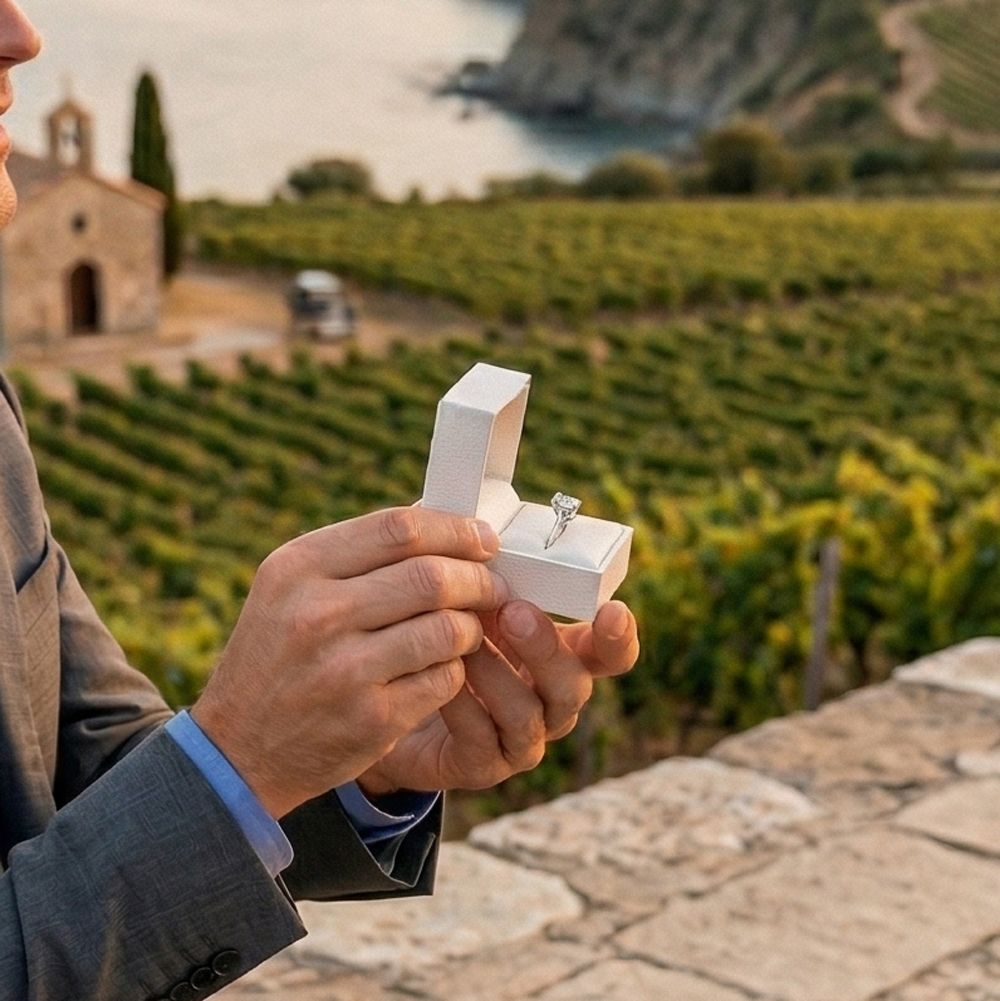
Set stones and raised settings
These need more thought because the visual focus sits higher above the band.
What they need:
- support at band level
- enough lid depth for the setting
- no pressure on claws or elevated stones
Heavier signet styles
These often carry more weight and can shift differently in-box.
What they need:
- firmer insert support
- strong slit control
- better resistance to leaning or twisting
That is why a one-size-fits-all insert is rarely the best route if presentation standards matter.
Lid Depth: The Detail Brands Often Overlook
Lid depth has a huge impact on whether a proposal ring box or engagement ring box actually performs well.
If the ring sits proud and the lid is too shallow, you risk:
- contact with the stone or setting
- a ring being pushed out of ideal position
- snagging or rubbing during closure
- a box that closes, but only under pressure
Lid depth matters most for:
- raised settings
- larger stones
- claw-set rings
- any design that sits high above the band
A deeper box is not always needed, but enough internal clearance is essential if you want the ring to look safe, balanced and premium.
How Deep Should a Ring Box Be?
There is no single depth that suits every ring.
The right answer depends on:
- the band thickness
- whether the ring has a raised setting
- how high the stone or detail sits above the insert
- whether the ring needs to sit more upright or slightly reclined
A practical rule: Check the full height of the ring once it is seated in the insert, not just the band, but the highest point of the setting too.
Then make sure the lid closes cleanly with comfortable clearance rather than “just about fitting”.
That is what keeps the ring inside the box secure without compromising the reveal.
Why Rings Lean to One Side in the Box
This is one of the most common presentation failures.
Usually, leaning comes from one or more of the following:
- slit too wide for the band
- insert too soft for the ring’s weight
- ring seated unevenly during packing
- the ring shape pulling weight forward or to one side
- repeated handling causing slight twist over time
A leaning ring makes even a luxury jewellery box look less refined. It is usually a fit problem, not a styling problem.
Can Ring Boxes Stop Twisting During Delivery?
They can reduce it significantly, if the insert geometry is right.
For delivery or gifting use, the ring needs support against:
- vibration
- parcel movement
- repeated handling
- opening and closing during checks or display
Better transport-readiness comes from:
- correct slit width
- enough grip to resist rotation
- stable insert material
- good lid clearance so the ring is not nudged out of place
That is why fit testing should include postal or delivery conditions, not just a static display check.
Fit Testing for Display, Gifting and Postal Use
A ring box that works in a showroom still needs to perform in real life.
For display
Check:
- upright angle
- centring
- ease of viewing the ring
- consistency across multiple boxes
For gifting
Check:
- open-close smoothness
- how confidently the ring presents on first lift
- whether the ring looks stable and premium from the first glance
For postal use
Check:
- twist after movement
- whether the ring stays seated through gentle transport testing
- whether the insert still performs after repeated opening and closing
A ring box that looks premium but fails after movement is not doing the full job.
Simple QC Checks Every Brand Should Run
You do not need a complicated testing programme to spot most ring-box fit issues.
1. Upright angle check:
Does the ring sit straight and balanced when placed in the insert?
2. Twist check:
After a few openings and closings, does the ring stay aligned or drift sideways?
3. Lift-out ease:
Can the ring be removed smoothly without feeling stuck or snagged?
4. Lid clearance check:
Does the lid close comfortably without contacting the setting?
5. Repeat consistency:
Do multiple boxes from the same batch hold the ring in the same way?
This is especially useful when comparing samples with final production, because inconsistency often shows up here first.
Finish and Insert Colour Change the Presentation Too
Secure fit is the priority, but visual choices also affect how premium the final result feels.
- Insert colour: A darker insert can make bright metals or stones stand out. A lighter insert can soften the presentation and feel more bridal or gift-led.
- Surface finish: The finish of the box itself changes how formal or luxurious the whole piece feels.
- Why this matters: The ring should be easy to see and feel visually centred. A secure fit with poor contrast can still weaken the presentation.
That is why the best ring boxes balance retention and visual clarity together.
Practical Selection Guidance by Ring Type and Use
- For plain bands: Choose a box with a well-sized slit and a clean, consistent insert finish. Deep lid clearance is usually less critical.
- For engagement rings: Prioritise slit accuracy, visual centring and enough lid depth for raised settings. This is where engagement ring box performance matters most.
- For wedding rings: A wedding ring box often needs a tidy, balanced reveal and reliable repeated opening if used in retail or gifting.
- For heavier or signet rings: Use a firmer insert and check that the ring does not lean after movement.
- For postal gifting: Prioritise twist resistance, repeated-open consistency and enough security to keep the ring stable in transit.
Ring Type to Insert Type: A Simple Selector
| Ring type | What to prioritise | Better insert approach |
|---|---|---|
| Plain band | Centring and smooth removal | Clean slit fit with moderate grip |
| Engagement ring | Upright display and lid clearance | Controlled slit + deeper lid allowance |
| Wedding band | Balanced presentation and consistency | Stable insert with easy repeat use |
| Signet ring | Weight support and twist control | Firmer insert with stronger positional hold |
| Proposal ring box use | Reveal and premium first impression | Supportive insert + clean lid clearance |
Want guidance on boxes that work with your ring collection? Check out our blog on Earring and Stud Boxes That Line Up Neatly.
A Quick Secure-Fit Checklist
Before approving a ring box spec, check:
- slit width matches the intended band range
- insert material suits the weight and style of the ring
- the ring sits upright and centred
- the lid closes without pressure on raised settings
- removal feels smooth, not awkward
- repeated opening does not cause twist or drift
- insert and finish support ring visibility and premium presentation
Want to explore our full jewellery collection?
FAQs
How tight should a ring box insert be?
Tight enough to keep the ring upright and centred, but not so tight that removal feels forced or the setting snags.
What keeps a ring upright inside a gift box?
The main factors are slit width, insert material and correct lid clearance. Together, they control grip and presentation.
Do heavier rings need a different insert cut?
Often, yes. Heavier styles may need firmer support and more resistance to leaning or twisting.
How deep should a ring box be for raised settings?
Deep enough that the highest point of the ring clears the lid comfortably without pressure.
Can ring boxes stop a ring twisting during delivery?
They can reduce twisting significantly when the slit fit, insert material and lid depth are correctly matched to the ring.
What is the best insert material for engagement rings?
Usually one that balances a premium finish with enough structure to hold the band securely without making removal awkward.
Why does a ring lean to one side in the box?
Usually because the slit is too wide, the insert is too soft, or the ring’s weight is not being controlled evenly.