











 Consultations
 Box Finder
 Help Centre


The Power Of Branded Gift Bags For Luxury Brands
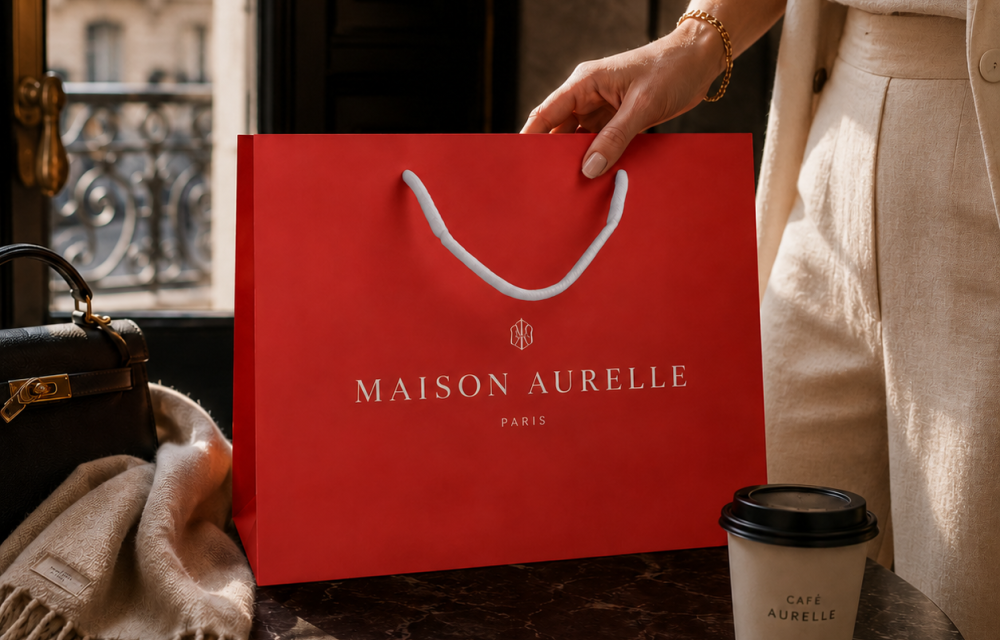
A branded gift bag has one job before it carries anything: make the right impression.
For luxury beauty, fashion, and jewellery brands, that impression begins with proportion, colour, print, structure, and the way the handles sit against the design. A beautifully printed logo loses its impact if it disappears beneath a handle knot. A dramatic side gusset becomes less useful when important artwork folds out of sight.
The strongest luxury branded gift bags are designed as complete objects, not flat artworks wrapped around a bag shape.
Intelligent packaging design considers every visible panel, fold, handle, opening, and carrying position. This helps brands create eye-catching branded gift bags that look polished in-store, in customer photographs, at events, and throughout the wider unboxing experience.
Immediate impact is not about adding more decoration. It is about making every detail land properly.
Want to learn more about what’s possible with branding?
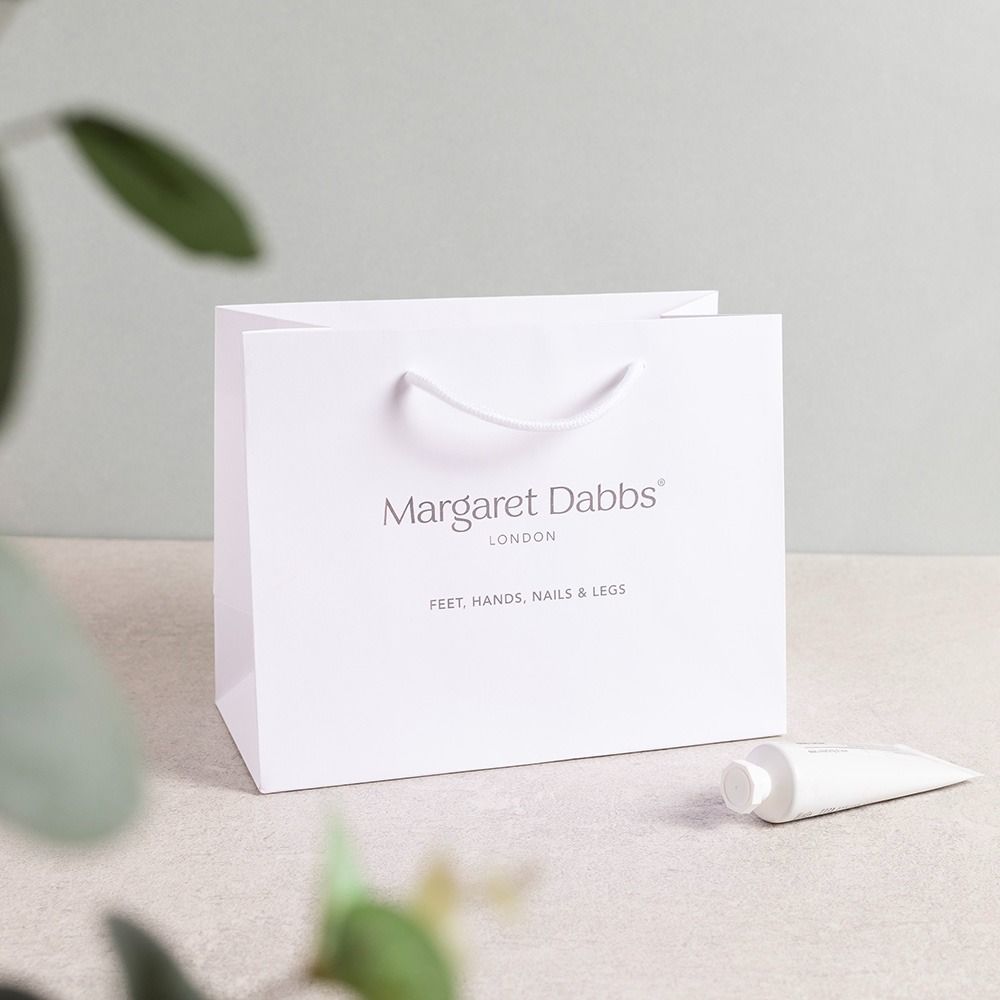
What Makes A Branded Gift Bag High Impact?
A high-impact branded gift bag combines clear branding, balanced panel layouts, appropriate materials, well-positioned handles, and a structure that performs throughout filling, carrying, opening, and reuse.
The strongest designs usually include:
- A clear front-panel focal point.
- A grid that accounts for folds, handles, and construction areas.
- Branding that remains visible when the bag is carried.
- Side gussets used deliberately.
- Materials and handles suited to the product weight.
- Colours and finishes that support the wider packaging system.
- A specification that can be produced consistently at scale.
The result should feel unmistakably branded before the customer has even looked inside.
Why Branded Gift Bags Matter For Luxury Brands
Gift bags are often one of the most visible elements in a retail or gifting experience.
They may appear:
- At a beauty counter.
- Across a fashion store.
- In customer social content.
- At product launches.
- During press events.
- In hotel rooms.
- At corporate gifting moments.
- On the journey home.
- In the recipient’s later storage or reuse.
This visibility gives customised gift bags a role beyond simply carrying a product.
They can help:
- Reinforce brand recognition.
- Create a premium handover moment.
- Connect several products within one purchase.
- Support seasonal campaigns.
- Add perceived value to gifting.
- Turn standard retail packaging into something more memorable.
- Extend the brand experience beyond the store.
- Encourage reuse when the structure and design support it.
A gift bag becomes a moving piece of brand communication. It deserves more thought than “logo in the middle and hope for the best”.
Start With The Bag Structure
Packaging design should begin with the physical bag, not the artwork.
Before placing a logo, confirm:
- Finished width.
- Finished height.
- Gusset depth.
- Turnover at the top.
- Base construction.
- Handle type.
- Handle position.
- Handle knot or fixing area.
- Board or reinforcement placement.
- Fold lines.
- Glue and construction areas.
- Product weight.
- Intended filling method.
These details determine where branding can sit safely and how it will look once the bag is assembled.
A flat artwork file can be deceptive. The front panel may appear generous until handles, folds, and the top turnover remove part of the usable area.
Design to the constructed bag, not the rectangle on screen.
Understanding Front-Panel Grids
The front panel is usually the main branding area on a gift bag.
A clear grid helps teams place logos, campaign artwork, product messaging, and finishes in a way that remains balanced after assembly.
The grid should account for:
- Top turnover.
- Handle holes or fixing points.
- Handle drop.
- Bottom fold.
- Side folds.
- Print tolerance.
- Safe areas.
- Photography angles.
- Visual balance when the bag is filled.
A useful front-panel hierarchy may include:
- Primary logo.
- Campaign or collection message.
- Supporting graphic.
- Website or social handle.
- Regulatory or material information, where suitable.
Not every element needs to appear on the front.
For luxury branded gift bags, restraint often creates more impact than filling every available space.
How To Avoid Handle Clash
Handle clash happens when handles, knots, fixing points, or movement interfere with the artwork.
This may cause:
- A logo to become partially covered.
- Fine text to sit beneath a knot.
- Foil to crack or rub.
- A campaign message to become difficult to read.
- The bag to look unbalanced when carried.
- Handles to cast distracting shadows in photography.
To reduce handle clash:
- Mark handle holes and fixing areas on the artwork template.
- Show the full handle drop during design review.
- Keep key details clear of the upper centre area where handles naturally fall.
- Test the bag while carried, not only while standing flat.
- Review both loose and filled samples.
- Check how knots sit inside and outside the bag.
- Consider how ribbon or cord handles move during transport.
- Photograph the sample from typical customer angles.
A handle is a moving component. The safe area needs to allow for movement rather than treating it as a fixed line on a dieline.
A Quick Handle-Clash Test
Use this simple test before approving production.
- Assemble the gift bag fully.
- Fill it with the intended product or an equivalent weight.
- Lift the bag by both handles.
- Let the handles fall naturally against the front and back panels.
- Check whether the logo remains visible.
- Review knots, eyelets, and handle shadows.
- Carry the bag for a short distance.
- Place it down and review how the handles settle.
- Photograph the bag from the front, side, and three-quarter angle.
- Repeat the test with the maximum expected product weight.
This reveals issues that may not appear in a flat proof.
Handles have a habit of ignoring the artwork meeting.
Using Side Gussets Intelligently
Side gussets are often treated as secondary areas, but they can support a more distinctive design.
They may carry:
- A repeating pattern.
- Brand colour.
- A short message.
- A product category.
- A web address.
- A sustainability instruction.
- A seasonal detail.
- A subtle secondary logo.
The right use depends on how the bag will appear when:
- Folded flat.
- Open.
- Filled.
- Carried.
- Photographed.
- Stored.
- Reused.
A gusset design should remain intentional when folded. Important information should not disappear into the crease or become distorted when the bag expands.
For an immediate visual impact, a contrasting gusset can add interest without overcrowding the front panel.
Front Panel Or Gusset: Where Should Branding Go?
Use the front panel for information that must be recognised quickly.
This usually includes:
- The primary logo.
- The main campaign message.
- A distinctive brand motif.
- The product or collection name.
Use the gusset for supporting details.
This may include:
- A repeated pattern.
- A short line of copy.
- A colour contrast.
- A web address.
- A disposal or reuse instruction.
- A secondary symbol.
The gusset should reward a closer look. The front panel should work from across the room.
Choosing The Right Bag Proportions
Bag proportion affects presentation, product protection, carrying comfort, and material use.
A bag that is too large can:
- Allow products to move.
- Require unnecessary tissue or fill.
- Feel wasteful.
- Reduce perceived product value.
- Take up more storage space.
- Increase transport volume.
A bag that is too small can:
- Distort the side panels.
- Place strain on the handles.
- Crush tissue or inserts.
- Make products difficult to remove.
- Damage the bag during filling.
- Create a less polished handover.
When selecting dimensions, consider:
- Product size.
- Product quantity.
- Protective packaging.
- Tissue.
- Inserts.
- Seasonal additions.
- Handle comfort.
- Retail storage.
- Shipping cartons.
- Packing speed.
The best gift bag should feel made for the purchase, not borrowed from another product line.
Materials That Support Premium Presentation
The brief does not specify exact board grades or constructions, so material choices should be assessed through supplier samples and performance testing.
Review:
- Surface smoothness.
- Stiffness.
- Crease quality.
- Print performance.
- Colour consistency.
- Resistance to marking.
- Handle strength.
- Base strength.
- Product weight.
- Storage conditions.
- Reuse potential.
- Recycled content.
- Certification evidence.
- Recyclability.
- Coatings and laminations.
A luxury appearance can come from:
- A refined uncoated surface.
- A controlled matt finish.
- Strong colour coverage.
- Crisp foil.
- Precise typography.
- A well-matched handle.
- Clean construction.
- Considered proportions.
Thickness alone does not create luxury. An oversized bag made from unnecessary material may feel less considered than a lighter, well-engineered one.
Coated, Laminated, Or Uncoated Finishes
Uncoated Bags
Uncoated materials can create a tactile, understated feel.
They may suit brands seeking:
- A softer appearance.
- Natural texture.
- Less surface shine.
- A refined editorial look.
Check colour absorption, rub resistance, and how the surface behaves during packing.
Coated Bags
A coated surface may support:
- Cleaner colour reproduction.
- Greater surface consistency.
- A smoother tactile finish.
- Improved resistance to light handling marks.
The coating should be reviewed as part of the complete sustainability and disposal specification.
Laminated Bags
Lamination may create:
- Gloss.
- Matt appearance.
- Increased surface protection.
- A particular tactile effect.
It can also affect recyclability and material separation. Do not make broad environmental claims without evidence for the complete bag construction.
The finish should serve the design and operating conditions, not simply appear on a standard luxury-packaging checklist.
Choosing Handles That Match The Brand
Handles influence appearance, carrying comfort, packing, storage, and the final unboxing experience.
Options may include:
- Cord.
- Ribbon.
- Paper twist.
- Flat paper.
- Die-cut handles.
- Textile-style handles.
When comparing handles, review:
- Colour.
- Thickness.
- Texture.
- Drop length.
- Knot size.
- Attachment.
- Strength.
- Comfort.
- Movement.
- Fraying.
- Supplier consistency.
- Material evidence.
- Disposal route.
- Compatibility with the bag’s weight.
A fine handle may suit a small beauty bag. A larger fashion purchase may require more carrying comfort and greater strength.
The handle should look like part of the bag, not an accessory chosen five minutes before production.
Handle Colour And Contrast
Handle colour can:
- Match the main print.
- Echo a secondary brand colour.
- Create a seasonal accent.
- Add contrast.
- Connect with ribbon, tissue, or product packaging.
Review handle colour against the complete assembled bag.
A colour that looks correct as a loose sample may shift visually when placed beside printed ink, foil, or a coated surface.
Where colour consistency matters, compare physical samples under suitable lighting and record the approved specification.
Interested in Printed ribbon that matches brand palettes?
Print And Finishing Options
Eye-catching branded gift bags can use print and finishing techniques to create focus without overcrowding the design.
Options may include:
- Hot foil.
- Embossing.
- Debossing.
- Spot UV.
- Varnish.
- Metallic ink.
- Printed interiors.
- Edge or gusset colour.
- Patterned side panels.
- Textured materials.
Hot Foil
Hot foil can create a sharp metallic or pigmented detail.
It may work well for:
- Logos.
- Borders.
- Collection names.
- Small focal points.
Keep foil clear of folds, handle fixing points, and areas exposed to frequent rubbing unless testing confirms suitable performance.
Embossing And Debossing
Embossing and debossing add tactile depth.
They can support a quieter luxury feel, but the selected material and bag construction need to suit the process.
Test the finish near:
- Folds.
- Creases.
- Handle areas.
- Panel edges.
- Smaller text.
Spot UV And Varnish
Spot finishes can create contrast between matt and gloss areas.
Use them to direct attention, not to fill the panel. A carefully placed highlight can feel premium. Too many competing effects can make the design look busy.
Colour Consistency Across Gift Bags
Colour consistency matters when gift bags sit beside:
- Product boxes.
- Tissue.
- Ribbon.
- Labels.
- Retail displays.
- E-commerce photography.
- Seasonal campaign materials.
To maintain consistency:
- Use agreed colour references.
- Review the colour on the chosen material.
- Approve physical samples.
- Compare suppliers carefully.
- Record print specifications.
- Check colour under more than one lighting condition.
- Consider how coatings and finishes affect appearance.
- Keep approved samples for repeat orders.
The same colour can appear different across uncoated paper, coated paper, foil, ribbon, and digital screens.
Consistency means managing those differences, not pretending they do not exist.
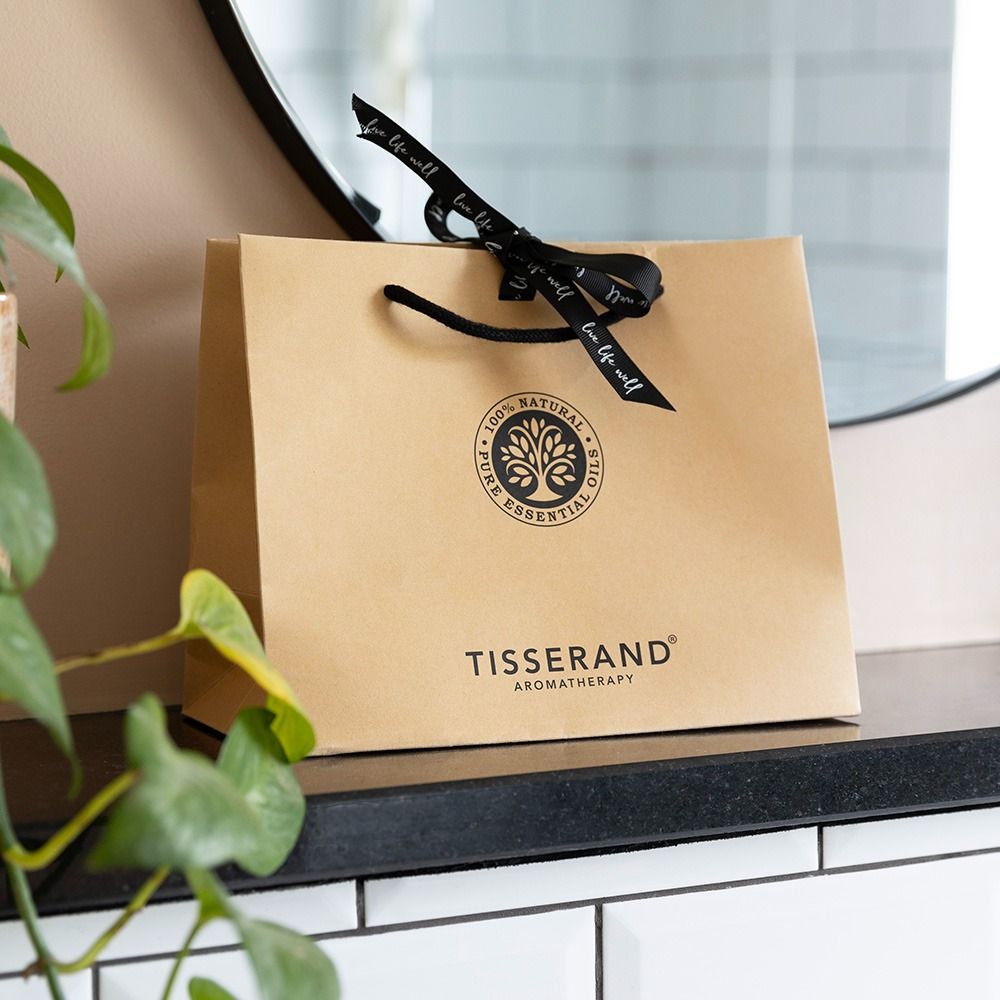
Designing For Luxury Cosmetics
Gift bags for luxury cosmetics may need to accommodate:
- Small products with significant weight.
- Glass bottles.
- Fragrance.
- Gift sets.
- Protective inserts.
- Tissue.
- Samples.
- Printed product information.
Consider:
- Base strength.
- Handle security.
- Bag depth.
- Internal movement.
- Protection from impact.
- Product orientation.
- Whether the bag will be used at a counter or shipped inside another pack.
- Whether fragrance or cosmetic residue could mark the surface.
A small bag can still carry a relatively heavy product. Test the complete filled bag rather than approving the material from appearance alone.
Designing For Fashion And Apparel
Fashion bags may need:
- Wider gussets.
- Greater height.
- More generous handle drops.
- Space for tissue.
- Resistance to creasing.
- Comfortable carrying.
- Efficient flat storage.
Review how the bag performs with:
- Folded garments.
- Accessories.
- Multiple-item purchases.
- Seasonal gifting.
- Returns or exchanges.
- Retail queue volumes.
Larger bags create bigger branding areas, but they also make poor proportions and handle clash more visible.
Designing For Jewellery
Jewellery gift bags are often smaller and may need to carry:
- Rigid boxes.
- Pouches.
- Care cards.
- Receipts.
- Certificates.
- Small gifting messages.
Premium impact may come from:
- Precise proportions.
- A restrained logo.
- A tactile paper.
- A fine handle.
- A carefully selected foil.
- A contrasting interior.
A smaller format gives artwork less room to recover from poor placement. Safe areas and handle positions become especially important.
Branded Gift Bags And Unboxing Experiences
Gift bags may sit outside the traditional e-commerce box, but they still shape unboxing experiences.
The customer may:
- Receive the bag.
- Notice the colour and logo.
- Touch the handles and material.
- Open the top.
- Move tissue or ribbon.
- Reveal the product.
- Remove product packaging.
- Keep, reuse, or dispose of the bag.
Each stage contributes to the overall impression.
Impactful gift packaging ideas should connect these moments.
For example:
- The handle may match the ribbon inside.
- The gusset colour may appear again on a product card.
- The front logo may echo the box finish.
- A message inside the bag may reward opening.
- The bag may include simple reuse guidance.
The sequence should feel connected without every component repeating the same design.
Making Gift Bags More Photographable
A photogenic bag should still work as a bag.
Review:
- Logo visibility while carried.
- Reflections from gloss or foil.
- Handle shadows.
- Gusset colour at a three-quarter angle.
- How the bag sits when filled.
- Whether the base remains flat.
- How tissue appears at the opening.
- Whether the main message is readable on a mobile screen.
- Whether the bag looks balanced beside the product.
Use authentic photography showing the assembled bag at realistic scale.
Helpful image types include:
- Front view.
- Three-quarter view.
- Side-gusset view.
- Carried view.
- Filled interior.
- Material close-up.
- Handle detail.
- Bag beside the product.
- Seasonal grouping.
Avoid relying entirely on perfect mock-ups. Customers receive constructed packaging, not a flat render floating in immaculate lighting.
Corporate Goodie Bags And Brand Events
Corporate goodie bags may need to carry several products, printed materials, and promotional items.
Priorities can include:
- Fast filling.
- Clear event branding.
- Reliable handles.
- Suitable capacity.
- Easy distribution.
- Consistent appearance.
- Practical storage.
- Post-event reuse.
Before production, test:
- The full item mix.
- Weight distribution.
- Handle comfort.
- Packing time.
- Bag stability.
- Whether items distort the side panels.
- Whether the logo remains visible when filled.
- Whether variations need separate identification.
A premium event bag should feel generous without becoming difficult to carry or unnecessarily oversized.
Balancing Presentation With Operational Efficiency
C-suite executives reviewing packaging strategy need more than a beautiful sample.
The bag must also work across:
- Procurement.
- Supplier lead times.
- Print approval.
- Storage.
- Shipping.
- Retail distribution.
- Filling.
- Staff training.
- Seasonal volume.
- Quality control.
- Reordering.
- End-of-life communication.
Operational questions include:
- How are bags delivered and packed?
- How much warehouse space do they require?
- Are handles supplied attached?
- Do the bags arrive folded consistently?
- How quickly can teams fill them?
- Are several sizes easy to distinguish?
- Can seasonal variations share a common specification?
- How are damaged bags identified?
- Can the supplier scale during peaks?
- What is the minimum order quantity?
- How are repeat colours and finishes controlled?
A bag that takes too long to open, sticks together, or arrives with tangled handles can slow a busy retail or gifting operation.
Luxury should feel effortless to the customer. It still needs discipline behind the scenes.
Seasonal Packaging Strategy
Seasonal cycles create both creative opportunities and stock risks.
Before producing seasonal customised gift bags:
- Confirm campaign dates.
- Forecast quantities.
- Review regional demand.
- Set artwork approval deadlines.
- Confirm supplier capacity.
- Check handle and material availability.
- Plan delivery windows.
- Record minimum quantities.
- Assess leftover-stock risk.
- Decide whether the bag can remain relevant beyond the campaign.
- Approve a backup specification.
- Coordinate photography and launch assets.
Where possible, consider:
- A core branded bag with seasonal tissue.
- A reusable campaign tag.
- A limited-edition ribbon.
- A removable sticker.
- A variable insert.
This may allow the main bag to remain useful for longer while still creating a seasonal moment.
Sustainability Commitments And Gift Bags
Sustainability commitments should be built into the specification and supported by evidence.
Ask suppliers for details about:
- Paper composition.
- Recycled content, including the stated percentage.
- FSC-certified options.
- Handle material.
- Reinforcement board.
- Coatings.
- Lamination.
- Foil.
- Adhesives.
- Inks.
- Recyclability.
- Component separation.
- Production waste.
- Minimum order quantities.
- Packaging and transport format.
- Supplier certifications.
Use clear, supportable wording such as:
- Recyclable.
- Made with a stated percentage of recycled content.
- FSC-certified options available.
- Plastic-free options available.
- Responsibly sourced.
Avoid unsupported terms such as:
- 100% sustainable.
- Zero-waste.
- Planet-saving.
- Completely eco-friendly.
- Carbon-neutral, unless formally certified.
A paper bag is not automatically a complete sustainability strategy. Handles, reinforcements, finishes, coatings, quantities, and disposal guidance all matter.
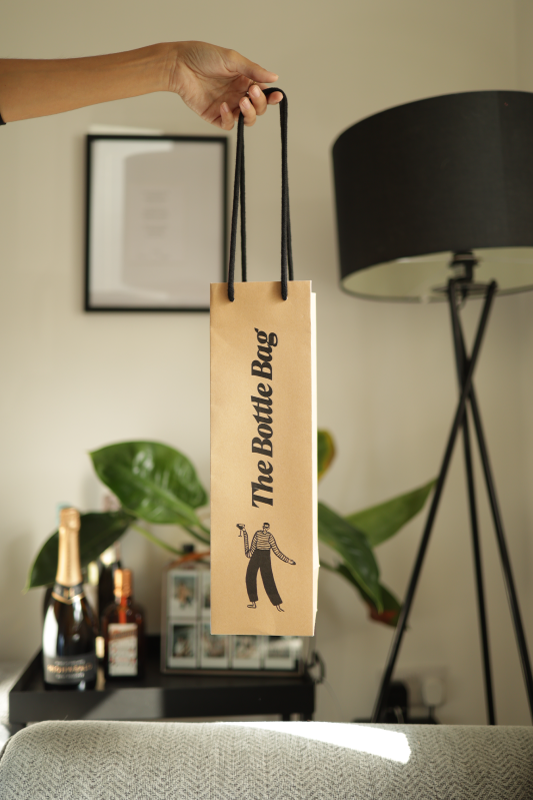
Designing For Reuse
A gift bag is more likely to be reused when it is:
- Strong enough.
- Easy to store.
- Visually appealing.
- Not tied too closely to one date or event.
- Suitable for another gift.
- Comfortable to carry.
- Free from unnecessary personal data.
- Easy to fold or keep.
Reuse messaging may be placed:
- Inside the bag.
- On a tag.
- Near the base.
- On a removable label.
- On a QR-linked guidance page.
The message should be realistic.
For example:
Keep this bag for gifting, storage, or its next very good outing.
Only make reuse claims that match the bag’s actual durability and design.
Assessing Cost And Profitability
The brief does not provide verified profitability figures, so business impact should be evaluated through the full packaging process.
Consider:
- Unit cost.
- Tooling.
- Print colours.
- Finishes.
- Handles.
- Reinforcement.
- Sampling.
- Minimum quantities.
- Storage.
- Distribution.
- Filling time.
- Damage rates.
- Leftover seasonal stock.
- Supplier changes.
- Customer feedback.
- Reuse potential.
Thoughtful packaging design may support profitability by:
- Reducing unnecessary material.
- Limiting rework.
- Improving packing efficiency.
- Reducing damaged bags.
- Standardising sizes.
- Extending a design across several channels.
- Managing seasonal stock more carefully.
- Strengthening perceived presentation quality.
These effects should be measured rather than assumed.
The most expensive bag is not automatically the most effective. The least expensive bag can become costly when it fails in use.
Measuring Gift Bag Performance
Useful measures may include:
- Damage rate.
- Handle failures.
- Filling time.
- Storage volume.
- Packing waste.
- Reorder consistency.
- Seasonal surplus.
- Customer feedback.
- Retail team feedback.
- Reuse-related engagement.
- Social content featuring the bag.
- Cost per completed pack.
- Complaints about size or handling.
Where possible, compare the existing and proposed bag under similar conditions.
A design review should include creative, procurement, retail, fulfilment, and sustainability teams. Each sees a different part of the bag’s performance.
Evaluating Packaging Suppliers
A suitable supplier should understand the relationship between design ambition and production reality.
Ask:
- Which materials suit the required appearance and product weight?
- How will handles affect the safe print area?
- Can you supply an accurate dieline?
- What print tolerances apply?
- Can we review an assembled sample?
- How are colours approved?
- Which finishes perform well near folds?
- What are the minimum order quantities?
- Can you support peak-season demand?
- How are repeat orders controlled?
- What sustainability evidence is available?
- Can components be substituted?
- How will changes be communicated?
- How are bags packed for delivery?
- What quality checks cover handles, construction, and print?
A strong supplier should identify potential problems before production.
“We can print your logo there” is not the same as “your logo will still read clearly when the bag is carried”.
A Branded Gift Bag Development Process
Use this step-by-step approach.
- Define the bag’s role. Retail, gifting, events, e-commerce, or several channels.
- Confirm the product mix. Size, quantity, weight, and protective packaging.
- Select initial dimensions. Include tissue, inserts, and handling space.
- Map the construction. Mark gussets, folds, turnover, base, glue areas, and handle positions.
- Create panel grids. Separate primary and supporting branding areas.
- Place the handles. Show their full drop and movement.
- Develop the artwork. Protect the main focal point from folds and handle clash.
- Select materials and finishes. Review appearance, performance, and evidence.
- Build an assembled sample. Do not approve the bag from a flat proof alone.
- Fill and carry the sample. Use the intended products and realistic weight.
- Photograph the bag. Review front, side, carried, and opened views.
- Test operational handling. Include storage, opening, filling, and distribution.
- Confirm sustainability claims. Match every statement to supporting evidence.
- Record the specification. Save the material, print, handle, dimensions, and approved sample.
- Run production checks. Compare delivered bags with the agreed standard.
This process helps create custom bags for business that look right and work properly.
Impactful Branded Gift Bag Checklist
Before approving production, confirm that:
- The bag dimensions suit the product.
- Product weight has been tested.
- The front-panel grid is clearly defined.
- Gusset artwork remains readable.
- Fold and construction areas are marked.
- The logo avoids handle clash.
- Handle movement has been tested.
- Knots and fixing points do not cover artwork.
- The bag looks balanced when filled.
- The base remains stable.
- Print and finishes suit the selected material.
- Colour has been approved physically.
- The handle colour matches the wider packaging system.
- The bag is efficient to store and fill.
- Seasonal quantities and lead times are confirmed.
- Sustainability claims are supported.
- Reuse guidance is realistic.
- The completed bag has been photographed.
- Retail or packing teams have reviewed the sample.
- The approved specification is saved for repeat production.
Make The First Impression Carry Further
The best branded gift bags make an impact before the product is opened and continue working long after the handover.
Clear panel grids, carefully planned gussets, well-positioned handles, suitable materials, and evidence-led sustainability choices can turn a simple carrier into a strong brand moment.
When every detail is tested on the assembled and filled bag, luxury brands can create packaging that looks unmistakable, performs efficiently, and feels worth keeping.
Explore Branded Gift Bags And Packaging Options
FAQs
How Do Branded Gift Bags Enhance The Unboxing Experience?
Branded gift bags create a visual and tactile introduction before the product is revealed. Colour, material, handles, print, and structure can make the handover feel more considered and connect the bag with the packaging inside.
What Are The Key Elements Of Intelligent Gift Bag Design?
Key elements include suitable dimensions, front-panel and gusset grids, clear safe areas, well-positioned handles, appropriate materials, and a structure tested with the intended product. The design should work when flat, filled, carried, opened, and photographed.
How Can Luxury Brands Avoid Handle Clash?
Show the handle holes, knots, fixing areas, full drop, and natural movement on the artwork template. Keep essential branding clear of those areas, then test an assembled and filled sample while it is being carried.
What Packaging Challenges Do C-Suite Executives Face?
Typical challenges include balancing premium presentation with cost, supplier capacity, seasonal timing, sustainability evidence, consistency across markets, storage, and retail efficiency. The final specification must work across the complete supply chain.
How Does Packaging Design Affect Brand Desirability?
Packaging design influences the first physical impression of the purchase. A well-proportioned, clearly branded, and carefully finished gift bag can reinforce quality, while awkward handles, weak construction, or crowded artwork may reduce the intended effect.
What Sustainable Practices Can Be Used In Gift Bag Production?
Brands can assess recycled content, FSC-certified options, handle materials, coatings, finishes, order quantities, recyclability, and reuse potential. All claims should be specific and supported by supplier documentation.
How Can Thoughtful Gift Bag Design Support Profitability?
A suitable design may reduce damage, simplify filling, standardise formats, manage seasonal stock, and strengthen presentation. These benefits should be measured through operational and commercial data rather than assumed.
What Materials Are Best For High-Impact Gift Bags?
The best material depends on product weight, dimensions, print, finish, storage, handling, and sustainability requirements. Physical samples and filled-bag testing are more reliable than choosing by board description alone.
How Do Gusset And Front-Panel Grids Support Branding?
The front-panel grid protects the main focal point, while the gusset grid controls supporting artwork around folds and expansion areas. Together, they help branding remain balanced after the bag is assembled and filled.
What Are Examples Of Successful Luxury Gift Bag Campaigns?
The supplied brief does not include verified campaign case studies. Brands reviewing examples should look for evidence of clear brand recognition, functional handle placement, consistent production, customer response, and measurable operational performance.