




















 Consultations
 Box Finder
 Help Centre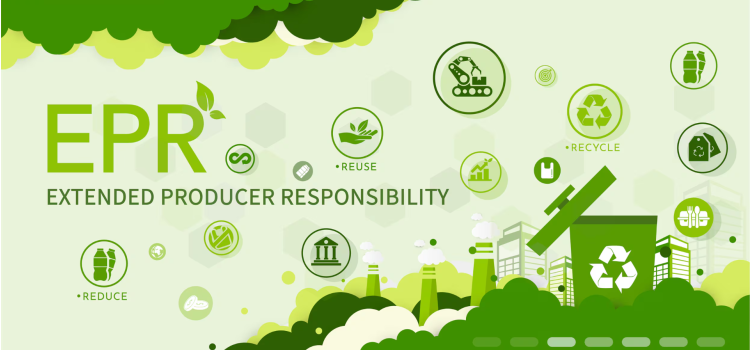



EPR Legislation In The UK: What It Means For Your Packaging
Packaging has always had a job to do. It protects your product, carries your brand, creates that all-important first impression, and, when done beautifully, turns an order into an experience.
Now, it also comes with a little more admin.
Extended Producer Responsibility, usually shortened to EPR, is changing how UK businesses think about packaging. The aim is simple enough: businesses that place packaging on the UK market may need to take more responsibility for what happens to that packaging after it has been used.
The details, however, can feel less simple. Thresholds, packaging classes, reporting periods, nation data, RAM ratings, PRNs. There’s a lot of terminology for something that often starts with a box, a bag, or a mailer.
This guide breaks down what EPR does, who it may affect, what information you may need to collect, and how to start preparing your packaging records with confidence.
Please note: This article provides general information only and is not legal, tax or regulatory advice. Businesses should consult the official GOV.UK EPR guidance or a qualified compliance adviser regarding their own obligations. EPR rules can change, so always check the latest official guidance or speak to a qualified compliance scheme if you’re unsure.
Need packaging that feels considered from the first touch?

What Is EPR Packaging Legislation?
EPR stands for Extended Producer Responsibility.
In plain English, it means that businesses responsible for packaging may need to help cover the cost of dealing with packaging waste. This includes reporting packaging data and, for some larger organisations, paying fees based on the packaging they place on the UK market.
According to GOV.UK’s EPR guidance, the way UK organisations responsible for packaging carry out their recycling responsibilities has changed. If your business is affected, you may need to report packaging data and pay fees based on that data.
The legislation is intended to encourage packaging that is easier to recycle, alongside improved reporting and greater transparency.
In other words, your packaging still needs to look beautiful. It just needs to bring its paperwork with it.
Why Does EPR Matter For Businesses?
EPR matters because packaging is no longer just a purchasing decision. For affected businesses, it can become a reporting, compliance, and cost-planning decision too.
Depending on your business size and packaging activity, EPR may affect:
- What packaging data you need to collect.
- How often you need to report packaging data.
- Whether you need to register with the relevant environmental regulator.
- Whether you need to pay fees.
- Whether you need to assess how recyclable your packaging is.
- How you brief suppliers, manufacturers, and fulfilment partners.
GOV.UK states that affected organisations may need to collect and report data, pay waste disposal fees, pay scheme administrator costs, pay charges to the environmental regulator, obtain PRNs or PERNs, and report nation data, depending on their producer status and activities.
For many brands, this means keeping clearer records of the packaging they use, including material type, weight, packaging class, and how the packaging is supplied.
This does not mean packaging has to become plain, cold, or purely functional. Many businesses are now aiming to balance brand experience, product protection, customer presentation, and responsible material choices.
That’s the sweet spot.
Does EPR Apply To My Business?
EPR may apply if your organisation imports or supplies packaging in the UK and meets certain turnover and tonnage thresholds.
According to GOV.UK guidance on who is affected, you may need to collect and report packaging data for a given year if all of the following apply:
- You’re an individual business, subsidiary, or group.
- You have an annual turnover of £1 million or more.
- You were responsible for importing or supplying more than 25 tonnes of packaging to the UK market in the previous calendar year.
- You carry out one or more packaging activities covered by the regulations.
Packaging activities can include:
- Supplying packaged goods to the UK market under your own brand.
- Placing goods into packaging.
- Importing products in packaging.
- Supplying empty packaging.
- Hiring or loaning reusable packaging.
- Owning an online marketplace where non-UK businesses sell goods into the UK.
This means EPR can apply to a wide range of businesses, from product brands and retailers to importers, packaging suppliers, and marketplace operators.
If you’re a smaller business below the turnover or packaging weight thresholds, you may not need to act under EPR. However, it’s still worth understanding the rules, especially if your business is growing, your order volumes are increasing, or you’re starting to sell through new channels.
Small Producers And Large Producers: What Is The Difference?
EPR separates affected organisations into small producers and large producers. This matters because your producer status affects what you may need to collect, report, register for, and pay.
Small Producers:
A small producer is generally an organisation that meets one of the following conditions:
- Annual turnover of more than £1 million and up to £2 million, and supplies more than 25 tonnes of packaging in the UK.
- Annual turnover of more than £1 million, and supplies more than 25 tonnes but no more than 50 tonnes of packaging in the UK.
GOV.UK’s small producer guidance explains that small producers may need to register with the regulator, pay a fee, and collect and report packaging data.
Small producers usually report data yearly. GOV.UK states that small producers must report data about packaging supplied in the previous calendar year by 1st April of the following year. For example, packaging data for January to December 2025 must be reported by 1st April 2026.
Large Producers:
A large producer is generally an organisation that has:
- Annual turnover of £2 million or more.
- Responsibility for supplying or importing more than 50 tonnes of packaging in the UK.
Large producers have wider reporting responsibilities. GOV.UK’s reporting periods and deadlines guidance states that large producers must collect and submit packaging data every 6 months.
Large producers may also need to pay waste disposal fees, scheme administrator costs, regulator charges, and meet recycling obligations. GOV.UK’s recycling obligations and waste disposal fees guidance explains that large organisations must fund an equivalent amount of recycling by buying PRNs or PERNs, and that waste disposal fees apply to household packaging, commonly binned packaging, and glass household drinks containers.
Small Producer Vs Large Producer At A Glance
| Producer Type | Typical Threshold | Reporting Frequency | Potential Responsibilities |
|---|---|---|---|
| Small Producer | More than £1 million turnover and more than 25 tonnes of packaging, without meeting the large producer threshold. | Usually yearly. | Register, pay a fee, collect and report packaging data. |
| Large Producer | £2 million or more turnover and more than 50 tonnes of packaging supplied or imported in the UK. | Every 6 months. | Collect and report packaging data, register, pay relevant fees, meet recycling obligations, and assess recyclability where required. |
Use this as a guide only. Always check the latest official GOV.UK guidance for your own organisation.
Reviewing your packaging range?

What Counts As Packaging Under EPR?
Packaging is any material used to contain, protect, handle, deliver, or present goods.
That can include obvious items like boxes, bags, mailers, tissue paper, tape, product cartons, sleeves, labels, and inserts. It can also include packaging that is designed to be filled at the point of sale, such as a takeaway cup.
GOV.UK’s packaging data guidance also notes that packaging can make goods look appealing for sale and may display a company’s logo or brand.
This is an important point for brand-led businesses. Your branded box, luxury bag, or printed mailer is not just decoration. It’s part of your customer experience, and it may also form part of your packaging reporting.
Key Packaging Terms Explained
EPR uses specific packaging classes. These are worth getting familiar with, because they help determine how packaging is reported.
- Primary Packaging: Primary packaging is the packaging that contains a single sales unit for the final user. For example, a jewellery box, candle box, bottle box, or product carton.
- Secondary Packaging: Secondary packaging groups several sales units together. For example, a box that holds multiple individual product boxes.
- Shipment Packaging: Shipment packaging is used to send one or more items to a customer. For example, a postal box, mailing bag, or protective outer packaging used for delivery.
- Tertiary Packaging: Tertiary packaging is usually used for transport and handling between businesses. For example, pallet wrap, pallets, or bulk transit packaging.
- Household Packaging: Household packaging is packaging that is likely to be disposed of by a household or in a public bin. GOV.UK’s household and non-household packaging guidance states that primary and shipment packaging must be classed as household unless it meets specific conditions.
- Non-Household Packaging: Non-household packaging is packaging that is not expected to end up in household or public bins. GOV.UK guidance states that secondary and tertiary packaging must be classed as non-household.
Primary and shipment packaging can only be classed as non-household in specific circumstances. If you report primary or shipment packaging as non-household, you must be able to show sufficient evidence and keep that evidence for at least 7 years.
What Data Might You Need To Collect?
The exact data you need depends on whether you’re a small or large producer, and what packaging activities you carry out.
GOV.UK’s packaging data guidance states that affected organisations must collect and report data about packaging supplied within or to the UK market. The guidance also states that data and supporting evidence must be kept for at least 7 years.
In general, affected organisations may need to collect information about:
- Packaging activity, meaning how the packaging was supplied.
- Packaging type, such as household or non-household.
- Packaging class, such as primary, secondary, shipment, or tertiary.
- Packaging material.
- Packaging weight.
- Quantity of packaging supplied.
- Nation data, if relevant.
- Recyclability assessment data, if relevant.
Materials may include paper and board, fibre-based composite materials, plastic, steel, aluminium, glass, wood, and other material categories.
For practical purposes, this means businesses should start building a clear packaging record. A spreadsheet is often a sensible starting point.
You may want to record:
- Product or packaging SKU.
- Packaging item name.
- Supplier.
- Material.
- Weight in kilograms.
- Packaging class.
- Whether it’s used for retail, gifting, shipping, wholesale, or internal transport.
- Whether it’s branded or plain.
- Whether it’s supplied to a customer, retailer, distributor, or end user.
- Evidence for non-household classification, where applicable.
The earlier you build the habit, the less painful reporting becomes. Future-you will be very grateful.
Example Packaging Record
| Packaging Item | Material | Packaging Class | Weight | Used For |
|---|---|---|---|---|
| Postal box | Paper / board | Shipment | Record in kg | Sending ecommerce orders to customers. |
| Product gift box | Paper / board | Primary | Record in kg | Containing and presenting one sales unit. |
| Tissue paper | Paper | Primary or shipment, depending on use | Record in kg | Product presentation, protection, or reveal. |
| Outer transit carton | Corrugated board | Tertiary | Record in kg | Bulk transport between businesses. |
This is not a reporting template, but it shows the sort of information worth keeping close. Your actual reporting requirements will depend on your organisation and the packaging activities you carry out.
What Is Nation Data?
Nation data is information about where packaging is supplied in the UK and where it’s discarded.
GOV.UK explains that affected organisations must submit nation data if they carry out certain activities, including supplying filled or empty packaging directly to customers in the UK where they are the end user, supplying empty packaging to organisations that are not legally obligated or are small organisations, hiring or loaning reusable packaging, owning certain online marketplaces, or importing packaged goods for their own use and discarding the packaging.
You can read the full criteria in the official GOV.UK packaging data guidance.
What Is RAM And Why Does Recyclability Matter?
RAM stands for Recyclability Assessment Methodology.
It’s the system used to assess the recyclability of certain packaging. GOV.UK’s RAM guidance states that only large producers must collect and report recyclability assessment data. It applies to household packaging, packaging that commonly ends up in public bins, and household drinks containers made of glass.
Under the Recyclability Assessment Methodology, relevant packaging is assessed against criteria that determine a Red, Amber or Green rating. That rating affects the disposal fee charged for that packaging. This is known as fee modulation.
In simple terms, packaging that is assessed as being more recyclable is intended to attract lower disposal fee modulation than packaging that’s harder to recycle.
This is why material choices matter. Paper and board packaging, plastic windows, laminations, mixed materials, coatings, ribbons, magnets, foils, and inserts can all affect how a packaging item is assessed.
That does not mean every beautiful finish has to disappear. It means businesses need to understand what their packaging is made from and make more informed choices.
For example:
- Can the amount of packaging be reduced without damaging the unboxing experience?
- Can you choose a widely recyclable board?
- Can you avoid unnecessary mixed materials?
- Can you keep premium details, but use them with more intention?
- Can you ask your packaging supplier for material details and weights?
Good packaging should still feel elevated. The difference is that it should also be easier to explain.

What Actions Should Businesses Take?
If you think EPR may apply to your business, start with these steps:
1. Check Whether You Meet The Thresholds.
Look at your annual turnover and the total weight of packaging you supplied or imported in the relevant previous calendar year.
Remember, if your business is part of a group, you may need to consider group-level turnover and packaging weight, not just one individual company. GOV.UK’s guidance explains how parent companies, groups, and subsidiaries should approach EPR reporting.
2. Identify Your Packaging Activities.
Work out how your business handles packaging. Do you sell products under your own brand? Import goods in packaging? Fill packaging? Supply empty packaging? Run an online marketplace?
Your activity affects what you may be responsible for. The official GOV.UK packaging activities section is a useful place to check this.
3. Build A Packaging Data Record.
Create a central record of the packaging your business uses or supplies. Include material, weight, class, quantity, and supplier information.
If you do not know the packaging weight or material composition, ask your supplier. This is especially important if you use multiple components, such as boxes, tissue, stickers, inserts, bags, ribbons, and mailing cartons.
For more detail on what to collect, use GOV.UK’s packaging data collection guidance.
4. Decide Whether Packaging Is Household Or Non-Household.
For large producers, household and non-household classification matters. Most primary and shipment packaging is classed as household unless it meets specific conditions.
If you classify primary or shipment packaging as non-household, you must be able to evidence why. GOV.UK’s household and non-household packaging guidance explains what counts and what evidence may be needed.
5. Check Your Reporting Deadlines.
Large producers generally report packaging data every 6 months. Small producers report yearly.
Current reporting periods and deadlines are explained in GOV.UK’s packaging data deadlines guidance. Because deadlines can change, it’s worth checking the latest version before each reporting period.
6. Register If You Need To.
If your organisation is obligated, you may need to create an account through the Report Packaging Data service and register with the relevant environmental regulator.
GOV.UK’s registration guidance explains that obligated organisations must register with the environmental regulator and pay a registration fee.
7. Consider Whether You Need A Compliance Scheme.
A compliance scheme is a third party that can help with EPR requirements. It may be able to register your organisation, submit packaging data, and help with PRNs or PERNs.
GOV.UK’s EPR guidance collection includes a section on compliance schemes and public registers. Always check that any scheme you use appears on the official register.
8. Review Your Packaging Choices.
EPR is a good moment to look at your packaging with fresh eyes.
Ask:
- Is every component needed?
- Does each layer add protection, presentation, or brand value?
- Are materials easy to identify?
- Could you reduce packaging weight?
- Could you switch to a more widely recyclable option?
- Could branded packaging help your product feel more premium without adding unnecessary layers?
Packaging should never be an afterthought. Under EPR, it pays to make it considered from the start.
Want to make every layer work harder?
How Tiny Box Company Can Help You Make More Considered Packaging Choices
At Tiny Box Company, we believe packaging is part of the brand experience. It’s the first thing your customer sees, touches, opens, and remembers.
But beautiful packaging should also be practical, carefully chosen, and easier to understand.
When you’re reviewing packaging for EPR, it helps to think about three things:
- Material: Know what your packaging is made from. Look for clear material information and avoid making sustainability claims unless you can support them.
- Weight: Packaging weight matters for reporting. If you’re comparing options, lighter packaging may help reduce the total packaging weight your business places on the market.
- Purpose: Every packaging layer should earn its place. A postal box protects. Tissue creates a reveal. Ribbon adds a finishing moment. A branded sticker seals the experience.
The goal is not to strip everything back until it feels forgettable. The goal is to choose with intention.
A polished packaging experience can still support responsible packaging choices. It just needs to be designed with both the customer and the compliance spreadsheet in mind.
Where To Find Further EPR Guidance
For the most accurate and current information, use official sources first.
Useful places to start include:
- GOV.UK: Extended Producer Responsibility For Packaging
- GOV.UK: Who Is Affected And What To Do
- GOV.UK: What Small Producers Must Do
- GOV.UK: Packaging Data To Collect
- GOV.UK: Reporting Periods And Submission Deadlines
- GOV.UK: Household And Non-Household Packaging
- GOV.UK: Recyclability Assessment Methodology
- GOV.UK: Report Packaging Data
- PackUK, the scheme administrator for the UK’s packaging EPR programme
- The Producer Responsibility Obligations (Packaging And Packaging Waste) Regulations 2024
Because EPR guidance is updated regularly, it’s worth checking GOV.UK before each reporting period.
Final Thought
EPR may add another layer to packaging planning, but it does not take away the value of a beautiful unboxing experience.
Your packaging can still feel premium, considered, and completely on-brand. The key is knowing what you use, why you use it, and how it performs after your customer has opened it.
Because the best packaging does more than protect a product. It protects the first impression too.
Ready to make packaging feel more considered?