















 Consultations
 Box Finder
 Help Centre


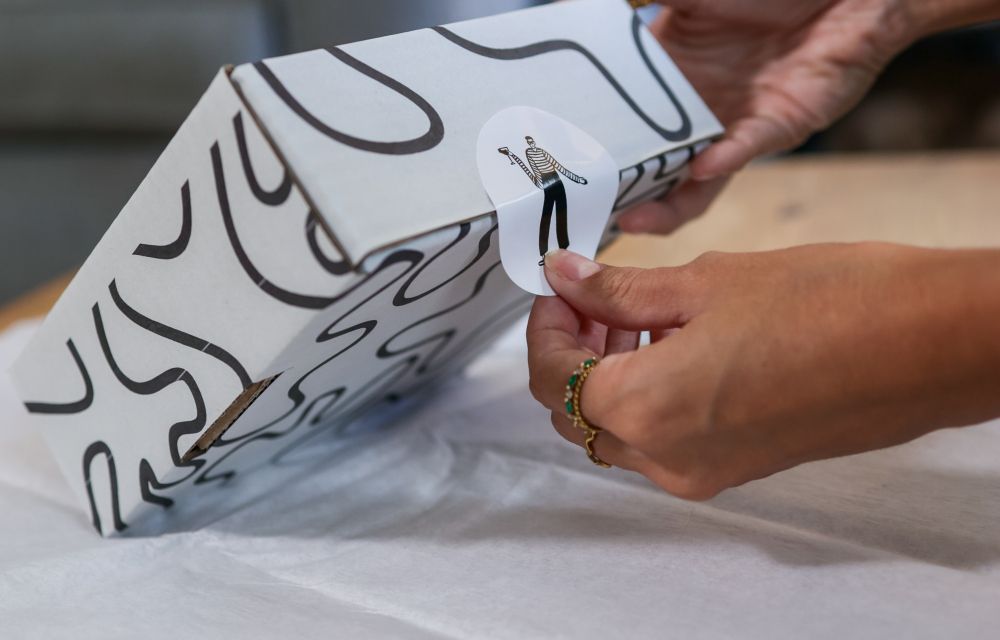
Essential Guide To Stickers For Kraft And Laminate Surfaces
A sticker may be one of the smallest parts of your packaging, but when it lifts, tears, wrinkles, or refuses to stay put, it becomes very noticeable indeed.
Choosing the right stickers for kraft and laminate surfaces means looking beyond colour, shape, and artwork. The surface texture, adhesive, application pressure, storage conditions, packing speed, and opening experience all affect how well the sticker performs.
For e-commerce operations managers, the goal is simple: labels that apply quickly, stay secure through fulfilment and delivery, and open cleanly when they reach the customer.
Achieving that goal takes testing, not guesswork.
Get started with packaging accessories.
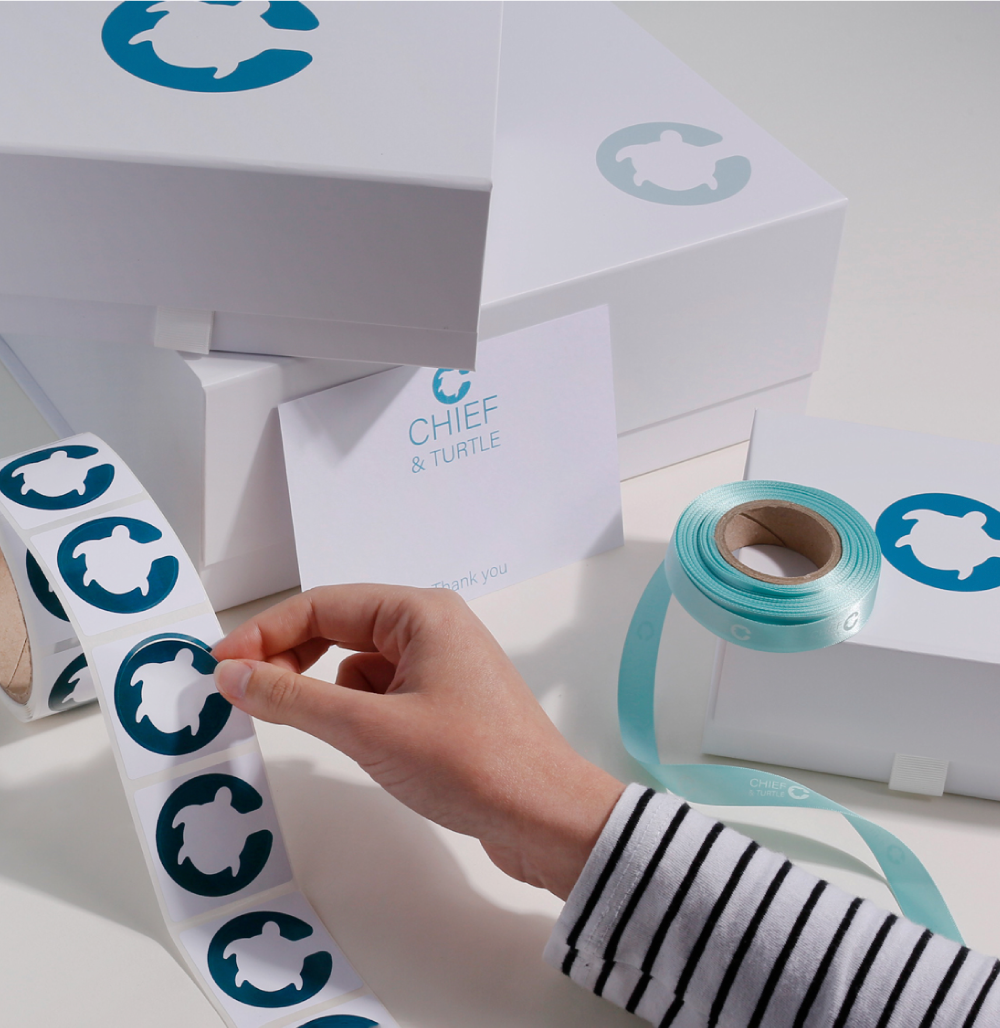
What Are Stickers For Kraft And Laminate Surfaces?
Stickers for kraft and laminate surfaces are adhesive labels selected and tested to perform reliably on either textured, absorbent kraft packaging or smoother, less absorbent laminated packaging.
Kraft and laminate behave differently. Kraft may be fibrous, textured, or dusty, while laminate is often smoother and less porous. An adhesive that performs well on one surface may not deliver the same result on the other.
The best stickers for packaging are therefore chosen using the actual packaging material, under realistic packing and storage conditions.
Why Surface Type Changes Sticker Performance
Adhesion depends on how effectively the sticker makes contact with the packaging surface.
A smooth surface usually gives the adhesive a more even contact area. A textured surface contains small peaks and gaps, meaning the adhesive may only touch part of the material.
This can affect:
- Initial grip.
- Edge lifting.
- Long-term adhesion.
- Application speed.
- Removal behaviour.
- Resistance to handling.
- Performance in changing temperatures.
- The quality of the finished presentation.
Packaging may look flat from a distance, but an adhesive notices every fibre, finish, and fold.
How Stickers Behave On Kraft Packaging
Kraft packaging is popular for its natural appearance and versatility, but its surface can present specific adhesive challenges.
Depending on the material, kraft may be:
- Textured.
- Fibrous.
- Uncoated.
- Slightly dusty.
- Absorbent.
- Uneven around folds or joins.
Durable stickers for kraft surfaces generally need enough initial grip to make contact across the texture. The sticker should also be applied with consistent pressure so the adhesive reaches as much of the surface as possible.
Potential problems include:
- Corners lifting after application.
- Labels releasing during storage or delivery.
- Poor adhesion over folds.
- Visible bubbles or uneven edges.
- Inconsistent results between batches of packaging.
A kraft sticker adhesive should always be tested on the exact box, bag, wrap, or card being used. Testing on a generic sheet of kraft paper may not reflect the coating, texture, or storage conditions of the final pack.
How Stickers Behave On Laminated Packaging
Laminated packaging usually has a smoother, sealed surface. This can support clean application, but it does not guarantee reliable adhesion.
Different laminates may vary in:
- Surface energy.
- Gloss level.
- Texture.
- Coating.
- Resistance to moisture.
- Slip or release properties.
- Compatibility with particular adhesives.
Laminate-compatible stickers should lie flat without sliding, wrinkling, or lifting at the edges.
Potential problems include:
- Weak initial tack.
- Stickers moving during application.
- Adhesive failing to bond with the coating.
- Residue remaining after opening.
- Surface damage when the sticker is removed.
- Labels lifting in colder storage conditions.
A smooth surface can look easy. The adhesive may have other opinions.
Kraft And Laminate Sticker Adhesive Comparison
There is no universal adhesive that will perform perfectly across every packaging finish.
When comparing adhesive labels for kraft and laminate, review the following factors.
Initial Tack
Initial tack is the adhesive’s first grip when the sticker is applied.
In high-volume fulfilment, the sticker needs to hold quickly enough that packers are not pressing, rubbing, or reapplying each label. Weak initial tack can slow the line and create inconsistent presentation.
Final Adhesion
Some adhesives build strength after application. A sticker that feels secure immediately may behave differently after several hours, while another may require time to reach its intended bond.
Testing should therefore include both immediate and delayed checks.
Permanent Or Removable Performance
A permanent adhesive is designed to remain secure, while a removable adhesive is intended to release more easily.
The right option depends on the sticker’s job.
A label used for shipping information may need different performance from a branded seal designed to support a clean opening.
Surface Compatibility
A strong adhesive is not automatically the best adhesive.
An unsuitable adhesive may:
- Damage the packaging.
- Tear the kraft surface.
- Leave residue on laminate.
- Make the pack difficult to open.
- Affect recyclability or material separation.
- Create unnecessary frustration for the customer.
The best choice provides enough grip for the journey without overpowering the packaging.
How To Run A Quick Tack Test
Quick tack tests for stickers help teams compare adhesive performance before committing to a larger order.
Use this practical process.
- Test the real packaging. Use the exact kraft or laminated material planned for production.
- Condition the samples. Allow stickers and packaging to reach the same working environment before testing.
- Apply consistently. Use the same position, pressure, and application method for each sample.
- Check immediate grip. Look for sliding, curling, bubbles, or edge lifting.
- Check after a set period. Review the sticker again after the adhesive has had time to build its bond.
- Handle the pack normally. Stack, move, open, and repack it as the fulfilment team would.
- Test the opening. Confirm whether the sticker releases, tears, or damages the surface as intended.
- Record the result. Photograph each test and note the material, adhesive, conditions, and outcome.
A quick test does not replace formal supplier testing, but it can reveal obvious problems early.
What To Include In A Sticker Tack Test
A useful test should assess more than whether the sticker is still attached.
Record:
- Packaging material and finish.
- Sticker material.
- Adhesive type or supplier reference.
- Application temperature.
- Storage temperature.
- Application pressure.
- Immediate edge adhesion.
- Adhesion after several hours.
- Adhesion after handling.
- Performance around folds or curves.
- Opening behaviour.
- Residue.
- Surface damage.
- Overall presentation.
Where seasonal conditions matter, include samples exposed to the relevant storage and delivery environment.
Packaging that performs beautifully in a warm office may behave differently in a cold warehouse or delivery van.

Best Practices For Applying Stickers To Kraft And Laminate
Even the right adhesive can fail when application is inconsistent.
For a seamless finish:
- Apply stickers to clean, dry packaging.
- Avoid dusty or damaged areas.
- Keep the label within a flat application zone.
- Do not place important edges directly over folds.
- Apply even pressure across the full sticker.
- Avoid touching the adhesive with fingers.
- Allow suitable bonding time before packing or transport.
- Keep stickers and packaging within the supplier’s recommended storage conditions.
- Train packing teams to use the same position and method.
- Use guides or fixtures where placement accuracy matters.
For high-volume sticker solutions, small inconsistencies can quickly become large ones. A placement guide that saves two seconds and prevents rework is often worth far more than it looks.
Designing For A Clean Opening
A sticker can secure a pack without turning the unboxing into a wrestling match.
Clean open sticker techniques depend on the packaging construction, sticker position, material strength, and adhesive performance.
Consider:
- Whether the sticker should peel away or tear.
- Whether opening should leave the box intact.
- Whether residue is acceptable.
- Whether the sticker forms part of a tamper-evident closure.
- Where the customer will naturally place their fingers.
- Whether the surface may tear during removal.
- Whether opening the pack could damage the printed design.
A closure sticker should make the opening route obvious. Customers should not need to search for scissors, attack the corners, or accidentally tear through the brand message.
Test the sticker on a fully assembled and filled pack. Empty packaging may flex differently and give a misleading result.
Matching Sticker Choice To Its Purpose
Not every e-commerce packaging sticker has the same job.
Brand Stickers
Brand stickers support recognition and presentation. They may appear on tissue, boxes, cards, or bags.
Priorities may include:
- Print quality.
- Colour consistency.
- Neat placement.
- Clean edges.
- Compatibility with the packaging finish.
Closure Stickers
Closure stickers help hold packaging shut.
Priorities may include:
- Reliable grip.
- Resistance to handling.
- Clean opening.
- Appropriate tamper evidence.
- Minimal residue.
Information Labels
Information labels may display product, handling, or fulfilment details.
Priorities may include:
- Legibility.
- Barcode or QR code quality.
- Reliable application.
- Consistent positioning.
- Compatibility with automated processes.
Promotional Stickers
Promotional stickers may highlight a campaign, offer, launch, or seasonal message.
Priorities may include:
- Fast artwork changes.
- Shorter production runs.
- Easy inventory separation.
- Strong visual impact.
- Compatibility with existing packaging.
Selecting the sticker by purpose helps prevent over-specifying one requirement while overlooking another.
If you are looking at printing on your labels, you might also want to check out our article on Print that stays readable on small labels.
Improving High-Volume Fulfilment Efficiency
In a busy fulfilment environment, sticker performance affects speed as well as presentation.
Poorly selected stickers can lead to:
- Packers reapplying labels.
- Backing sheets tearing awkwardly.
- Adhesive transferring to gloves or hands.
- Labels curling before application.
- Packs being removed from the line for rework.
- Different operators placing stickers inconsistently.
- Seasonal staff needing additional training.
- Complaints about opened or untidy packaging.
Efficient packing processes depend on repeatable materials and repeatable actions.
When evaluating stickers, include the packing team in the test. They can identify practical issues that may not appear during a desk-based review.
Ask them:
- Is the backing easy to remove?
- Can the sticker be positioned first time?
- Does it curl or fold?
- Is the label easy to pick up?
- Does application require additional pressure?
- Can placement remain consistent at speed?
- Does the finished pack stack and travel well?
The best procurement decision is not always the cheapest sticker per thousand. It is the option that performs reliably across purchasing, storage, packing, delivery, and opening.
Supporting Seasonal Demand
Seasonal peaks can expose small weaknesses in packaging processes.
A sticker solution that works during normal volumes may become difficult to manage when:
- More packers join the line.
- Multiple designs are active.
- Packaging is stored for longer.
- Materials arrive from several production batches.
- Fulfilment speeds increase.
- Stock is moved between locations.
- Temperature and humidity conditions change.
Before a peak period:
- Confirm available stock and lead times.
- Test every active packaging surface.
- Approve backup materials.
- Create clear SKU references.
- Separate similar sticker designs.
- Document application positions.
- Brief temporary and permanent packing teams.
- Keep approved samples beside the packing line.
- Agree a process for reporting failures.
High-volume sticker solutions should reduce decisions on the line, not create more of them.
How Stickers Enhance The Unboxing Experience
Premium unboxing experience stickers combine practical closure with considered branding.
The right sticker can:
- Create a clear opening point.
- Keep tissue or wraps neatly secured.
- Add a campaign message.
- Introduce a brand colour.
- Make standard packaging feel more tailored.
- Connect the outside of the pack with the contents inside.
- Reassure the customer that the order has been carefully finished.
The sticker should support the packaging rather than dominate it. A well-placed seal can create a moment of anticipation. An oversized, over-sticky label can create a moment of annoyance.
One is rather better for repeat orders.
Explore printed stickers to create a coordinated finish across boxes, bags, tissue, and inserts.
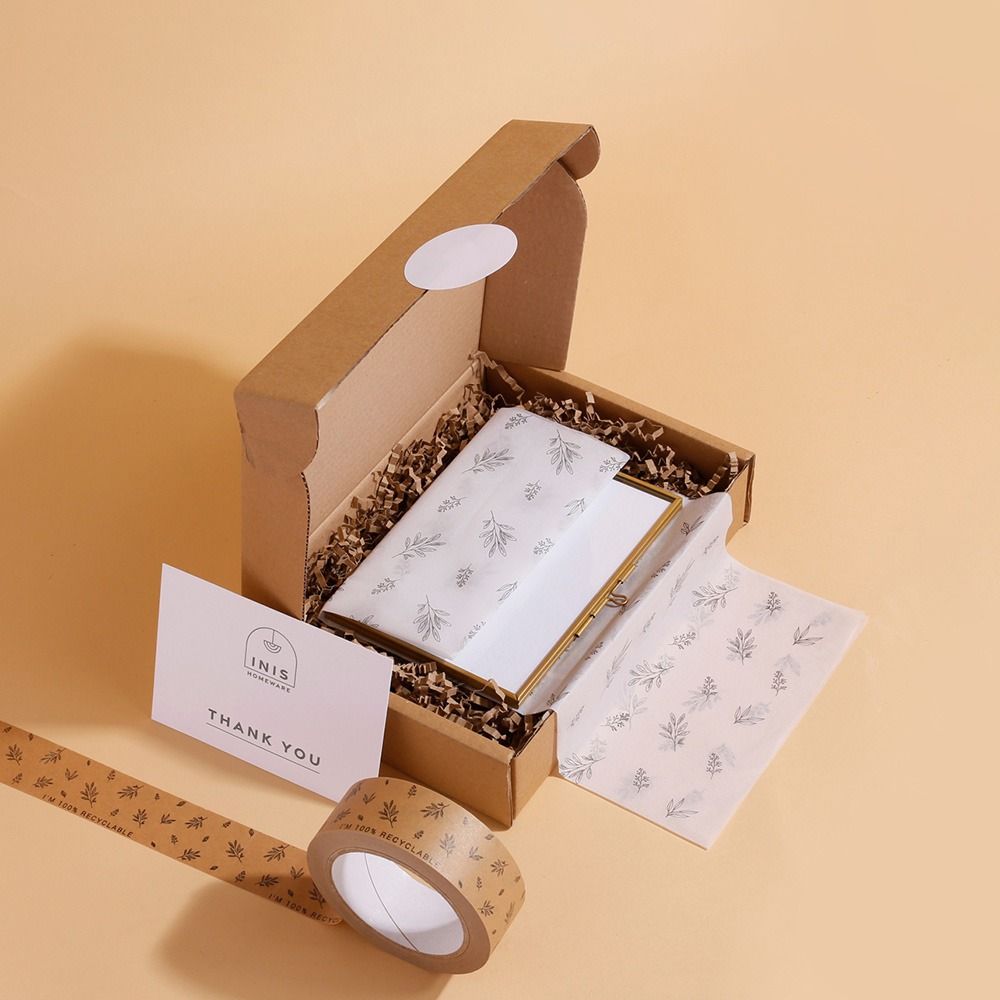
Sustainability And Adhesive Claims
Sustainable adhesive solutions should be evaluated using clear, specific information.
Ask suppliers for evidence covering:
- Sticker face material.
- Recycled content, including the percentage.
- Adhesive composition where relevant.
- Release liner material.
- Recyclability.
- Compostability claims and required conditions.
- Plastic-free options.
- FSC-certified paper options.
- Disposal guidance.
- Relevant certifications.
- Compatibility with the main packaging material.
Avoid unsupported claims such as “100% sustainable”, “zero-waste”, or “planet-saving”.
A stronger statement explains what the sticker is made from, what percentage is recycled, which component is certified, and how the sticker should be disposed of.
Also consider the complete packaging system. A paper sticker may still affect recycling if its adhesive, coating, or backing material is incompatible with the intended waste stream.
Sustainability should be documented, not decorated with a green leaf and left at that.
Packaging Procurement Best Practices
Reliable sticker procurement begins with a clear specification.
Include:
- Sticker dimensions.
- Shape.
- Face material.
- Adhesive reference.
- Packaging surface.
- Print specification.
- Roll or sheet format.
- Roll direction where relevant.
- Core size.
- Quantity per roll or sheet.
- Packing format.
- Application method.
- Storage requirements.
- Sustainability evidence.
- Approved sample reference.
- Delivery schedule.
- Reorder details.
When reviewing suppliers, ask:
- Have you tested this adhesive on our exact packaging?
- Can you provide samples?
- What conditions affect performance?
- How long does the adhesive take to reach its intended bond?
- Is the sticker suitable for hand or automated application?
- What storage conditions are required?
- What are the minimum order quantities?
- Can production scale for seasonal demand?
- What sustainability documentation is available?
- How are repeat orders controlled?
- What happens if the packaging material changes?
A reliable supplier should be able to explain why an option is suitable, not simply describe it as “strong”.
Common Sticker Problems And What To Check
The Sticker Lifts At The Corners
Check:
- Surface texture.
- Dust or fibres.
- Application pressure.
- Sticker shape.
- Storage temperature.
- Placement over folds.
- Whether the adhesive suits kraft.
The Sticker Slides On Laminate
Check:
- Initial tack.
- Surface coating.
- Application temperature.
- Whether the laminate has slip or release properties.
- Whether the adhesive is compatible with the finish.
The Kraft Tears During Opening
Check:
- Adhesive strength.
- Sticker size.
- Opening direction.
- Surface strength.
- Whether a removable adhesive would be more suitable.
- Whether the customer needs a pull tab or clearer opening point.
Residue Remains On Laminate
Check:
- Adhesive specification.
- Length of application.
- Storage temperature.
- Removal angle.
- Whether the label was intended to be removable.
Application Slows The Packing Line
Check:
- Backing format.
- Roll direction.
- Label curl.
- Sticker size.
- Positioning method.
- Whether the material is easy to handle while wearing gloves.
- Whether the packers have an approved placement guide.
Sticker Selection Checklist
Before placing a full order, confirm that:
- The exact kraft or laminate surface has been tested.
- The sticker grips securely after application.
- Edges remain flat after handling.
- The sticker performs after a suitable bonding period.
- Opening behaviour has been approved.
- The packaging is not unnecessarily damaged.
- Residue is within acceptable limits.
- Packers can apply the sticker quickly.
- Placement remains consistent at speed.
- The sticker suits storage and delivery conditions.
- Sustainability claims are supported by evidence.
- The approved specification is recorded.
- Seasonal quantities and lead times are confirmed.
- A physical sample is available for future comparison.
Choose A Sticker That Works From Packing Bench To Doorstep
The best stickers for kraft and laminate surfaces are not selected from appearance alone.
They are tested on the correct packaging, applied under realistic conditions, reviewed by the people using them, and checked for both secure delivery and clean opening.
That process protects presentation, improves packing efficiency, and turns a small adhesive detail into a more reliable brand experience.
Explore Printed Stickers And Packaging Accessories
FAQs
What Types Of Stickers Are Best For Kraft And Laminate Surfaces?
The best option depends on the exact material, finish, packaging design, and purpose of the sticker. Textured kraft may need an adhesive with stronger initial contact, while laminated surfaces require an adhesive compatible with the coating. Test samples on the real packaging before ordering.
How Do Adhesive Choices Impact Sticker Performance On Kraft And Laminate?
The adhesive affects initial grip, long-term hold, edge lifting, residue, and opening behaviour. A stronger adhesive is not always better, particularly where the customer needs to open the packaging cleanly.
What Are The Best Practices For Applying Stickers On Kraft And Laminate Materials?
Apply stickers to clean, dry, flat areas using consistent pressure. Avoid folds, dusty surfaces, and unnecessary contact with the adhesive. Allow time for the bond to develop before packing or transport.
How Can Quick Tack Tests Help In Selecting The Right Stickers?
Quick tack tests allow teams to compare immediate grip, delayed adhesion, handling performance, and clean opening. They help identify obvious compatibility problems before a larger production order is placed.
What Factors Should E-Commerce Managers Consider When Choosing Packaging Stickers?
Consider the packaging surface, sticker purpose, application method, storage conditions, fulfilment speed, opening experience, order volume, sustainability evidence, supplier reliability, and seasonal demand.
How Can The Right Stickers Enhance The Unboxing Experience?
A suitable sticker can keep packaging neat, create a clear opening point, and add a branded finishing detail. It should feel deliberate and easy to use rather than difficult to remove.
What Are The Benefits Of Sustainable Stickers For Kraft And Laminate Packaging?
Options with verified recycled content, responsible sourcing, or suitable disposal routes can support wider packaging goals. Claims should be assessed using material data, percentages, certifications, and disposal guidance.
How Do Different Adhesive Types Affect Clean Opening?
Permanent adhesives may provide a stronger bond but can tear packaging or leave residue. Removable options may open more cleanly but must still stay secure during fulfilment and delivery. Testing determines the right balance.
What Common Challenges Do E-Commerce Operations Face With Stickers?
Typical challenges include edge lifting, inconsistent application, slow backing removal, residue, stock complexity, seasonal supply pressure, and variable performance across different packaging materials.
How Can Sticker Solutions Improve Operational Efficiency?
Reliable stickers reduce rework, speed up application, improve placement consistency, and make training easier. Clear specifications and approved samples also support smoother reordering and inventory management.