



 Consultations
 Box Finder
 Help Centre



Enhancing Corporate Gifting With Sharp Ribbon Printing
Ribbon may be a small part of your packaging, but it often carries a big share of the branding.
A clear logo, confident colour, and well-spaced message can turn a simple box into a polished corporate gift. Blurred lettering, uneven placement, or an unsuitable print process can do the opposite.
Ribbon printing that stays sharp depends on more than uploading a logo and hoping for the best. The print technique, ribbon material, width, artwork, type size, bleed, colour matching, and sampling process all play a part.
For Corporate Brand and Gifting Managers, getting these details right helps create brand consistency across product launches, events, client gifts, employee packs, and marketing campaigns. It also reduces last-minute artwork changes, rejected samples, and delivery delays.
Need packaging accessories to get you started?
What Is Sharp Ribbon Printing?
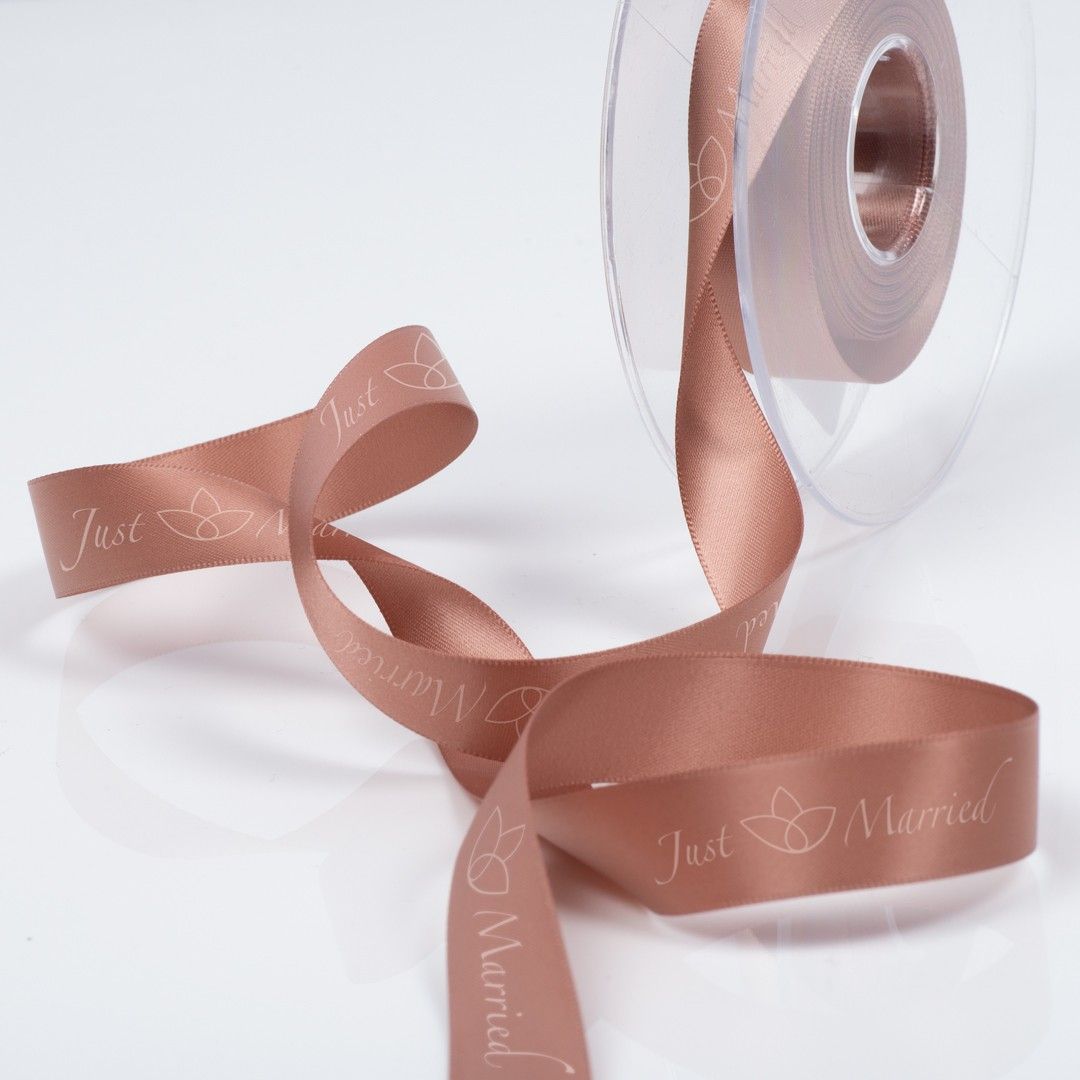
Sharp ribbon printing is the clear, consistent reproduction of text, logos, and decorative details on ribbon without blurred edges, lost detail, or uneven coverage.
The strongest results come from matching the artwork to the ribbon material and selecting a print process that suits the design. Type size, line thickness, colour contrast, print position, and bleed allowances should all be reviewed before production begins.
In other words, sharp print is not luck. It is good planning in a very stylish disguise.
Why Ribbon Clarity Matters For Corporate Gifting
Corporate packaging needs to look considered from every angle. Ribbon often sits across the most visible part of the pack, making it one of the first branded details a recipient notices.
High-quality ribbon printing can help you:
- Reinforce brand identity before the box is opened.
- Create a consistent look across multiple products or gift sizes.
- Make campaign messages feel more deliberate and premium.
- Add visual interest without redesigning the full packaging format.
- Support unboxing experience enhancement for clients, employees, and event guests.
- Turn practical packaging into something recipients may photograph, share, or keep.
A sharply printed ribbon can also connect different parts of a campaign. The same logo, colour palette, or message can appear across gift boxes, bags, inserts, and event displays without every element needing to be identical.
That is consistent branding with a bow on top. Quite literally.
Foil Screen Or Digital Ribbon Printing?
Foil screen and digital printing can both produce high-quality ribbon printing options, but they suit different designs and project requirements.
Foil Screen Printing
Foil screen printing is well suited to designs that need a bold, defined finish. It can be particularly effective for logos, short messages, repeating brand marks, and metallic details.
It may be a strong option when you need:
- A premium foil appearance.
- Solid, high-impact lettering.
- A simple logo or repeating design.
- Clear contrast between the print and ribbon colour.
- A consistent finish across a planned production run.
The artwork must still be suitable for the available ribbon width. Very fine lines, tightly spaced characters, and small details may need to be simplified to retain clarity.
Digital Printing
Digital printing can offer greater flexibility for detailed or multi-colour artwork. It may suit campaigns that use more complex graphics, varied colour combinations, or shorter sampling and production requirements.
It may be useful when you need:
- More detailed artwork.
- Multiple printed colours.
- Greater flexibility during the design stage.
- Rapid sampling before a larger order.
- A print approach suited to a specific campaign or seasonal design.
Digital printing is not automatically sharper than foil screen printing, and foil is not automatically more premium. The best process depends on the artwork, ribbon, colour, quantity, and intended result.
A knowledgeable supplier should explain the trade-offs clearly, rather than steering every design towards the same machine.
How To Select The Right Printing Technique
Use this simple process when comparing durable ribbon printing solutions:
- Start with the desired finish. Decide whether the ribbon needs to feel bold, metallic, understated, colourful, or highly detailed.
- Review the artwork. Check the logo, type, line thickness, spacing, and any small decorative elements.
- Confirm the ribbon material and width. Texture, flexibility, and available print area can affect the final result.
- Request a physical sample. Review clarity, colour, placement, and handling before approving production.
- Test the complete pack. Tie, fold, or wrap the ribbon exactly as it will be used.
- Approve against a clear specification. Record the agreed artwork, colour reference, print process, ribbon, and position.
This creates a repeatable approval process and makes future reorders much easier.
Type Size Limits In Ribbon Printing
Ribbon provides a narrow and flexible print surface. That makes legibility especially important.
A font that looks clear on a screen or large-format proof may lose definition once it is printed onto a smaller ribbon. Thin strokes can disappear, counters inside letters can close, and closely spaced characters can merge.
Exact type size limits in printing depend on:
- The selected printing technique.
- The ribbon material and texture.
- The width of the ribbon.
- The typeface.
- The thickness of the lettering.
- The contrast between the print and ribbon.
- The amount of movement or folding during use.
Before approving artwork, check that:
- The smallest text remains readable at actual size.
- Letter spacing is not too tight.
- Fine lines have enough weight to reproduce cleanly.
- Script fonts do not contain fragile details.
- The design has enough clear space around it.
- Important wording will not disappear into a knot, fold, or cut edge.
Always request process-specific artwork guidance from your supplier. A responsible printer should confirm what is achievable before production, not after several thousand metres of ribbon have been printed.
How Bleed Allowances Affect Printed Ribbon
Bleed is the additional printed area that extends beyond a finished edge or intended print boundary. It helps prevent unwanted gaps when artwork is cut, repeated, or positioned during production.
Bleed allowances in ribbon printing can matter when:
- A background colour reaches an edge.
- A printed block must appear continuous.
- The design repeats along the ribbon.
- The ribbon will be cut into separate lengths.
- Artwork must align with a particular finishing method.
Insufficient bleed can create visible unprinted edges. Excessive or incorrectly positioned bleed can cause artwork to feel crowded or affect the spacing between repeated elements.
The required allowance will vary by print process, ribbon format, and finishing method. Confirm the supplier’s artwork specification before preparing production files.
Building Brand Consistency Through Colour
Colour matching is central to branding and packaging. A ribbon that is almost the right colour may stand out for all the wrong reasons when placed beside a branded box, card, or label.
To create brand consistency:
- Supply recognised colour references where available.
- Share existing packaging samples when physical matching matters.
- Review colours on the chosen ribbon material, not only on screen.
- Consider how metallic, satin, textured, or translucent surfaces affect appearance.
- Approve a physical sample under suitable lighting.
- Keep an agreed specification for repeat orders.
Material can change how a printed colour is perceived. The same ink or foil may appear different on a pale satin ribbon, a dark ribbon, or a more textured finish.
A sample is therefore more useful than a screen preview alone. Screens glow. Ribbon does not.
Designing Ribbon For The Full Unboxing Experience
The strongest ribbon designs work as part of the entire pack rather than as an isolated decoration.
Consider how the ribbon will interact with:
- The box colour and finish.
- Tissue paper or shredded fill.
- Printed cards and inserts.
- Labels and seals.
- Product placement.
- The opening method.
- Photography and social content.
- Storage, packing, and fulfilment requirements.
A repeated logo may suit ribbon wrapped around a larger box. A short message may work better on a neatly tied bow. Event packaging may benefit from a campaign name or date, while ongoing corporate gifting may need a more timeless brand treatment.
You can explore complementary printed ribbon and packaging accessories to build a coordinated finish.
It’s also worth reviewing how the selected width affects legibility and handling. See Choose ribbon widths that suit your products when planning the wider packaging format.
Ribbon Printing And Sustainability
Sustainability in corporate branding should be supported by clear evidence, not vague language.
When comparing ribbon options, ask suppliers about:
- The ribbon material.
- Recycled content, including the stated percentage.
- Recyclability and any conditions attached to it.
- Plastic-free options.
- Responsible sourcing documentation.
- FSC-certified packaging components used elsewhere in the pack.
- Production quantities and the risk of unnecessary surplus.
- Whether samples can be consolidated to reduce repeated shipments.
- How the ribbon affects the recyclability of the complete pack.
Avoid unsupported phrases such as “100% sustainable”, “zero-waste”, or “planet-saving”. A stronger claim explains what the material contains, how it has been sourced, and which certification or standard supports it.
Sustainability is not a decorative badge. It is part of the specification.
Flexible Customisation Without Operational Chaos
Flexible customisation in printing is valuable for businesses managing several campaigns, departments, territories, or gifting occasions. However, too many variations can quickly create approval and fulfilment problems.
A well-managed ribbon programme may include:
- A core branded ribbon for ongoing use.
- Campaign-specific colours or messages.
- Defined artwork templates.
- Approved ribbon widths and materials.
- Agreed print positions.
- Clear minimum order quantities.
- Recorded lead times and reorder points.
- Named approvers for artwork and colour.
This keeps the brand flexible without making every order feel like a completely new project.
Where multiple versions are required, ask whether the supplier can group production, label variations clearly, and provide separate packing documentation. These practical details support smoother procurement, storage, and distribution.
Why Rapid Sampling Matters
Rapid sampling can reduce risk before a wider corporate rollout.
A sample allows your team to assess:
- Actual print clarity.
- Colour accuracy.
- Logo size and spacing.
- Ribbon texture.
- Print position.
- Fold and knot behaviour.
- Compatibility with the selected box.
- The overall unboxing experience.
Samples can also help internal decision-makers compare options without relying on technical descriptions alone. This is particularly useful when brand, procurement, sustainability, and campaign teams all need to approve the same project.
For more complex orders, create a simple sample scorecard. Record what was approved, what changed, and which version should move into production.
Fewer crossed wires. More neatly tied ones.
Choosing A Corporate Ribbon Printing Supplier
Strategic supplier partnerships are especially valuable when projects involve fixed launch dates, multiple approvers, sustainability documentation, or detailed brand guidelines.
When evaluating a supplier, ask:
- Which printing process best suits our artwork, and why?
- What details may need to be simplified?
- What are the process-specific type and line limits?
- What bleed and safe-area rules apply?
- Can you provide a physical sample?
- How will colour be approved?
- What sustainability evidence is available?
- What are the minimum order quantities?
- What are the artwork, sampling, production, and delivery lead times?
- How are repeat orders controlled for consistency?
- Can you support multiple locations or campaign variations?
- Who manages the project from approval to delivery?
Strong supplier partnership management is not only about negotiating a price. It is about reducing uncertainty, protecting the brand, and keeping the project moving.
Pricing should be transparent enough to show what is included, particularly where sampling, artwork amendments, tooling, colour matching, delivery, or separate packing may affect the final cost.
Operational Efficiency For Larger Ribbon Projects
Corporate gifting solutions often involve more than the printed product. Packing, storage, labelling, fulfilment, and delivery can all affect whether the project succeeds.
Before placing an order, confirm:
- Final quantities and permitted tolerances.
- Whether ribbon is supplied on reels or in cut lengths.
- How variations will be labelled.
- Packing quantities per carton.
- Delivery addresses and deadlines.
- Artwork approval responsibilities.
- Sample approval dates.
- Reorder references.
- Any required compliance documents.
A clear production schedule should include time for artwork review, sampling, amendments, approval, manufacturing, quality checks, and delivery.
Compressed timelines are sometimes unavoidable. Confusion is not.
Ribbon Printing Quality Checklist
Before approving production, confirm that:
- The print process suits the artwork.
- The ribbon width supports the chosen design.
- Text is readable at actual size.
- Fine lines and small details have been tested.
- Bleed and safe areas follow the supplier specification.
- Colours have been approved on the selected ribbon.
- The repeat distance works for the final use.
- The design remains visible when tied or folded.
- Sustainability claims are supported by evidence.
- A physical sample has been reviewed.
- Quantities, lead times, and delivery requirements are confirmed.
- The approved specification is saved for reorders.
Make Every Detail Part Of The Brand
The best branded ribbon does not compete with the packaging. It completes it.
By choosing the right printing process, respecting artwork limits, checking bleed, approving colours, and testing a physical sample, you can create ribbon printing that retains clarity from the first gift to the final delivery.
Tiny Box Company helps makers and global brands turn ordinary packaging into extraordinary brand moments, with stylish finishes, practical support, and options ready to scale.
Explore Printed Ribbon And Packaging Accessories
FAQs
What Are The Benefits Of Using Foil Screen Printing For Ribbons?
Foil screen printing can create a bold, defined finish that works well for logos, short messages, and repeating designs. It can also add a premium metallic detail when the artwork and ribbon are suitable for the process.
How Does Digital Printing Compare To Foil Screen Printing For Ribbon Clarity?
Both techniques can produce clear results. Digital printing may provide greater flexibility for detailed or multi-colour artwork, while foil screen printing may suit simpler designs requiring strong, solid definition. The best result depends on the artwork, ribbon material, width, and finish.
What Are The Recommended Type Size Limits For Ribbon Printing?
There is no single limit that applies to every project. Minimum sizes depend on the printing technique, ribbon, typeface, line thickness, and colour contrast. Ask the supplier to test small text at actual size before production.
How Can Bleed Allowances Affect The Quality Of Printed Ribbons?
Correct bleed allowances help prevent unwanted gaps around artwork that reaches an edge or repeats along the ribbon. The required allowance depends on the print and finishing process, so artwork should follow the supplier’s specification.
What Techniques Can Enhance The Unboxing Experience With Branded Ribbons?
Coordinate the ribbon with the box, tissue, inserts, and opening method. Make sure the branding remains visible when the ribbon is tied, folded, or wrapped, and test the finished pack before approving the full order.
How Can Ribbon Printing Contribute To Sustainability In Corporate Gifting?
Select materials with clearly documented recycled content, recyclability, responsible sourcing, or plastic-free credentials where available. Order quantities carefully, and assess how the ribbon affects the complete pack rather than reviewing it in isolation.
What Are The Key Considerations For Customising Printed Ribbons?
Review the ribbon width, material, colour, print technique, artwork detail, message length, repeat distance, and final use. Sampling is particularly important when several customised elements must work together.
Why Is It Important To Partner With Suppliers For Corporate Ribbon Printing?
An experienced supplier can identify artwork risks, explain process limits, support sampling, and manage production requirements. This helps protect brand consistency and reduces delays during procurement and approval.
How Can Rapid Sampling Improve The Ribbon Printing Process?
Sampling gives teams a physical reference for clarity, colour, placement, and handling. It also helps identify artwork changes before the full quantity is produced.
What Are The Operational Efficiency Demands In Corporate Ribbon Printing?
Larger projects may require controlled artwork approvals, labelled variations, packing instructions, sustainability documents, and coordinated delivery dates. Agreeing these details early reduces errors and supports a smoother rollout.