




 Consultations
 Box Finder
 Help Centre


Shredded Paper and Tissue That Present Well
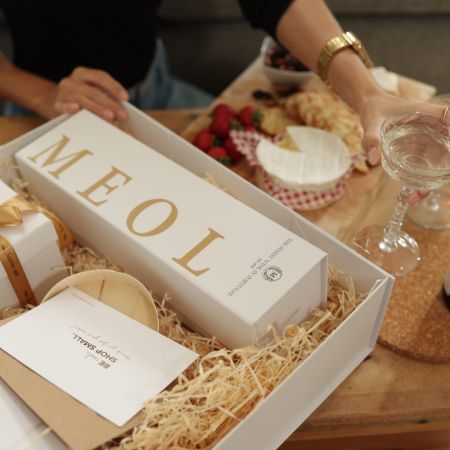
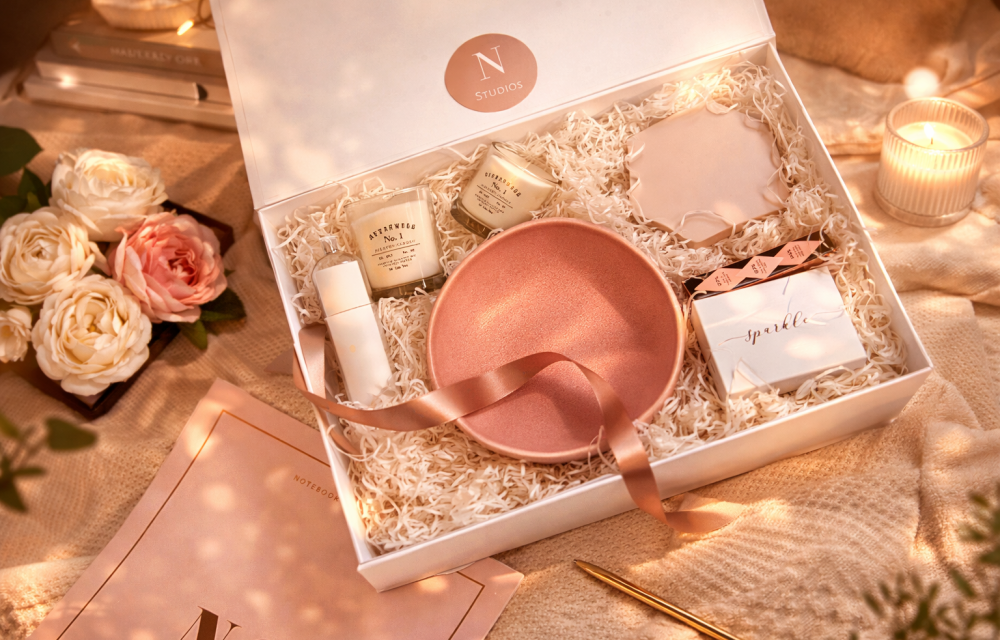
The best shredded paper for hampers creates lift, softness and colour harmony while giving light cushioning around products. Use enough fill to nest items neatly without burying them, add tissue where you want a cleaner premium finish, and treat paper shred as presentation support, not a substitute for structural protection.
Need hamper gift boxes to get you started? Check out our range of Hamper Gift Boxes.
Browse Hamper Gift Boxes
What Shredded Paper and Tissue Actually Do in a Hamper
Shredded paper and tissue sit in an interesting middle ground. They are not there to do the heavy structural work of a divider, but they do a lot for presentation.
Used well, they can:
- Soften the look of a hamper box
- Help products sit neatly
- Reduce light rubbing between items
- Add colour and depth to the pack-out
- Create a more considered unboxing experience
That is why hamper shredded paper and tissue are so popular with premium gift brands. They make a box feel fuller, more generous and more polished.
The important limit is this: shredded paper is best for light cushioning and presentation, not for controlling major movement in transit.
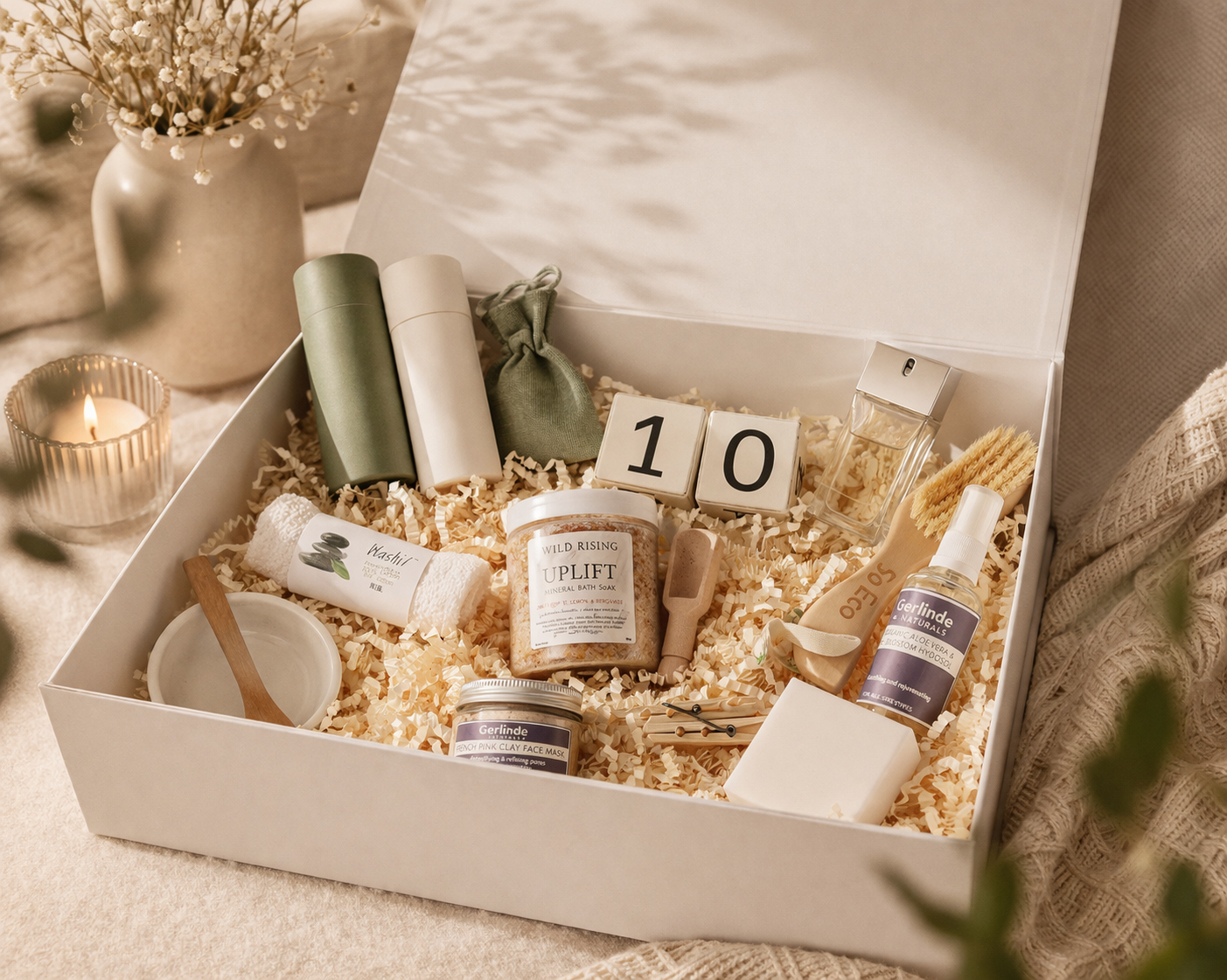
Presentation vs Protection: Where Paper Shred Fits Best
If the goal is to stop bottles, jars or cartons moving around a box, structured inserts usually do that job better. Our blog on Design Dividers That Stop Movement covers that in detail if you need further guidance.
This article is about what happens after the structure is sorted, or where the products are light enough for softer support.
Shredded paper works best for:
- Luxury gifting presentation
- Filling light visual gaps around products
- Nesting smaller items neatly
- Softening the look of a rigid box layout
- Adding a seasonal or branded colour story
Tissue works best for:
- Wrapping delicate finishes
- Creating a cleaner top-layer presentation
- Separating premium items visually
- Reducing light scuffing on polished surfaces
A mixed approach works best when:
- You want structure from dividers plus a softer, fuller look
- The hamper contains products with different finishes
- Presentation matters just as much as light cushioning
| Option | Best for | Strengths | Limits |
|---|---|---|---|
| Shredded paper for hampers | Nesting and visual fullness | Soft, decorative, adaptable | Not strong enough for major movement control |
| Tissue paper for hamper presentation | Wrapping and premium finish | Clean, elegant, protective against light rub | Adds less lift and volume |
| Mixed approach | Premium hampers with mixed products | Balances structure, softness and appearance | Slightly more packing steps |
How to Make Shredded Paper Look Premium, Not Messy
A lot of hamper filler looks flat or chaotic because it is added without structure.
1. Build a base cushion layer
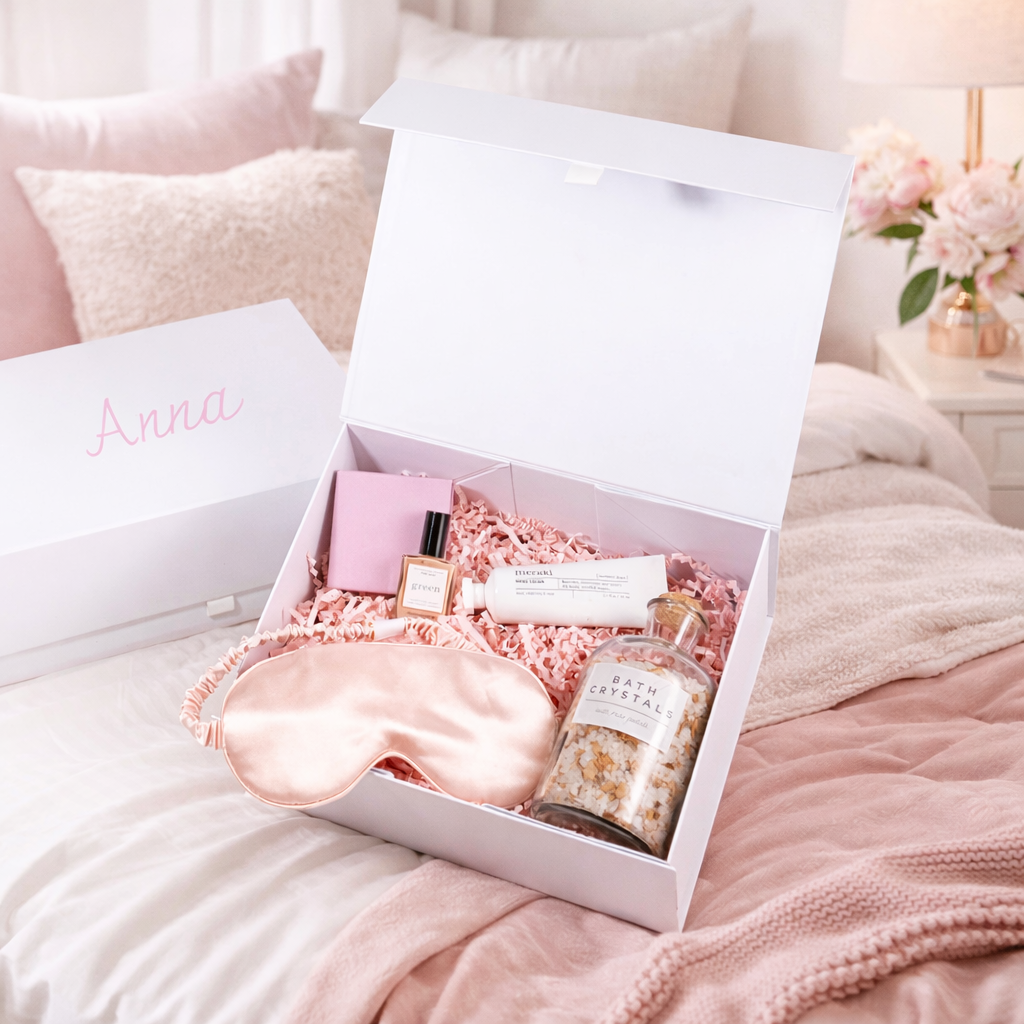
Start with a bed of paper shred gift box filler across the base of the box. This should create lift, not a loose mound.
The aim is to give products something soft to sit into, rather than having them drop straight onto the box base.
2. Nest, do not bury
Place products into the filler so they sit securely and visibly. If customers have to dig through a deep pile just to see the contents, there is too much fill.
3. Use a lighter top layer
A thin finishing layer over or around products helps the hamper look complete and polished without hiding the items.
4. Fluff before packing
Compressed shred straight from storage can look lifeless. Lightly fluff it before use so the box feels full and intentional.
How Much Shredded Paper Do You Need?
This is one of the most common hamper questions.
Use enough shredded paper to create a base layer, support the sides of the products, and lightly finish the top without burying the contents. Most hampers need enough fill to stop items looking loose, but not so much that the box looks overpacked or becomes hard to close.
In practice, the right amount depends on:
- Box depth
- Product weight
- How many items are packed
- Whether you are also using dividers
- How visible you want the products to be
Signs you have too little fill:
- Products sit flat and exposed on the box base
- Items lean awkwardly
- The hamper looks sparse
- There is visible empty space around products
Signs you have too much fill:
- Products disappear into the shred
- The box lid presses down on the contents
- The hamper looks bulky or untidy
- Packing becomes inconsistent from order to order
Colour Choices That Elevate the Hamper
Coloured shredded paper for gift boxes can lift the whole presentation, but only if it supports the brand rather than fighting it.
Safe colour strategies:
- Neutral tones for a clean, premium look
- Brand colours for recognisable identity
- Seasonal palettes for Christmas, spring gifting, or themed launches
- Tonal layering where shred and tissue sit in the same colour family
Common mistakes:
- Choosing a colour that competes with product labels
- Using very bright filler for a luxury brand tone
- Mixing too many colours in one hamper
- Ignoring how the filler photographs under warm or cool light
For many premium brands, less is more. One strong filler tone paired with clean tissue often looks more expensive than a highly mixed colour story.
Using Tissue to Make Products Look More Polished
Shredded tissue paper for gift boxes and flat tissue sheets can do slightly different jobs.
Use tissue to:
- Wrap fragile finishes before nestling them into shred
- Soften the appearance of harder-edged products
- Create a layered reveal in the unboxing
- Cover the top of a hamper before adding a sticker, belly band or card
Tissue is especially useful when products have polished surfaces, premium labels, or presentation details you do not want rubbed by surrounding items.
Layering Techniques That Work in Real Hamper Boxes
This is where presentation becomes repeatable.
Base layer
Create a soft, even base of hamper box filler. This gives lift and helps products settle neatly.
Nest heavier items first
Place heavier products into the filler before lighter items. That way the layout is anchored and you are not constantly rebalancing the hamper.
Add support around the edges
Push filler gently around products so they look held in place, not dropped in.
Finish with a presentation layer
Use a lighter top-up of shred or a tissue fold to complete the look.
This is one of the easiest ways to improve hamper presentation ideas without changing the box itself.
Use Dividers and Shredded Paper Together When You Need Both Structure and Softness
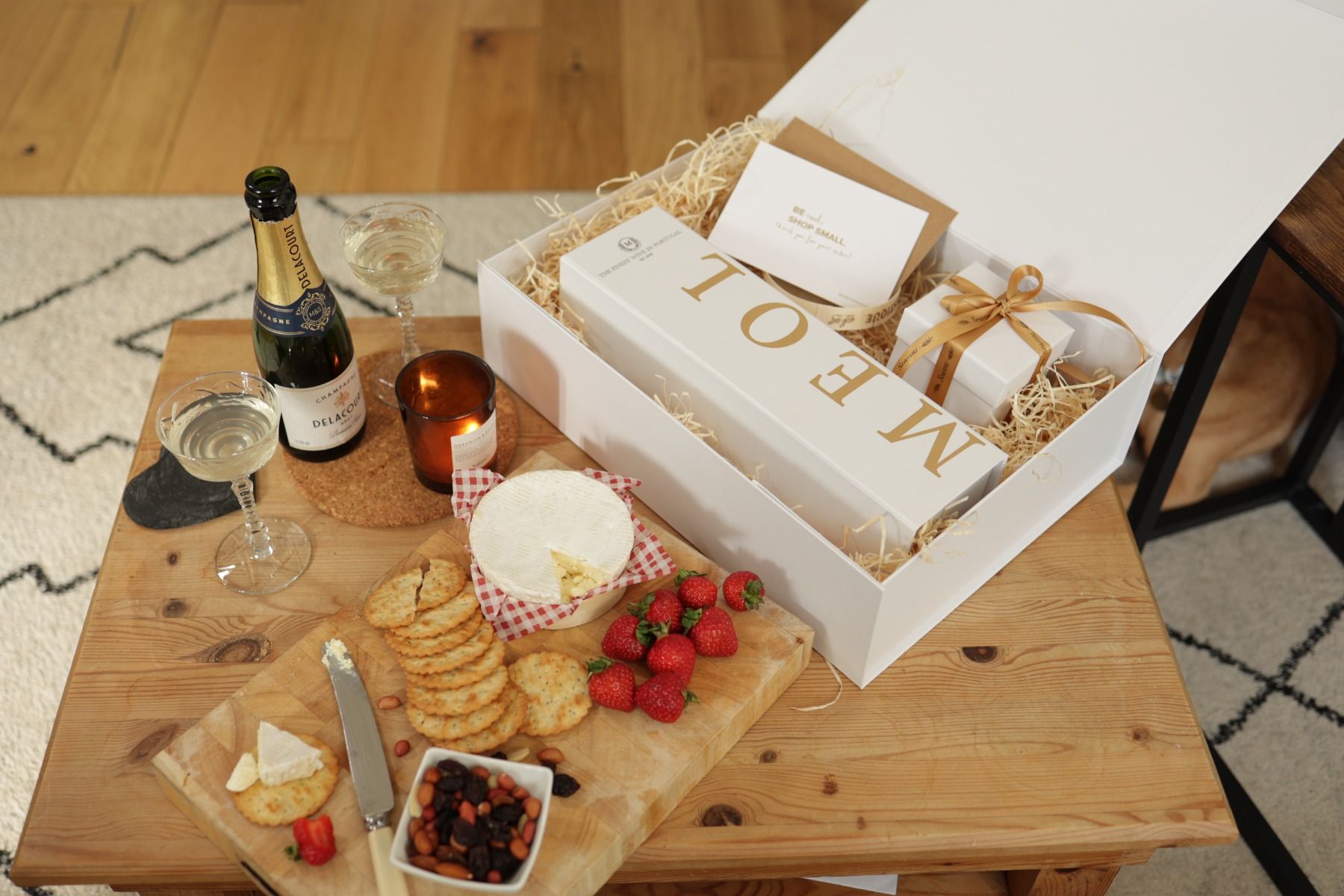
The best premium hampers often use both.
Dividers handle:
- Structural separation
- Bottle spacing
- Consistent product position
- Repeatable fulfilment layouts
Shredded paper and tissue handle:
- Visual softness
- Gap-filling around the structure
- Top-layer presentation
- Light cushioning and rub reduction
That is why shredded paper for hampers is often strongest as a companion material, not a standalone answer.
Is Shredded Paper Enough for Glass Items?
Usually not on its own.
If the hamper includes glass bottles, jars or delicate ceramics, shredded paper should be treated as presentation support rather than primary protection.
Use it to soften the layout or finish the box visually, but rely on inserts or dividers where products need real separation.
This is especially important for premium gifting where one broken item can undo the value of the whole hamper.
Eco-Friendly Hamper Filler: What to Look For
Eco friendly hamper filler is a major priority for modern gift brands, but it still needs to perform well and look good.
Good questions to ask:
- Is the fill paper-based?
- Is it widely recyclable?
- Is it made from recycled fibre?
- Does it avoid unnecessary mixed materials?
- Will customers understand how to dispose of it easily?
Paper-based shred and tissue often give brands a good balance of look, function and recyclability.
As always, the real sustainability win comes from using enough material to do the job well, but not so much that it becomes wasteful.
Storage and Fluffing: Small Details That Change the Result
Even premium filler can look poor if it is packed badly or stored badly.
Good practice:
- Store shred and tissue dry and clean
- Keep colours separated so they stay consistent
- Fluff shred before use if it has compacted in storage
- Train packers to apply a consistent volume per box
- Avoid crushing packed hampers before dispatch
A hamper can leave the bench looking perfect and still arrive looking flat if the outer boxes are stacked too heavily in transit or storage.
Cost Per Box: Where Presentation Materials Earn Their Keep
Presentation fillers are not free, so it makes sense to think about cost per hamper.
The useful question is not just “How cheap can I make this?” It is:
What level of filler gives me the best result for brand perception, pack consistency and customer delight?
Spend on shred and tissue can help you:
- Make the box feel fuller and more premium
- Reduce the need for excessive alternative filler
- Support product photography and merchandising
- Create a more memorable unboxing
That said, overfilling quickly becomes expensive and can actually make the hamper look less refined.
Photography and Merchandising Impact
Decorative filler has a job before the parcel even ships. It affects how the hamper photographs for:
- Website imagery
- Social content
- Product pages
- Influencer gifting
- Seasonal campaigns
A thoughtful hamper presentation style can make the box look richer, more layered and more giftable. That is one reason brands often treat filler choice as part of visual merchandising, not just packing.
| Step | What to do |
|---|---|
| 1 | Choose a filler colour that supports the brand and season |
| 2 | Build a soft base layer |
| 3 | Place heavier products first |
| 4 | Add lighter items and support gaps around them |
| 5 | Wrap delicate or high-finish items in tissue where needed |
| 6 | Finish with a light presentation layer |
| 7 | Check the box visually before closing: tidy, full, but not overpacked |
Looking for hamper packaging that feels as good as it looks? Explore our Hamper Gift Boxes range and presentation accessories, including shredded paper for hampers, tissue and finishing touches that help every box arrive looking polished.
FAQs
How much shredded paper do I need for a hamper box?
Use enough to create a base layer, support products at the sides, and lightly finish the top without burying the contents.
Is shredded paper protective enough for glass items?
Usually not on its own. It offers light cushioning, but glass items normally need more structured support as well.
What colour shredded paper works best for luxury hampers?
Neutral tones, restrained brand colours and seasonal palettes usually work best. The most premium look often comes from keeping the colour story simple.
Can shredded paper be recycled?
Paper-based shredded filler often can be, depending on the material and local recycling rules. It is best to keep the pack spec simple and clear for customers.
Does tissue paper look more premium than paper shred?
Tissue often looks cleaner and more refined, while shred adds volume and softness. The best result often uses both together.
How do you stop shredded paper looking flat in a gift box?
Fluff it before use, build an even base layer, and avoid compressing the hamper too tightly once packed.
Is eco-friendly hamper filler more expensive?
It can be, depending on the material and finish, but the difference often makes sense if it supports your brand values and customer experience.
Should I use both dividers and shredded paper together?
Often yes. Dividers provide the structure, while shredded paper improves presentation and adds light cushioning.