













 Consultations
 Box Finder
 Help Centre


Subscription Box Packaging Explained
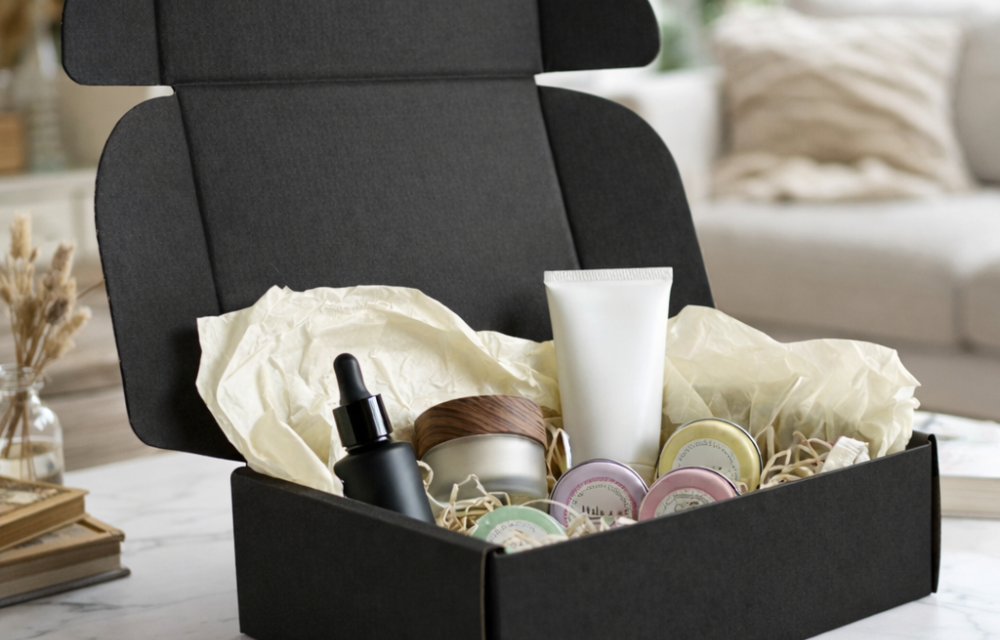
Subscription box packaging is a repeatable system. Box, inserts, sealing, labels and unboxing all need to work together. Standardise one to three sizes, use paper-based protection to stop rattle and scuff, and follow a simple packing flow. Done well, damages fall, packing speeds up and costs stay predictable as you scale.
If you are planning or refining your subscription box packaging UK, start with the right structure.
Explore Subscription Packaging
What Subscription Box Packaging Is and Isn’t
Why repeat shipments change the rules
One-off gifting can focus on appearance. Packaging for subscription boxes must work every month.
Subscriptions demand:
- Consistent fit.
- Fast packing.
- Predictable cost.
- Reliable protection.
- A tidy unboxing experience.
Designs must survive stacking, courier handling, and returns without constant redesign.
The Five Jobs Subscription Packaging Must Do
- Protect mixed items from crush and scuff.
- Fit predictably with minimal empty space.
- Pack fast using a clear, repeatable system.
- Control cost, including materials, labour and reships.
- Deliver the brand in a way you can execute at scale.
That is what separates good subscription packaging and shipping from one-off campaign boxes.
Choose the Right Box Style
Mailer cartons vs standard cartons
| Box style | What it is | Best for | Pros | Watch-outs |
|---|---|---|---|---|
| Mailer carton, crash-lock or 0427/0426 styles | One-piece self-locking mailer | Most DTC subscriptions such as beauty or pet | Quick assembly, good unboxing, easy to print | Watch height control; specify correct board strength |
| RSC standard carton | Regular slotted case sealed with tape | Bulkier kits or multi-inner shipments | Flexible sizes; strong in double wall | Slower assembly; relies on sealing method |
For most subscription box packaging UK brands, mailer cartons win on speed and presentation. Standard cartons suit heavier wholesale-style runs.
Keep overall height within Small Parcel limits where possible. Avoid tall, weak boxes that bow in courier cages.
If sealing strength is critical, see Tape Choices that Keep Boxes Closed.

Standardise Your Sizes, the One to Three Box Approach
Map your contents to a small size set:
- Review three to six previous cycles.
- Note maximum dimensions and typical weights.
- Identify fragile or tall items.
- Choose one to three internal sizes that cover most months.
Example:
- Small: letterbox-friendly.
- Medium: core subscription size.
- Large: feature or seasonal months.
For help choosing dimensions, see Choosing Subscription Box Sizes.
Handle Odd-Month Products Without Chaos
Avoid creating a new box for every campaign.
Instead:
- Use clip-in partitions for tall or rolling items.
- Add die-cut cards to brace unusual shapes.
- Keep one oversize carton for rare one-off campaigns.
A stable size set keeps storage, forecasting and packaging for subscription box projects under control.
Protection that Works for Mixed Contents
Mixed contents are where subscription box packaging often fails.
Insert selector:
| Item type | Risk | Insert choice | Notes |
|---|---|---|---|
| Glass or candles | Breakage | Moulded pulp tray or die-cut cradle | Add top and bottom pads; keep away from walls |
| Jars and tubs | Lid rub and scuff | Card partitions plus paper wrap | Stop lid-to-lid contact |
| Soft goods such as tees or socks | Movement | Kraft tissue and belly band | Use to brace fragile neighbours |
| Sachets and leaflets | Sliding | Document well or slit tab | No loose paper under heavy items |
| Mixed sets | Rattle | Paper void-fill used lightly | Fold neatly; avoid overpacking |
Stop rattle and stop scuff
Two simple rules:
- No rattle when shaken once.
- No contact between breakable items.
Also avoid abrasion. Hard edges should not touch printed labels or decorated lids.
Eco-friendly packaging for subscription boxes works best when designed snug, not stuffed with filler.
Packing Flow that Scales
A good packing flow is part of subscription packaging and shipping success.
Simple pack sequence:
- Pre-kit small items and inserts in batches.
- Assemble mailers in batches.
- Insert trays or partitions.
- Place heavy or fragile items first.
- Add soft goods last to brace.
- Add brand moment, such as tissue or printed card.
- Seal using H-tape or water-activated tape for heavier boxes.
- Apply label on a flat face away from seams.
- Run a quick rattle and corner squeeze check.
- Sample one in twenty for a simple drop test.
Once stable, aim for 60 to 90 seconds per pack.
Brand moments that scale:
- Print inside the lid with a thank you message or QR code.
- Use one multi-purpose card that also stabilises contents.
- Choose anti-scuff finishes so tissue movement does not mark the box.
Keep it repeatable. Complicated wrapping slows teams and increases cost.
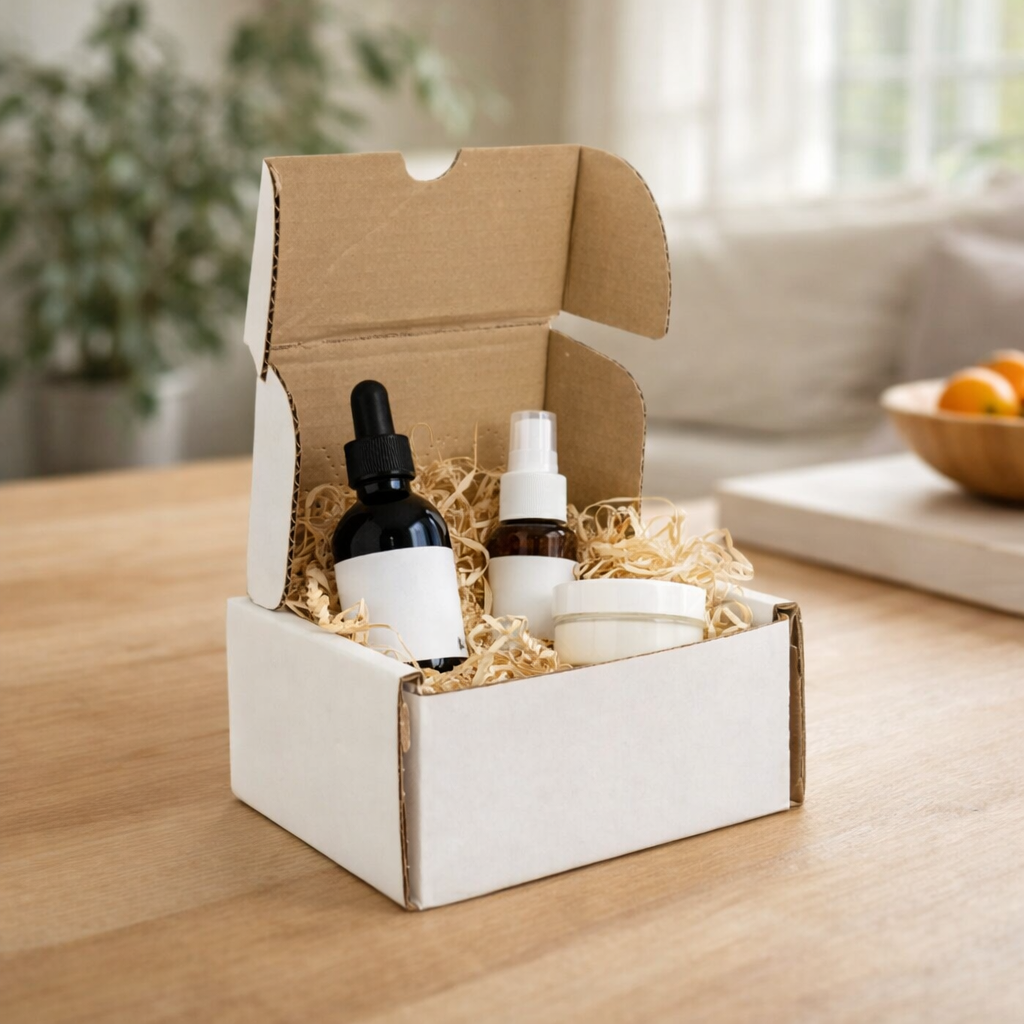
Sustainability and Cost Control
Mono-material choices:
- Use corrugated board plus card or pulp inserts.
- Avoid mixed plastic components where possible.
- Choose paper or water-activated tape for easy recycling.
- Right-sized subscription packaging reduces dimensional weight and void.
Reduce reships by reducing damage:
Track damage reasons:
- Breakage.
- Leaks.
- Scuffs.
- Crushed corners.
Fix root causes through box strength or insert design rather than adding extra filler.
Starter Spec Pack to Send Suppliers
Include:
- Box style and internal sizes in mm for small, medium and large.
- Board grade and print spec.
- Insert types with references.
- Monthly weight range.
- Fragile items list.
- Finish choice such as aqueous or anti-scuff.
- Sealing method and label position.
- Forecast volumes and storage limits.
Clear specs mean accurate quotes and smoother production.
If you are planning or refining your subscription box packaging UK, start with the right structure.
FAQs
What is subscription box packaging?
A repeatable system for monthly shipping. It combines right-sized boxes, inserts, sealing, labelling and a simple unboxing experience.
How many box sizes should I standardise on?
Usually one to three internal sizes cover most months. Adapt with inserts rather than new cartons.
What is the best box style for subscription boxes?
Mailer cartons suit most direct-to-consumer subscriptions. Standard cartons suit bulkier or kitted shipments.
How do I protect mixed items together?
Use pulp or card cradles for hard items and tissue or bands to stabilise soft goods. Ensure no rattle and no direct contact between breakables.
What is the most eco-friendly option that still protects?
Paper-based mono-material systems with snug sizing and paper or water-activated tape.
How do I add brand experience without slowing packing?
Print inside lids, pre-print inserts and avoid complex wrapping steps.
What should I include in a spec to get accurate quotes?
Box style and sizes, board and finish, insert types, weight range, sealing notes and monthly forecast volumes.