









 Consultations
 Box Finder
 Help Centre


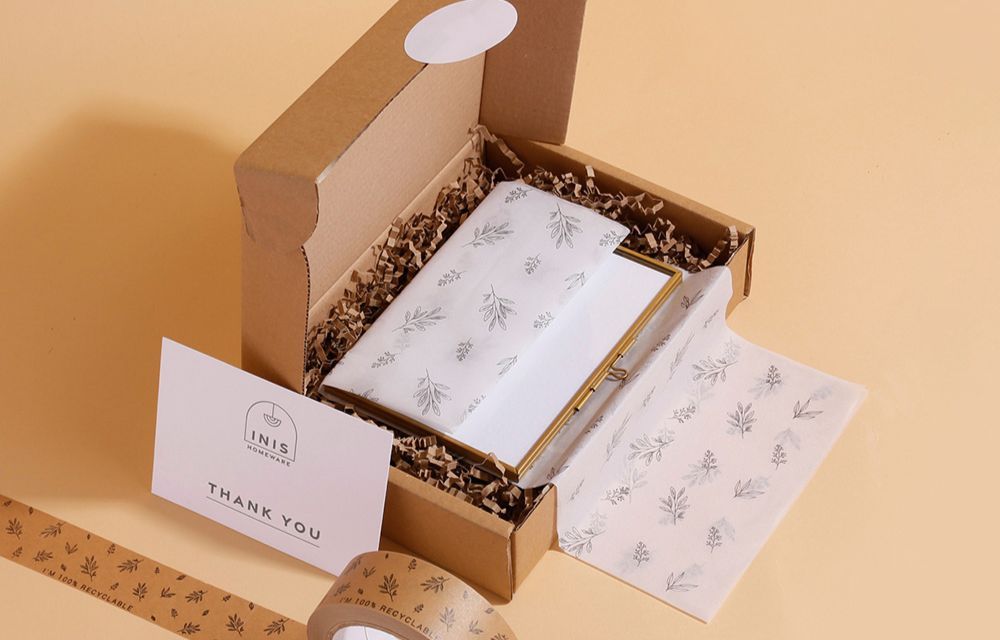
Choosing Subscription Box Sizes
Right-size subscription box sizes by measuring your largest monthly load, adding protection thickness and a small tolerance, then selecting a one to three size set that covers most drops. Use inserts to avoid going up a size, and confirm with a shake and drop test before scaling.
If you are reviewing your subscription box sizes, start with the right base range.
Explore Subscription Postal Boxes
What “Right Size” Means for Subscription Boxes
Choosing subscription box sizes is about more than fitting products. It affects postage, protection and packing speed.
Internal vs external dimensions
Internal dimensions are the usable space inside the box. Always specify width × length × height in mm here.
External dimensions are what couriers measure. Taller boxes increase dimensional charges and stacking risk.
For subscription box packaging UK brands, keeping height tight reduces both cost and crush risk.
The hidden costs of wrong sizing
- Shipping air: Higher postage and more void-fill.
- Over-tight packing: Pressure points, scuffed labels, cracked lids, bowed flaps and slower packing.
Right-sizing balances protection with cost control.
For the full system view, see Subscription Box Packaging Explained.
Read: Subscription Box Packaging Explained
The Simple Sizing Method
Follow this step-by-step approach for packaging for subscription boxes.
-
Measure contents and define your “max month”
- Review three to six cycles.
- List all SKUs.
- Record the largest length × width × height item.
- Calculate combined stack height when packed.
- Decide orientation so labels face up for unboxing.
This defines the maximum internal space needed.
-
Add protection allowance
Add space for the inserts you will actually use.
Typical allowances
- Die-cut card cradle: add 2 to 4 mm height.
- Moulded pulp tray: add 5 to 10 mm height.
- Paper wrap or tissue: add 1 to 2 mm overall.
Avoid planning for protection you will not use. That leads to shipping air.
-
Add tolerance for variation
Allow for real-world variation.
- Height tolerance: plus 3 to 6 mm, especially if soft goods are included.
- Length and width tolerance: plus 2 to 4 mm each if orientation varies slightly.
Tolerance prevents forced packing and seam pressure.
-
Confirm box style and closure
- Mailer cartons suit most direct-to-consumer subscription packaging and shipping.
- RSC cartons suit heavier kitted or wholesale-style shipments.
Ensure contents do not push into closure seams. Leave room for H-tape or water-activated tape where required.
-
Check label face and scanning
- Reserve a flat 100 × 150 mm area for labels.
- Avoid placing labels across creases or edges.
Rule of thumb formula
Final internal size = packed contents size + protection allowance + tolerance on each axis.
Choose the smallest subscription box size where this fits without rattle.
Standardise to One to Three Box Sizes
Most brands only need a small size set.
Small, standard and oversize model
| Size | Typical internal mm | When to use | Inserts that help you stay here |
|---|---|---|---|
| Small S | Around 225 × 155 × 45 to 55 | Letterbox-friendly or light months | Slim card cradles and tissue bands |
| Standard M | Around 260 × 190 × 70 to 90 | Most cycles with mixed goods | Pulp tray plus card partitions |
| Oversize L | Around 300 × 220 × 100 to 120 | Feature months or tall bottles | Cross-brace divider plus top and bottom pads |
Adjust these to your product range. Aim for 80 to 90 percent of months within S and M.
Hold L for spikes. Avoid constant size creep.
When to Add a Fourth Size
Only add another SKU when:
- A new product category will not fit L.
- You are constantly overfilling or damaging products.
- Volumes justify extra storage and insert tooling.
More sizes increase storage and complexity.
For branded options, see Branded Subscription Boxes Options.
Read: Branded Subscription Boxes Options
Pack-out Layouts that Keep You in the Smaller Box
Layout is often the difference between moving up a size and staying put.
Layout options
- Single layer: Cradle, soft item, card well. Lowest overall height.
- Double layer: Heavy items in bottom pulp tray, soft goods on top with pad.
- Divider grid: 2 by 2 or 2 by 3 cells for jars or tubs.
- Diagonal bottle placement: Slight tilt within a cradle to reduce height, ensuring no wall contact.
Mixed contents without rattle
- Place hard items next to soft goods for buffering.
- Use bands to secure soft items.
- Never place loose leaflets beneath heavy products.
Good layout reduces reliance on void-fill.
Test and Lock the Spec
Subscription box sizes should always be tested before scaling.
Quick bench checks
- Shake once. No rattle.
- Corner squeeze. Panels feel firm with no bowing.
- Five-drop test from 1 metre on base, top, long edge, short edge and corner.
No product damage and no seam split means pass.
Acceptance checklist
- Internal dimensions match agreed spec.
- Contents fit without force.
- No product touches box walls.
- Label area flat and scannable.
- Seal holds after 24 hours under 10 to 15 kg stacked load.
Test with representative weight, not empty packs.
Sustainability
Right-sizing is one of the most effective eco-friendly packaging for subscription boxes strategies.
- Less material.
- Lower transport emissions.
- Fewer reships due to damage.
Use mono-material inserts such as card or pulp. Avoid foam where possible.
Select E or EB flute where strength allows to control height without sacrificing performance.
Supplier Brief Checklist
To get accurate quotes for subscription packaging UK suppliers, include:
- Box style and internal sizes for S, M and L.
- Target board grade.
- Insert types with references.
- Monthly weight range.
- Fragile item list.
- Finish details and print areas.
- Sealing method and label position.
- Forecast volume per size.
- Flat-pack storage constraints.
Clear briefs reduce delays and resets.
If you are reviewing your subscription box sizes, start with the right base range.
Browse Subscription Postal Boxes
FAQs
How do I choose the right subscription box size for variable contents?
Measure your maximum month, add protection and tolerance, then choose the smallest internal size that passes shake and drop tests.
How many subscription box sizes should a brand use?
Usually one to three sizes cover most cycles. Add a fourth only if data supports it.
What is the difference between internal and external box dimensions?
Internal is usable space. External affects courier charges and stacking performance.
How much extra space should I allow?
Start with 2 to 4 mm on length and width and 3 to 10 mm on height depending on insert type. Test and adjust.
When should I use inserts instead of moving up a size?
When height is the limiting factor. Card cradles or pulp trays stabilise items and often allow you to stay in a smaller box.
How do I handle odd months without changing the system?
Switch to your L size for that month or adjust layout and inserts. Avoid introducing new SKUs unless the change repeats.
What quick tests prove the size is right?
Shake test with no rattle, corner squeeze and five-drop sequence with representative weight.