










 Consultations
 Box Finder
 Help Centre


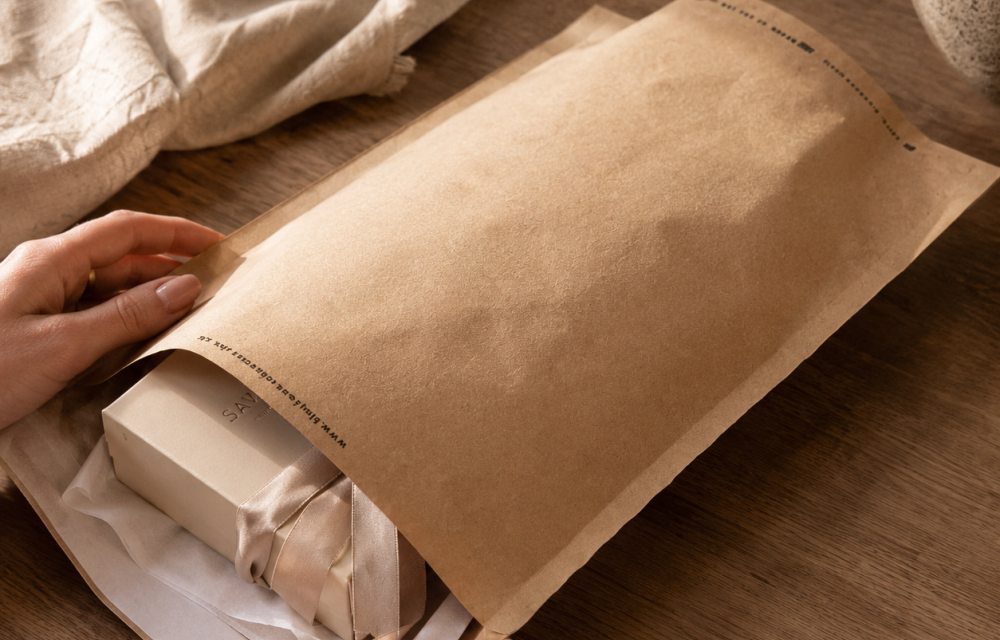
Discover The Benefits Of Kraft And Reinforced Paper Mailers
Paper mailers can be a strong alternative to plastic, but only when they are chosen for the job they need to do.
For sustainable retail brands, the move away from plastic packaging is not only about appearance. The mailer still has to protect the product, survive handling, represent the brand well, and make sense for the packing team. If it tears, weakens in damp conditions, or needs too much extra packaging around it, the switch is not doing enough.
That is why kraft mailers, reinforced paper mailers, gsm, wet strength, and clear sourcing information all matter. The best paper mailers that effectively substitute plastic are not chosen by look alone. They are chosen by performance, transparency, and fit for the product.
This guide explains how eco-friendly paper mailers as alternatives to plastic can work for UK retail businesses, what to check before switching, and how to choose paper mail bags that support sustainability initiatives without creating operational headaches.
Looking to test plastic-free postal options with real products? Explore our paper mailing bags and compare sizes, strengths, and finishes before moving over at scale.
What Makes A Paper Mailer A Good Plastic Replacement?
A good paper mailer replacement should do three things well:
- protect the product through normal handling
- support your sustainability goals with clear material information
- work smoothly in your packing and fulfilment process
That means the mailer must be strong enough, the right size, easy to seal, suitable for the product, and clear about disposal. It should also give customers confidence that your packaging choice is genuine, not just a brown-paper costume for the same old problem.
Paper mailers work best when they are matched to the product. A slim kraft mailer may be ideal for soft goods, documents, accessories, or lightweight retail items. A reinforced paper mailer may be better when the order needs more strength, puncture resistance, or moisture resilience.
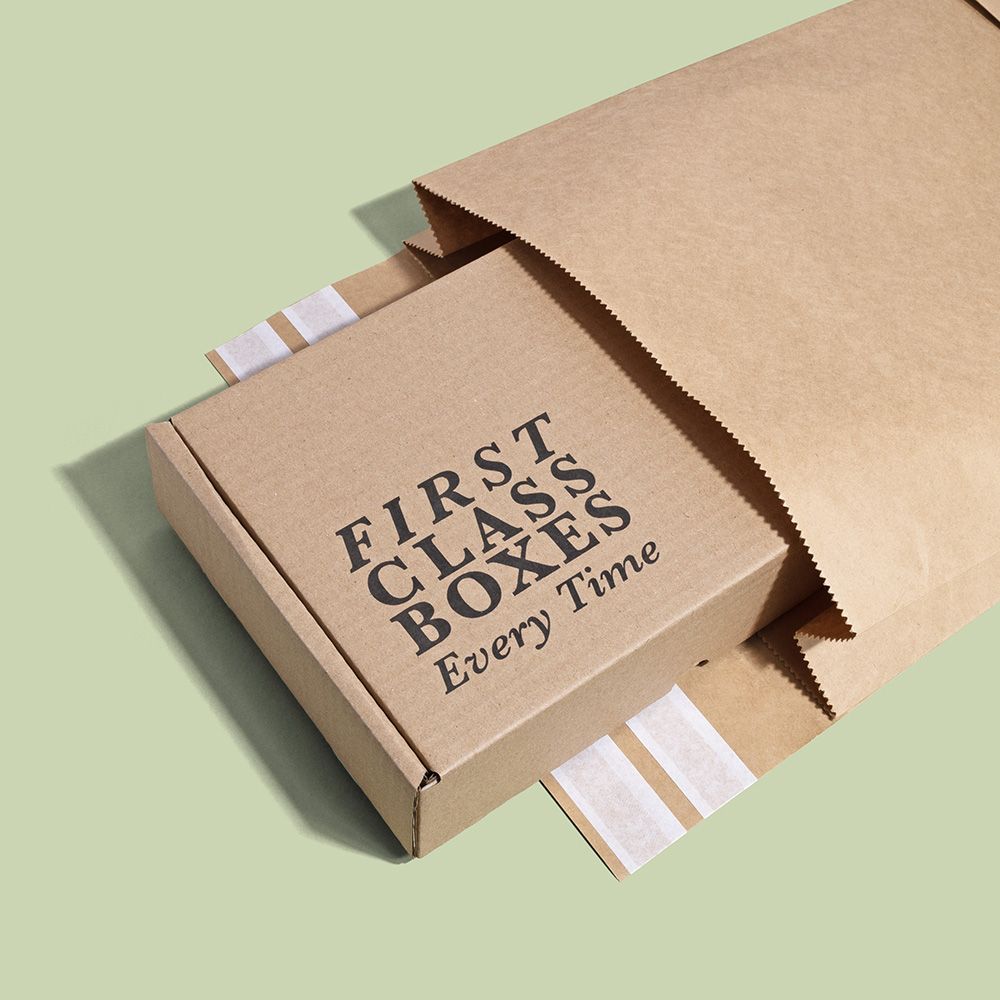
Kraft Mailers: Simple, Practical And Familiar
Kraft mailers are usually made with strong brown or white kraft paper. They are popular because they look natural, feel familiar, and suit many sustainable retail brands.
Kraft mailers can work well for:
- clothing
- soft accessories
- documents
- stationery
- lightweight gifts
- textiles
- flat retail products
- non-fragile e-commerce orders
They are especially useful when the product does not need rigid protection. The mailer gives the order a clean postal format without the plastic feel of a poly bag.
The durability of kraft mailers depends on the paper grade, gsm, construction, seal quality, and how the mailer is used. A kraft paper mailer that works well for a T-shirt may not be right for a sharp-edged box or a fragile product.
Simple can be smart. It just needs to be specified properly.
Reinforced Paper Mailers: Extra Strength Where It Counts
Reinforced paper mailers are designed to offer more strength than a basic paper mailer. That may come from stronger paper, multiple layers, fibre reinforcement, padding, or a more robust construction.
They are useful when you need paper-based packaging but want more resistance to tearing, puncture, or rough handling.
Use reinforced paper mailers when:
- the product has slightly sharper edges
- the order is heavier than a standard soft item
- the mailer may face more handling
- you need better burst resistance
- you want more confidence in wet or mixed weather
- a basic kraft mailer feels too light for the product
Reinforced options can be a better bridge between plastic mailers and full boxed packaging. They help protect the product without automatically moving every order into a box.
For a wider material comparison later in the mailer journey, read our guide to poly mailers by microns and coex layers.
Read Poly Mailers By Microns And Coex Layers
GSM In Plain English
GSM stands for grams per square metre. It tells you the weight of the paper material over a set area.
In packaging, gsm can give a useful indication of paper weight and strength, but it is not the whole story. A higher gsm paper may feel thicker and more robust, but construction, fibre quality, reinforcement, coating, and seal design also affect performance.
Think of gsm as one clue, not the full answer.
| GSM Consideration | What It Can Tell You | What It Cannot Tell You Alone |
|---|---|---|
| Paper weight | How substantial the paper may feel | Whether the bag will resist tearing in real use |
| Thickness feel | Whether the mailer feels light or sturdy | Whether it will suit sharp corners or heavy items |
| Cost impact | Heavier papers may cost more | Whether the higher cost is worth it for your product |
| Brand feel | Thicker paper may feel more premium | Whether it improves sustainability overall |
When comparing grams per square metre in packaging, always test the finished mailer with the actual product. A good gsm on paper still needs to behave well in the packing room.
Wet Strength Paper Mailers And UK Weather
Paper and moisture need careful planning, especially for UK deliveries.
Wet strength refers to how well paper keeps its structure when exposed to damp conditions. It does not mean the mailer is waterproof. It means the material is designed to hold together better if it meets moisture during normal handling.
Wet strength paper mailers can be useful for:
- e-commerce parcels travelling in mixed weather
- orders that may sit briefly on doorsteps
- soft goods where the outer layer must not fail easily
- retailers replacing plastic but still needing confidence in transit
This is where paper mailers need honest positioning. If a product cannot tolerate moisture at all, a paper mailer alone may not be enough. You may need inner wrapping, a different mailer, or a box solution.
Paper can replace plastic well in many cases, but it should not be asked to perform magic in a rainstorm.
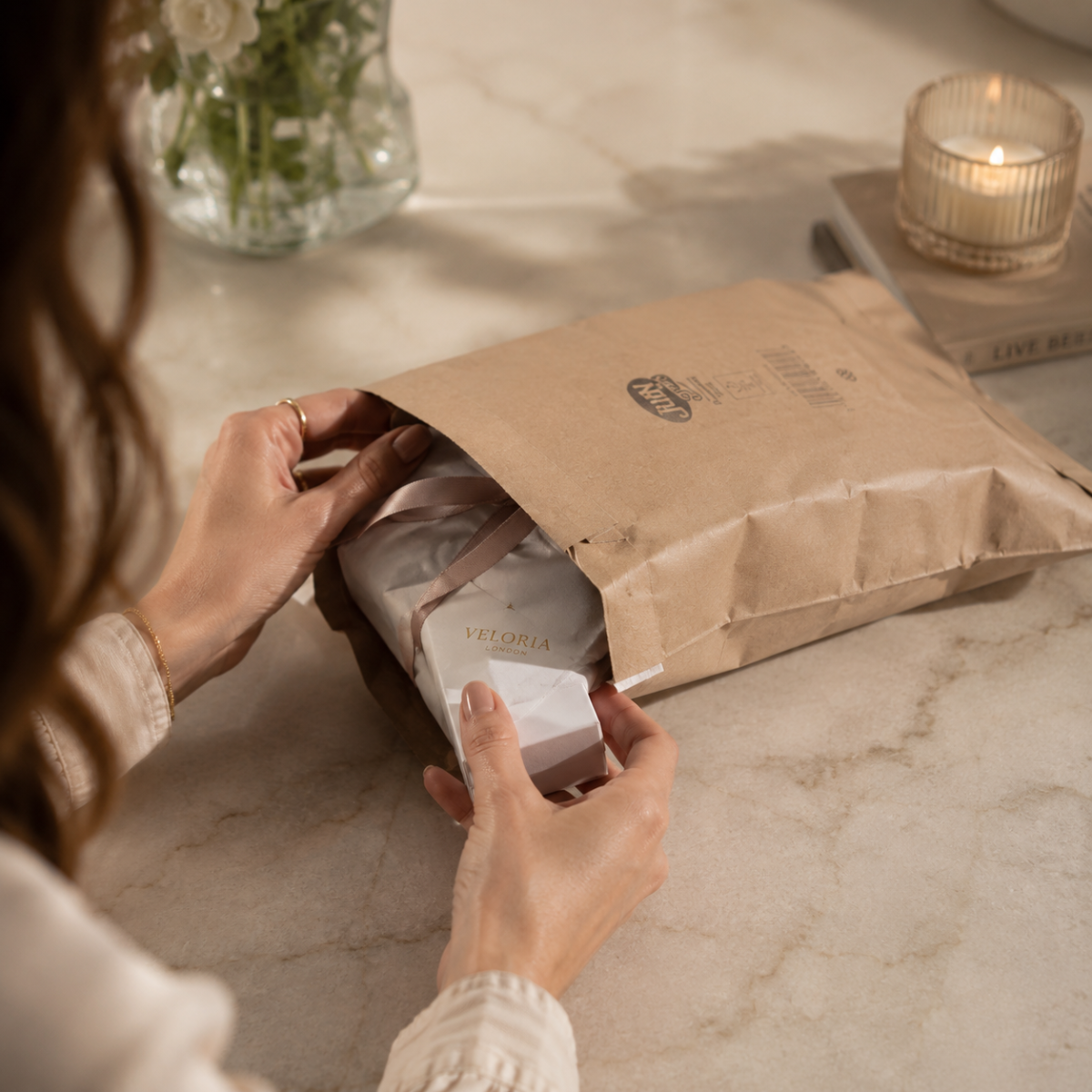
Environmental Benefits Of Paper Mailers
The environmental benefits of paper mailers depend on the exact material, sourcing, construction, coatings, inks, adhesives, and disposal route.
Paper mailers may support sustainable shipping solutions because they can be paper-based, widely understood by customers, and easier to align with recyclable packaging goals when specified correctly. They can also help brands reduce reliance on plastic packaging for suitable products.
However, avoid broad claims without proof. Not every paper mailer is automatically recyclable, biodegradable, responsibly sourced, or better for every use case.
Ask suppliers for clear information on:
- material composition
- recycled content, where available
- FSC-certified options, where available
- coatings and adhesives
- recyclability guidance
- disposal messaging
- manufacturing and sourcing transparency
- any certification documents that support claims
Sustainability is strongest when it is specific. “Paper-based with clear disposal guidance” is more useful than a vague “planet-friendly” badge with nothing behind it.
Biodegradable Packaging Alternatives: Check The Detail
Biodegradable packaging alternatives can sound appealing, but the details matter.
A biodegradable claim should be supported by evidence, conditions, and clear disposal guidance. Something may biodegrade only in certain environments, over a certain time, or through a specific waste route. If customers do not know what to do with it, the benefit can be weakened.
For paper mailers, focus first on practical questions:
- is the mailer recyclable?
- is it made with recycled content?
- is responsible sourcing documented?
- are coatings or linings present?
- can the customer dispose of it easily?
- are claims supported by certification or supplier documentation?
- does the mailer still protect the product well?
Biodegradable is not a shortcut. It is a claim that needs proof.
Paper Padded Mailers Versus Bubble-Lined Options
Paper padded mailers can help brands reduce plastic-based protective layers, especially where the product needs light cushioning.
They may suit:
- small gifts
- books
- stationery
- accessories
- flat fragile items
- beauty or lifestyle products with light protection needs
Bubble-lined options may still be used where products need a particular type of cushioning, but they can complicate disposal if mixed materials are difficult for the customer to separate or recycle.
The key is to avoid overpacking. Do not choose the thickest padded mailer by default. Choose the lightest practical protection that keeps the product safe.
| Product Need | Better Starting Point |
|---|---|
| Soft, non-fragile item | Kraft mailer |
| Slightly heavier soft item | Reinforced paper mailer |
| Flat item needing light cushioning | Paper padded mailer |
| Fragile item with sharp corners | Slim box or reinforced format |
| Moisture-sensitive item | Test mailer plus inner protection |
The best sustainable supply choice is the one that protects the product without adding unnecessary material.
Customer Experience: What The Mailer Says About Your Brand
Packaging is part of the customer experience. A paper mailer can signal care, simplicity, and sustainable values before the product is opened.
Good paper mailers help customers feel that the brand has thought about:
- material choice
- ease of opening
- product protection
- disposal instructions
- presentation
- waste reduction
- brand consistency
Custom kraft paper can help here. Printed messages, simple icons, disposal guidance, and neat branding can make the mailer feel intentional without overcomplicating it.
Keep disposal messaging clear. For example, tell customers whether the mailer is recyclable, whether labels should be removed, or whether any inner layer needs separating. Only say what you can support with the material specification.
A customer should not need a detective hat to dispose of your packaging properly.
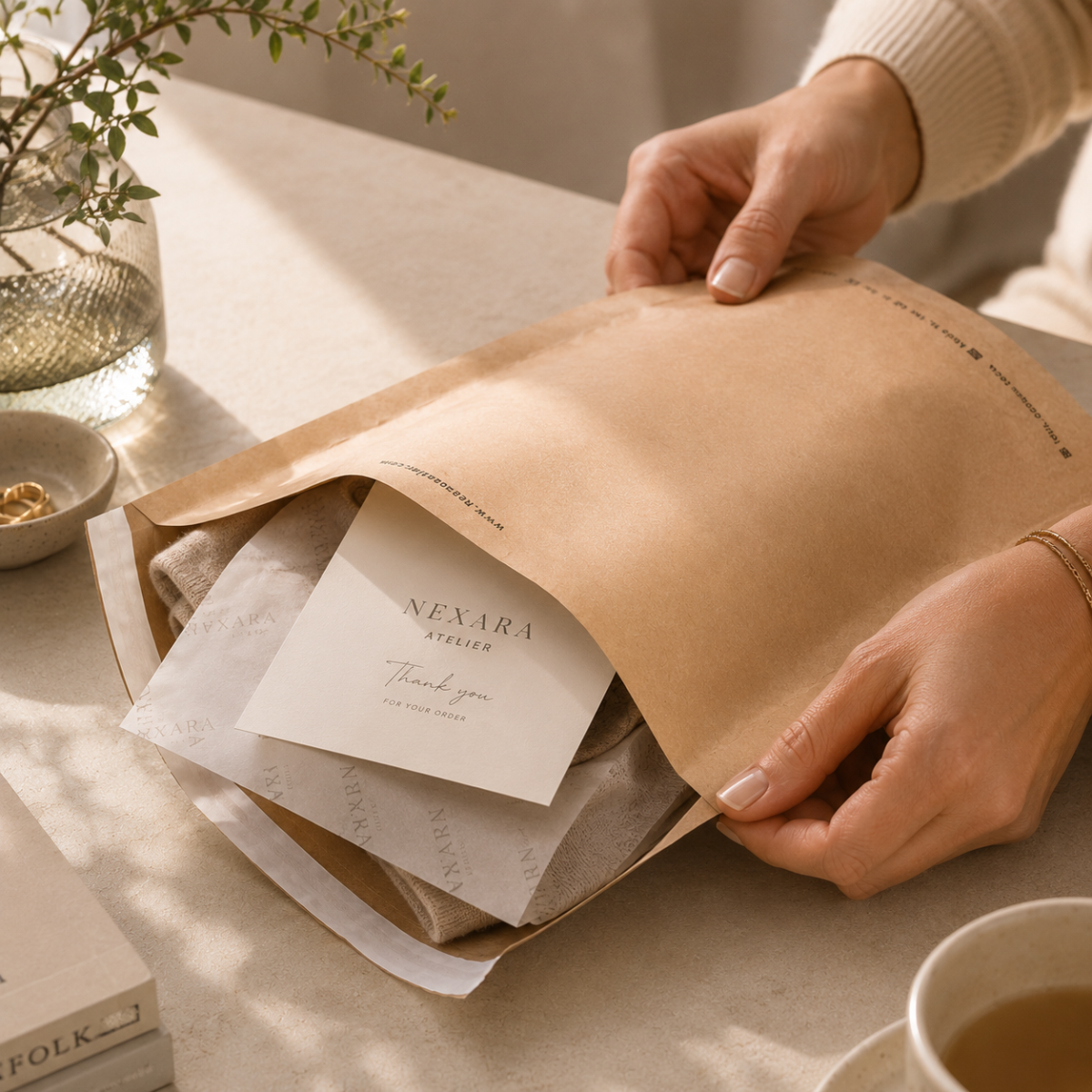
Cost Implications Of Switching From Plastic To Paper
Paper mailers may cost more than basic plastic mailers in some cases, but unit price is only one part of the decision.
Look at the full cost picture:
- mailer unit cost
- product protection
- packing speed
- storage space
- damage rates
- customer feedback
- brand value
- waste handling
- reorder reliability
- sustainability documentation
If a paper mailer improves brand trust, reduces plastic use for suitable orders, and works cleanly in fulfilment, it may justify the switch. If it needs too much extra packaging to perform, the format may need rethinking.
Cost-effective sustainable retail packaging is not about choosing the cheapest material. It is about choosing the right material for the job.
Transparency In Packaging Sourcing
Transparency in packaging sourcing is essential for brands making sustainability claims.
A good supplier should be able to explain what the paper mailer is made from, where the material comes from, what certifications are available, and what disposal guidance is appropriate.
Ask for:
- material data
- certification details
- recycled-content information, if relevant
- FSC-certified options, if relevant
- manufacturing information
- coating or lining details
- recyclability guidance
- minimum order quantities
- lead times
- repeat supply confidence
This helps protect your brand from vague claims and gives your team clearer information for product pages, customer service, and internal sustainability initiatives.
When Paper Mailers Replace Plastic Well
Paper mailers are most likely to replace plastic well when the product is:
- lightweight
- flexible
- not sharp-edged
- not highly moisture-sensitive
- not crush-sensitive
- easy to fit without overstuffing
- suitable for paper-based presentation
- able to travel without heavy cushioning
They are less suitable when the product is:
- very fragile
- wet or leak-prone
- heavy with sharp edges
- likely to puncture the mailer
- sensitive to damp conditions
- better protected in a box
This is where sample testing matters. Do not switch every product at once. Start with the categories most likely to succeed, test real packed orders, then expand.
Selection Checklist For Paper Mailers
Use this checklist when comparing paper mailers that effectively substitute plastic.
| Check | What To Ask |
|---|---|
| Product fit | Does the item fit without stretching, bunching, or overfilling? |
| GSM | Is the paper weight suitable for the order? |
| Wet strength | Will it cope with normal handling and damp conditions? |
| Seal strength | Does the closure stay secure in transit? |
| Tear resistance | Does the mailer resist splitting around corners and edges? |
| Customer opening | Can the customer open it without damaging the product? |
| Disposal | Is the disposal message clear and accurate? |
| Certifications | Are claims supported by documentation? |
| Supplier transparency | Can the supplier explain sourcing and materials? |
| Cost | Does it work commercially across your order volume? |
| Brand fit | Does the mailer match your sustainability values and presentation style? |
Practical Test Before Switching From Plastic
Before replacing plastic mailers across a product range, run a simple test.
- Choose the product category most suited to paper.
- Select two or three kraft or reinforced paper mailers.
- Pack real orders, not empty samples.
- Test the seal, corners, and packed shape.
- Handle the packs as your team normally would.
- Leave samples in typical storage conditions.
- Check performance in damp or mixed-weather scenarios where relevant.
- Ask customers or internal teams for feedback.
- Compare cost, protection, presentation, and disposal clarity.
- Approve the best format before scaling.
This gives you evidence before you commit. Very sensible. Very unglamorous. Very worth it.
Choose Paper Mailers With Proof, Not Guesswork
Paper mailers can replace plastic well when they are matched to the right products, specified carefully, and backed by clear sourcing information.
For sustainable retail brands, the best choice is not simply “paper instead of plastic”. It is the right kraft mailer, reinforced paper mailer, gsm, wet strength, seal, size, and disposal message for the job.
That is how you build packaging that supports customer trust, reduces unnecessary plastic use, and still works for the people packing orders every day.
Ready to compare paper options with your own products? Browse our paper mailing bags, request samples, and test kraft and reinforced formats before making the switch at scale.
FAQs
What Are The Environmental Benefits Of Using Paper Mailers Over Plastic Packaging?
Paper mailers can help brands reduce reliance on plastic packaging for suitable products. They may also support clearer paper-based disposal routes when the material, coatings, adhesives, and recycling guidance are properly specified.
How Do Kraft And Reinforced Paper Mailers Compare In Terms Of Durability And Wet Strength?
Kraft mailers are often a good choice for lightweight, flexible, non-fragile products. Reinforced paper mailers can offer extra strength, tear resistance, or wet strength for orders that need more protection.
What Factors Should UK Retail Business Owners Consider When Choosing Paper Mailers?
Consider product weight, product shape, moisture sensitivity, gsm, wet strength, seal strength, disposal instructions, supplier transparency, certifications, cost, and how the mailer performs in real fulfilment.
How Does The Grams Per Square Metre Affect The Performance Of Paper Mailers?
Grams per square metre, or gsm, gives an indication of paper weight. A higher gsm may feel stronger, but performance also depends on construction, fibre quality, reinforcement, coatings, and seal design.
What Are The Practical Applications Of Paper Mailers In Sustainable Retail?
Paper mailers can work well for clothing, stationery, soft accessories, textiles, lightweight gifts, and non-fragile e-commerce orders. Reinforced or padded paper options can help where extra protection is needed.
How Can Businesses Ensure Their Paper Mailers Have Genuine Sustainability Credentials?
Ask suppliers for material details, certification documents, recycled-content information where relevant, FSC-certified options where available, coating details, recyclability guidance, and clear sourcing information.
What Role Does Transparency In Sourcing Play In The Sustainability Of Paper Packaging?
Transparency helps brands understand what the packaging is made from, where materials come from, and whether sustainability claims can be supported. It also helps customer service and marketing teams avoid vague or unsupported claims.
How Can Using Paper Mailers Enhance Customer Experience In Retail?
Paper mailers can create a clean, considered, brand-aligned unboxing moment. Clear disposal instructions, neat branding, easy opening, and suitable protection can all improve the customer experience.
What Are The Cost Implications Of Switching From Plastic To Paper Mailers?
Paper mailers may cost more than basic plastic mailers in some cases, but the full cost picture includes protection, packing speed, damage rates, storage, customer experience, brand value, and sustainability requirements.
What Certifications Or Standards Should Businesses Look For In Sustainable Paper Packaging?
Look for certifications and documentation that support the specific claim being made, such as responsibly sourced material, recycled content, or recyclability. Ask suppliers for proof before using sustainability claims in customer-facing copy.