







 Consultations
 Box Finder
 Help Centre


Choosing Durable Finishes For Gift Boxes In High-Volume E-Commerce
A gift box can look perfect in a product photo, then meet the real test on a busy packing line.
It gets picked, stacked, labelled, handled, checked, packed into outers, unpacked, and handled again by the customer. If the finish marks too easily, scuffs during fulfilment, or shows every fingerprint, the premium look can fade before the box has done its job.
For high-volume e-commerce retail teams, durable finishes for gift boxes are not just about looking good. They are about keeping presentation consistent while the operation keeps moving.
This guide explains how to choose premium packaging finishes that wear well on busy lines, including foil embossing, soft touch coatings, matte, satin, and gloss options. It also shares practical rub resistance tips for teams buying gift packaging wholesale or looking to create a gift box that feels premium without slowing fulfilment.
Need gift boxes to get you started?
Durable Finishes: A Simple Definition
Durable finishes for gift boxes are surface treatments, coatings, papers, or decorative details chosen to protect the look and feel of packaging through handling, storage, packing, and shipping.
For busy fulfilment environments, the best wear-resistant coatings for busy environments should:
- resist visible rubbing and scuffing
- hold colour and texture consistently
- work with existing packing speeds
- suit the product and customer expectation
- support supplier repeatability across orders
- fit your sustainability and compliance requirements
In plain English: the finish should still look good after the line has had its say.
Why Finishes Matter On Busy Fulfilment Lines
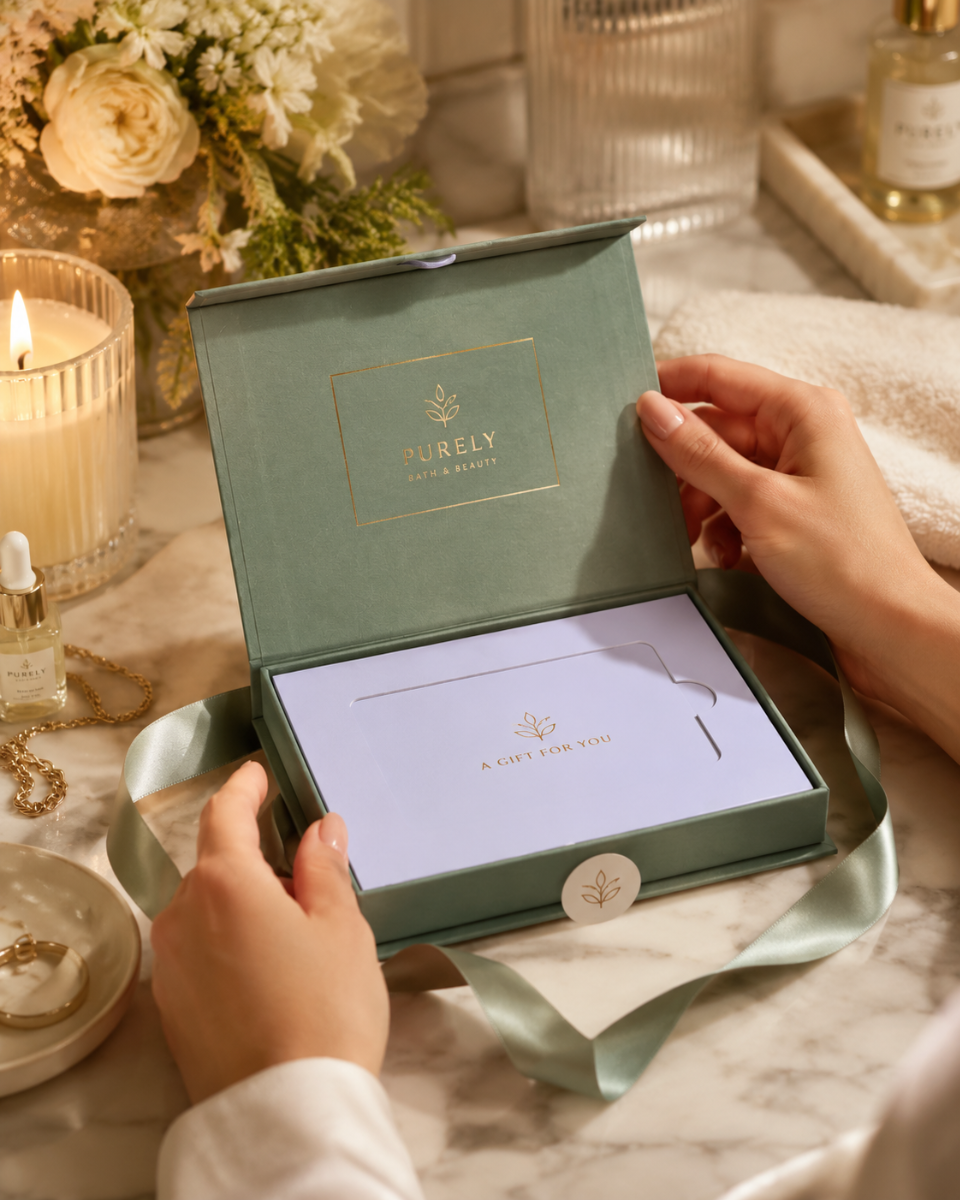
A gift box finish does more than decorate the pack. It shapes how customers judge the product inside.
For an operational manager, the challenge is balancing brand presentation with practical performance. The box needs to feel special, but it also needs to survive real handling. A finish that looks beautiful but marks too easily can create rejects, rework, packing delays, and customer disappointment.
Durable finishes for high-traffic areas are often discussed in retail interiors, counters, and display spaces. For packaging, the same principle applies in a smaller, faster-moving way. The “high traffic area” is your fulfilment line, packing bench, stockroom, carrier network, and customer doorstep.
The right finish can help:
- reduce visible scuffs
- improve presentation consistency
- support faster handling
- cut avoidable repacking
- protect premium brand cues
- make quality checks easier
- reduce complaints about damaged-looking packaging
A box does not need to be indestructible. It does need to be suitable for how it will actually be handled.
Matte, Satin And Gloss: What Changes In Use
Different finishes behave differently on busy lines. The best choice depends on the product, box colour, handling volume, and customer expectation.
| Finish | How It Looks | Operational Watch-Out | Best Use |
|---|---|---|---|
| Matte | Soft, modern, understated | Can show rub marks or fingerprints depending on coating and colour | Premium gift boxes, calm brand palettes, luxury retail |
| Satin | Smooth with a gentle sheen | Usually more forgiving than very flat matte finishes | High-volume gift packaging needing a polished but practical finish |
| Gloss | Bright, shiny, high-impact | Can show scratches, dents, or glare more clearly | Bold branding, seasonal packaging, colourful ranges |
| Soft touch | Velvety, premium, tactile | Needs testing for rub resistance, marks, and handling | Luxury gift box presentation and high-touch unboxing |
| Foil detail | Reflective, decorative, premium | Placement matters because raised or shiny areas can mark if poorly protected | Logos, names, short messages, and premium accents |
There is no single “best” finish for every line. The best long-lasting coatings for busy surfaces are the ones that match the way your team stores, picks, packs, and ships the box.
Foil Embossing: Premium Detail With Practical Limits
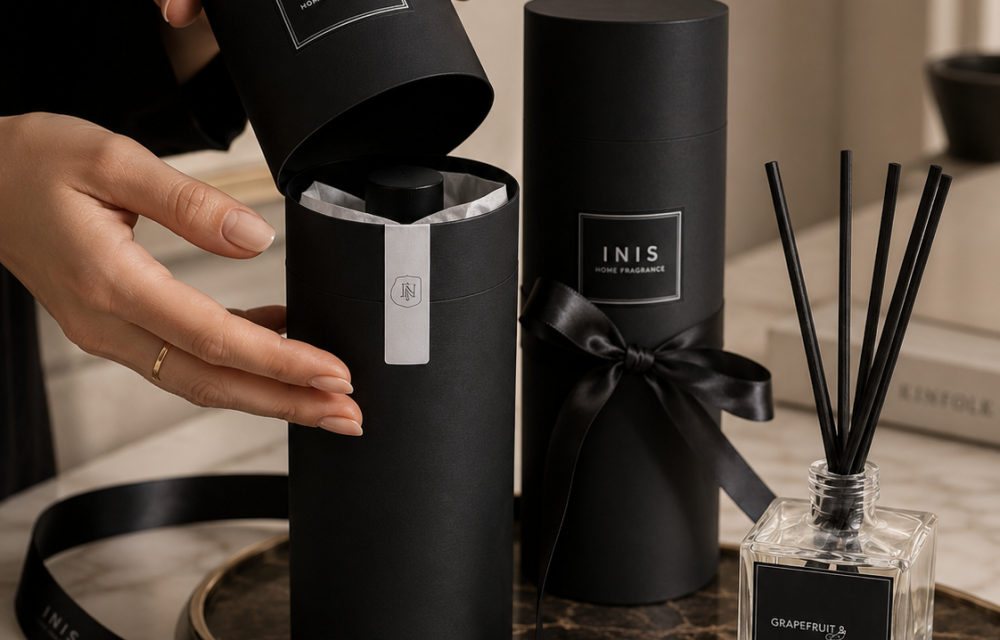
Foil embossing can lift a gift box quickly. It adds shine, texture, and a clear premium cue without needing a busy design.
Used well, foil embossing works beautifully for:
- logos
- brand marks
- short messages
- limited-edition packaging
- seasonal gifting
- luxury gift box presentation
- small areas of high-impact detail
The practical point is placement. Foil areas should not sit where they will take constant rubbing, heavy stacking pressure, or frequent label contact. Large foil panels can look striking, but they may also be more exposed to handling marks.
For busy lines, small, well-placed foil details often work harder than large decorative areas. They give the customer the sparkle without putting the whole surface at risk.
Soft Touch Coatings: Premium Feel, But Test First
Soft touch coatings can make gift boxes feel smooth, tactile, and more expensive in hand. They are popular for premium packaging finishes because they add a calm, luxury feel.
However, soft touch should always be tested under real handling conditions. Some soft touch surfaces can show fingerprints, oils, pressure marks, or rub more easily than expected, especially on darker colours.
Before approving soft touch coatings, test:
- fingerprint visibility
- rub marks from handling
- scuffing from stacking
- label contact
- packing bench friction
- colour consistency
- handling with gloves and bare hands
- performance after transit-style movement
Soft touch can be a strong choice. It just needs the same operational check as every other finish. Velvet feel, warehouse reality.

Rub Resistance Tips For High-Volume Packaging
Rub resistance is about how well the printed or finished surface stands up to friction.
In e-commerce fulfilment, rubbing can happen when boxes slide against each other, move inside cartons, pass along benches, or rub against packing materials.
Use these rub resistance tips before approving a finish.
| Check | What To Do | Why It Matters |
|---|---|---|
| Stack test | Stack boxes as they will be stored | Shows pressure marks and surface transfer |
| Slide test | Slide boxes gently across the packing bench | Simulates daily handling |
| Pick test | Pick and handle boxes repeatedly | Reveals fingerprints, scuffs, and edge wear |
| Carton test | Pack boxes into outers and move them | Shows transit rub risk |
| Label test | Apply and remove any process labels if used | Checks adhesive marks or surface lift |
| Colour test | Compare light and dark finishes | Darker finishes may show scuffs more clearly |
| Repeat test | Test more than one sample | Confirms consistency, not one lucky box |
Do not test only a perfect sample from a clean desk. Test the finish where the box will actually work.
Handling And Shipping: Where Finishes Fail
Finish damage often happens before the customer sees the box.
Common risk points include:
- boxes stored too tightly
- boxes sliding across rough benches
- staff stacking packs unevenly
- labels placed over decorative finishes
- boxes rubbing inside outer cartons
- infill pressing into the surface
- damp or humid storage areas
- heat affecting adhesives or coatings
- dark colours showing light scuffs
This is why durable finishes for high traffic areas need a full workflow view. The finish is part of the logistics framework, not a final decoration applied at the end.
A good packaging supplier should help you think through storage, handling, packing, and shipping, not just the print finish.
Humidity, Temperature And Storage Conditions
Environmental factors can change how packaging finishes behave.
Humidity may affect paper-based packaging, adhesives, labels, and surface feel. Heat can make some adhesives softer. Cold storage can make materials feel stiffer. Fast temperature changes can also affect how boxes sit, stack, or close.
For high-volume operations, keep finished gift boxes:
- in clean, dry storage
- away from direct heat
- away from damp walls or floors
- in cartons until needed
- protected from dust and rough surfaces
- stored according to supplier guidance
- rotated so older stock is used first
Long-lasting surface finishes for retail spaces are often chosen with cleaning, light, and traffic in mind. For packaging, storage and handling matter just as much.
Cost-Effectiveness: Spend Where It Prevents Waste
Premium finishes can cost more upfront, but the real question is whether they reduce waste, protect presentation, and support the customer experience.
A cheaper finish may cost less per unit, but if it marks easily, it can increase:
- rejects
- repacking
- customer complaints
- manual checks
- replacement orders
- brand inconsistency
- slowdowns on the packing line
A more durable finish may be more cost-effective if it reduces those hidden costs.
This is especially important for gift packaging wholesale, where small differences scale quickly. If you are buying in volume, test before committing. A finish that works across 100 boxes may not behave the same across 10,000 handled at speed.
Sustainability: Ask For Clear Proof, Not Vague Claims
Sustainable packaging options should be discussed with facts.
Do not assume one finish is automatically more sustainable than another. The answer depends on the board, coating, ink, foil, adhesive, recycled content, certification, and how the finished pack is handled after use.
When reviewing finishes, ask suppliers:
- what material is used?
- is recycled content available?
- are FSC-certified options available?
- does the coating affect recyclability?
- are water-based coatings available?
- can the finish be supplied consistently?
- is there documentation to support any claim?
Avoid broad claims such as “100% sustainable” unless there is formal proof. A responsible finish choice is one that meets the packaging need without unnecessary layers, weight, or waste.
Eco is not a badge to sprinkle on at the end. It is part of the specification.
How To Integrate Durable Finishes Into Fulfilment
A finish works best when it fits the operation.
Before approving a new finish, check how it affects:
- stock storage
- picking speed
- packing bench handling
- label placement
- outer carton packing
- quality control checks
- supplier lead times
- reorder consistency
- customer returns
- waste and reject handling
For packaging solutions for e-commerce, the best finish is not always the most decorative one. It is the finish that protects the brand moment while working smoothly with the line.
If you plan to create a gift box for high-volume fulfilment, involve operations early. A finish choice made only by design can create problems later. A finish choice made with design and fulfilment together has a much better chance of success.
Durable Finish Selection Checklist
Use this checklist before signing off a gift box finish.
| Question | Why It Matters |
|---|---|
| Will the finish survive repeated handling? | Protects the premium look through fulfilment |
| Does it show fingerprints easily? | Important for dark, matte, or soft touch boxes |
| Does it rub when stacked? | Reduces storage and transit marks |
| Can labels avoid decorative areas? | Prevents damage to foil, embossing, or coating |
| Does the finish suit the product value? | Keeps cost and presentation aligned |
| Can the supplier repeat it at volume? | Supports consistency across orders |
| Is the finish compatible with your sustainability aims? | Helps avoid unsupported claims or poor specification |
| Has it been tested with real packing teams? | Confirms it works outside the sample room |
| Does it slow the line? | Protects operational efficiency |
| Is the cost justified by lower waste or better presentation? | Supports commercial decision-making |
Best Practice For Testing Finishes On Busy Lines
To test premium packaging finishes properly, use a small live-style trial.
A simple test process:
- Choose two or three finish options.
- Test them on the actual box style.
- Store them as they would be stored in your warehouse.
- Ask the packing team to handle them normally.
- Pack them into outer cartons.
- Move them through a simulated despatch flow.
- Check for scuffs, rub, fingerprints, dents, and label issues.
- Compare the results against cost and supplier lead time.
- Approve the finish that performs best overall.
The “best” finish is not the one that looks nicest untouched. It is the one that still looks right after real handling.
For related visual packaging decisions, see our upcoming guide to window placement that shows product without glare.
Read Window Placement Gift Boxes
Choose Finishes That Look Good After The Line Has Finished
Durable finishes for gift boxes need to do two jobs at once. They must make the box look premium, and they must hold that look through busy fulfilment.
Foil embossing, soft touch coatings, matte, satin, and gloss finishes can all work well when chosen with handling in mind. The key is to test for rub resistance, think about storage and label placement, and choose finishes that match the product, customer expectation, and operational reality.
A finish is not just a surface. It is part of the customer experience, the packing process, and the cost picture.
Explore our luxury gift box options and speak to suppliers about durable finishes, rub resistance testing, and sustainable packaging options that suit your fulfilment flow.
Explore our range of Gift Boxes.
FAQs
What Are The Benefits Of Using Durable Finishes For Gift Boxes In E-Commerce?
Durable finishes help gift boxes keep their premium look through picking, packing, storage, and shipping. They can reduce visible scuffs, improve presentation consistency, and cut avoidable repacking or rejects.
How Do Foil Embossing And Soft Touch Coatings Enhance Brand Presentation?
Foil embossing adds shine, texture, and a premium detail to logos or short messages. Soft touch coatings add a smooth, tactile feel that can make the box feel more luxurious in hand.
What Finishes Are Most Effective For Packaging In Busy Fulfilment Environments?
Satin, well-tested matte, controlled gloss, small-area foil detail, and properly specified soft touch coatings can all work well. The most effective finish is the one that has been tested with real handling, stacking, packing, and shipping conditions.
How Can I Achieve Rub Resistance In Packaging Finishes?
Test the finish by stacking, sliding, handling, packing, and moving boxes as they would be used in fulfilment. Choose coatings, papers, and decorative details that show minimal scuffing, surface transfer, or fingerprint marking after repeated handling.
What Factors Should Be Considered When Selecting Finishes For High-Volume E-Commerce Operations?
Consider handling volume, storage conditions, box colour, label placement, supplier repeatability, lead times, sustainability evidence, and whether the finish slows the packing line. Cost per unit should be weighed against rejects, rework, and customer presentation.
How Do Different Finishes Impact The Sustainability Of Packaging?
Sustainability depends on the full specification, including board, coating, ink, foil, adhesive, recycled content, and certification. Ask for clear material information and proof before making claims about recyclability or responsible sourcing.
What Are The Operational Efficiencies Gained From Using Durable Finishes?
Durable finishes can reduce repacking, manual quality checks, damaged-looking stock, and customer complaints. They also help teams handle boxes confidently without treating every pack like a museum piece.
How Can Packaging Finishes Withstand The Rigours Of Handling And Shipping?
They need to be chosen and tested around the full fulfilment journey. That includes storage, picking, packing, outer carton movement, label contact, carrier handling, and customer delivery.
What Are The Best Practices For Integrating Durable Finishes Into Existing Logistics Frameworks?
Involve operations before final approval, test samples with real products and real handling, protect label zones, check storage needs, and confirm supplier repeatability. Keep the finish choice aligned with both brand presentation and packing speed.
How Do Finishes Affect The Overall Cost-Effectiveness Of Packaging Solutions?
A finish affects more than unit price. A durable finish may cost more upfront, but it can reduce waste, rejects, rework, and customer disappointment, making it more cost-effective across a full fulfilment run.