








 Consultations
 Box Finder
 Help Centre


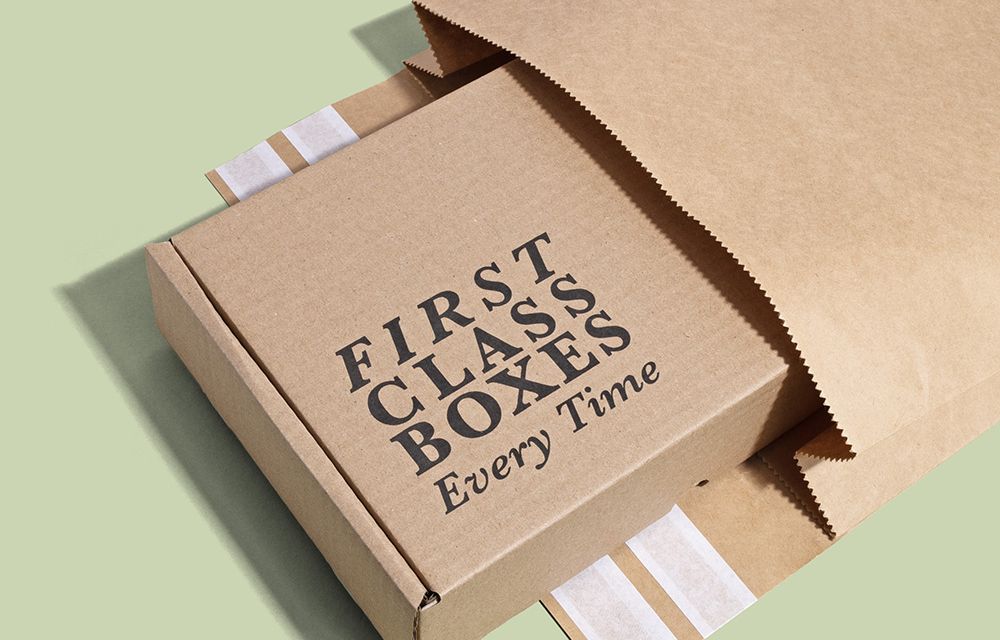
Choose the Right Flute for Strength and Weight
For cardboard postal boxes, choose your corrugated flute based on three things: product weight, fragility, and your target size band:
- Use E-flute for low-weight, letterbox friendly packaging.
- Choose B-flute for everyday small parcel postal boxes.
- Step up to C-flute for bulkier loads.
- Move to EB or BC double wall postal boxes when stacking risk or fragile glass means you need extra crush strength.
Before you roll anything out, sense-check with quick Edge Crush Test (ECT) and Box Compression Test (BCT) checks. We explain both in plain English below.
Want to explore our Postal Boxes?
Flute Basics: What Actually Changes?
Height, Cushioning and Thickness (and why that matters for bands)
A corrugated flute is the wavy middle layer inside corrugated board. That wave creates strength and cushioning.
Taller flutes give you more cushioning, but they also make the board thicker. A thicker board can push your cardboard postal box outside letterbox friendly or Small Parcel limits.
Shorter flutes keep your pack slim and print beautifully, but you may need stronger liners or a smart insert to protect the product.
Typical combined board thickness (guide only, varies by mill):
- E-flute: ~1.5–2.0 mm → ideal for letterbox friendly packaging and crisp print.
- B-flute: ~2.5–3.5 mm → the reliable all-rounder for small parcel postal boxes.
- C-flute: ~3.5–4.5 mm → more cushioning for bulkier or heavier items.
- EB (double wall): ~4.5–5.5 mm → combines E’s print quality with B’s strength.
- BC (double wall): ~6.0–7.0 mm → heavy duty for stacking and fragile glass.
Band reminder: If overall thickness is tight, keep E flute postal box formats in mind for Large Letter-style specs. For Small Parcel, B flute postal box and EB flute options usually give you enough protection without tipping you into oversize charges.
Liners, Recycled Content and Coatings (eco quick wins)
The flute is only part of the story. The liners, which are the flat outer layers, matter too.
- Kraft vs white liner: White makes colours pop. Kraft hides scuffs and gives a natural look.
- Recycled content: Ask for high recycled percentage liners with FSC® mix where required.
- Aqueous coatings: A water-based coating that improves rub resistance on printed postal cardboard boxes without using plastic lamination.
Small changes here can improve durability and keep your pack easy to recycle.
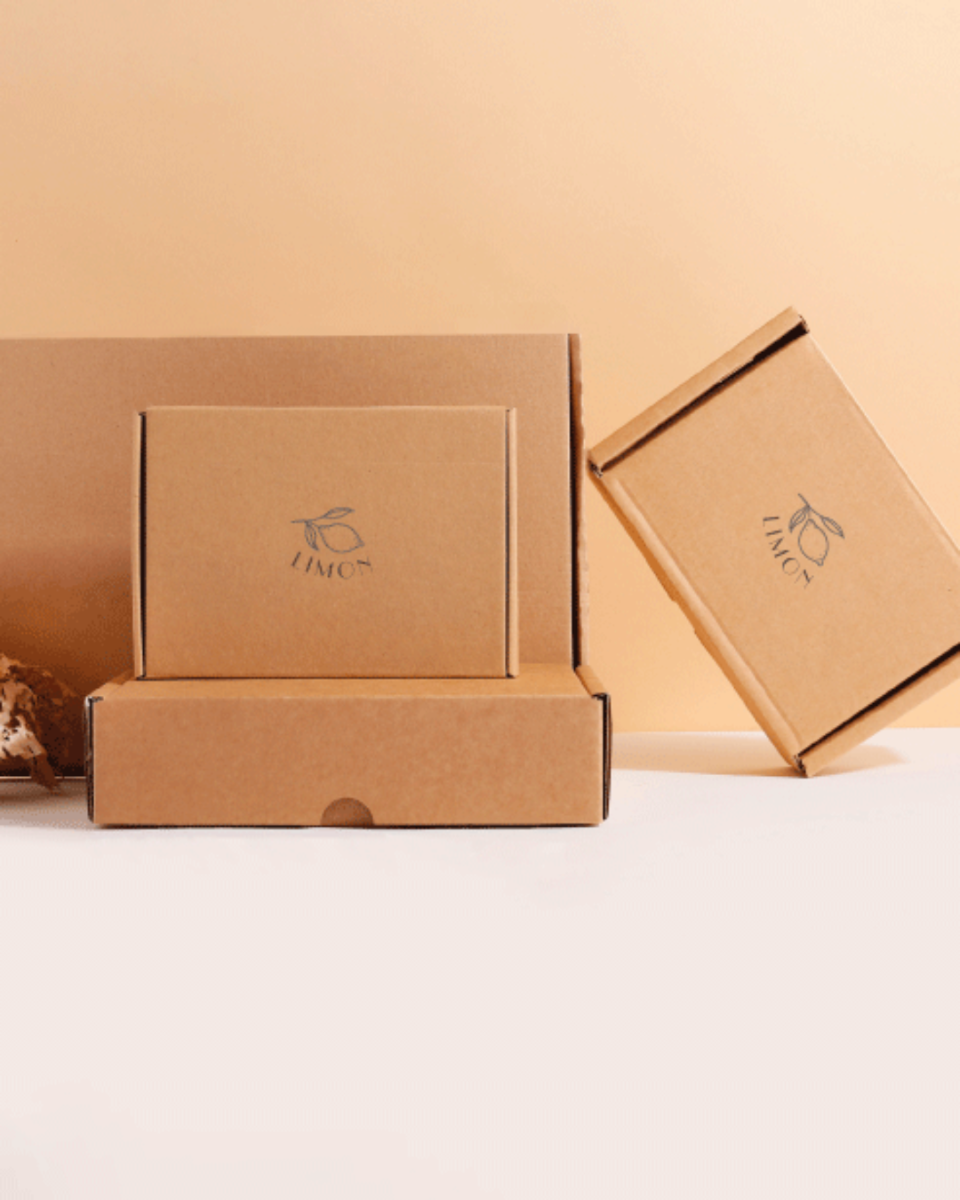
E, B, C, and the Popular Double-Walls (EB/BC)
Where each flute fits by weight and fragility
| SKU type | Typical weight | Fragility | Good / better / best flute | Notes |
|---|---|---|---|---|
| Jewellery, accessories, small gifts | ≤0.5 kg | Low–med | E / B / EB | E flute postal box for letterbox sets; add a card cradle. B if returns or stacking are likely. |
| Candles, cosmetics in glass | 0.5–1.5 kg | Med–high | B / BC | Start with a B flute postal box plus pulp tray; move to BC flute for two or more glass items or courier stacking. |
| Small apparel, soft goods | ≤1.0 kg | Low | E / B | E for the slimmest mailers; B for returns logistics or heavier knits. |
| Gift sets, mixed contents | 1.0–2.5 kg | Mixed | B / C / EB | Choose C flute postal box or EB flute if you have larger voids or multi-item sets. |
| Heavy, stacked or fragile glass | 2.5–5.0 kg | High | BC | Double wall postal boxes give you extra BCT headroom and stack strength. |
Single vs Double Wall: When to Move Up a Grade
Single wall cardboard postal boxes (E, B, C)
Stay here when:
- Products are under 1.5 kg.
- Boxes are not stacked high in transit.
- Inserts control movement properly.
Double wall postal boxes (EB, BC)
Move up when:
- Shipments exceed around 2 kg.
- You are sending multiple glass items.
- There is stacking or compression risk, for example pallets or busy courier depots.
Quick logic:
- EB flute keeps a moderate profile and strong print.
- BC flute is your maximum crush and stacking option for the toughest journeys.
Read ECT and BCT in Plain English
You do not need to be a packaging engineer to understand these.
Edge Crush Test (ECT): Measures how much pressure the board can handle on its edge before it collapses. It is a good indicator of stacking strength. Ask for ECT values with every sample.
Box Compression Test (BCT): Measures how much weight a fully made box can take from the top before failing. This is your real-world stack test.
In simple terms, ECT tells you about the board, and BCT tells you about the finished cardboard postal box.
Practical guide: For most postal cardboard boxes shipping up to 1.5 kg, a well-made B flute postal box with snug inserts usually gives enough crush protection. Step up to EB flute or BC flute when weights increase or stacking is aggressive.
Supplier check: Request recent ECT and BCT data for the exact board grade. Test a like-for-like sample in house. Same size. Same print coverage. Same insert.
Read: Edge Crush and Box Compression
Insert Swaps that Beat Foam and Keep Thickness Down
You do not always need thicker board to improve protection.
- Swap foam for moulded pulp or die-cut card cradles. They stabilise the product without adding flute thickness.
- Use paper void fill sparingly. A snug design reduces movement and keeps dimensional weight down.
- Mono-material packs, meaning box plus paper insert, simplify recycling and often reduce total grams.
Often, the right insert lets you stay in single wall cardboard postal boxes instead of moving to double wall.
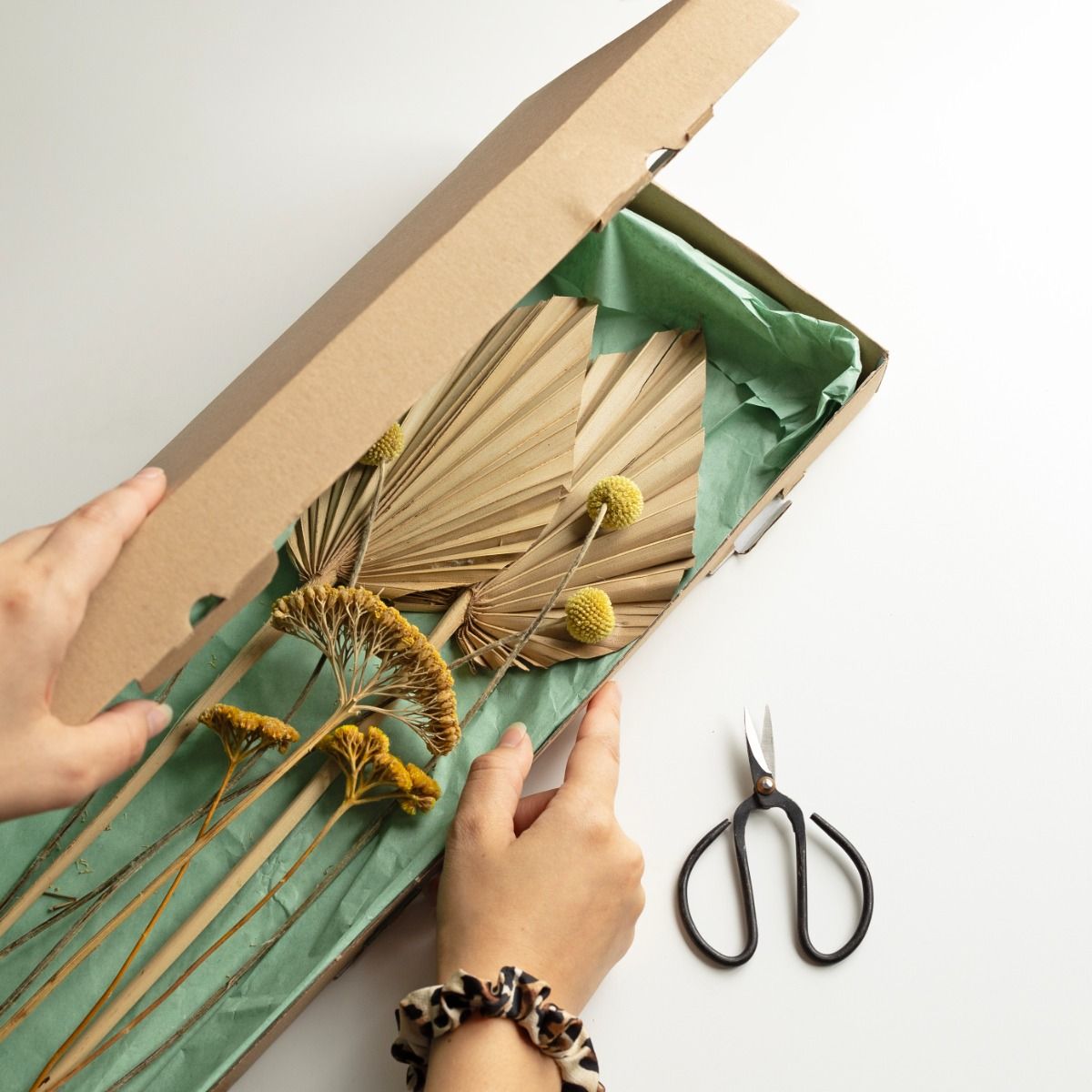
The Quick Flute Picker: Rules of Thumb
- Sub-0.5 kg, non-fragile: E flute postal box with tissue or a card fitment.
- 0.5–1.5 kg or mildly fragile: B flute postal box with pulp or card insert.
- 1.5–3 kg or multi-item glass: EB flute if profile matters, or BC flute for maximum resilience.
- Over 3 kg or depot stacking: BC double wall. Always verify BCT on your largest size.
Picker table
| Product | Target band | Suggested flute | Insert | Notes |
|---|---|---|---|---|
| Pendant and earrings set | Letterbox friendly | E | Die-cut card | Keep profile slim; protect with cradle, not bulk. |
| 220g candle in glass | Small Parcel | B | Moulded pulp | Usually passes drops; upgrade to BC for twin pack. |
| Skincare trio bottles | Small Parcel | EB | Pulp tray | EB balances print and strength; watch total height. |
| Knit scarf and accessories | Small Parcel | B | None or tissue | B handles returns and light stacking. |
| Mixed gift set, 2–3 glass items | Small Parcel | BC | Pulp tray and wrap | Double wall for extra BCT headroom. |
Prove It Before You Roll It Out
Mini drop, edge and crush tests:
- Drop test: Drop from 1 metre onto corner, edge and flat surface. Three drops. No product damage means pass.
- Squeeze test: Two-hand edge crush. The wall should not instantly collapse. Corners should hold shape.
- Stack test: Place 10–15 kg on top of a packed sample for 24 hours. No bowing panels or tape tearing.
Sample acceptance checklist
- Board grade declared: E, B, C, EB or BC.
- Liner weights confirmed.
- ECT and BCT figures supplied for the same grade.
- Printed sample checked for rub resistance.
- Internal fit tested with real SKU and insert.
- As-packed height measured against your target band.
Audit and tune
Track damage percentage and oversize charges for four to eight weeks. If damage is above 1 percent, upgrade flute or insert. If oversize charges increase, review E flute or EB flute options, or reduce insert thickness.
Need Postal Boxes to Get You Started?
Check out our range of Postal Boxes
FAQs
What’s the difference between E, B and C flutes?
E is thinner and print friendly. B is the everyday workhorse for small parcel postal boxes. C is thicker, with more cushioning for bulkier loads.
When should I choose single vs double wall?
Choose double wall postal boxes for heavier loads, multi-item glass or stacking risk. EB if profile and print matter. BC for maximum crush strength.
How do ECT and BCT relate to real-world parcel strength?
ECT measures edge resistance of the board. BCT measures how much weight the finished postal cardboard box can take from above. Use both, then drop and stack test with real contents.
Which flute keeps me inside letterbox friendly or Small Parcel bands?
E flute is best for letterbox friendly packaging. B and EB usually fit Small Parcel when sized correctly.
Is E flute strong enough for candles or cosmetics in glass?
Often yes for single items with a pulp or card insert. For twin packs or heavy stacking, move to B or BC flute.
Do pulp or card inserts let me downgrade from BC to B?
Frequently yes. Stability from a well-designed insert can remove the need for double wall while keeping thickness and grams down.
Does white vs kraft liner change strength?
Mostly appearance and scuff visibility. Strength is driven by flute type, liner weights and glue quality.