







 Consultations
 Box Finder
 Help Centre


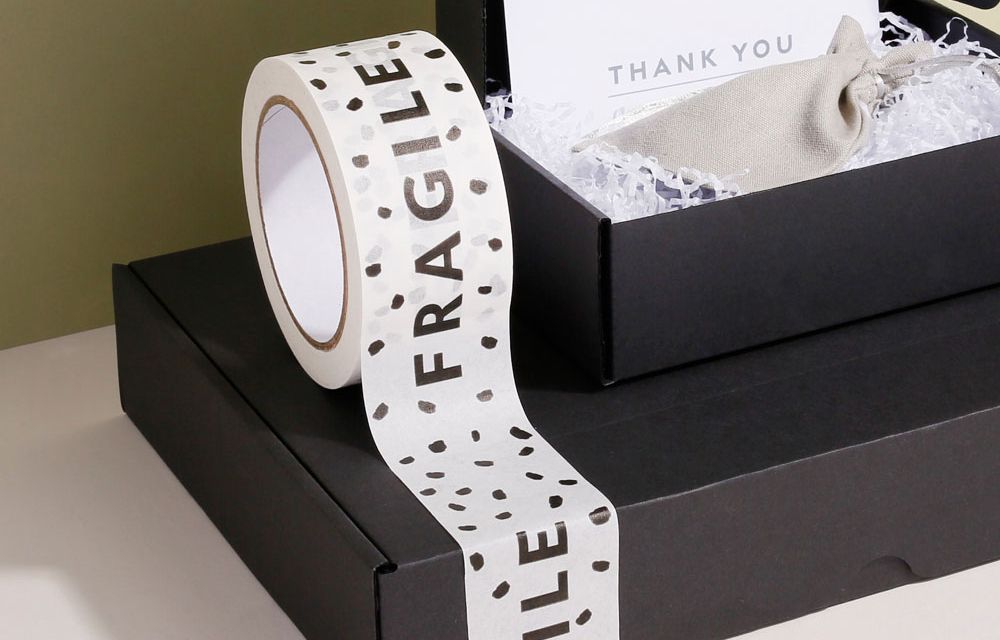
Tape Choices that Keep Boxes Closed
The best packaging tape for boxes depends on your board grade, warehouse conditions and load weight. Use hot melt packing tape for fast tack and throughput, acrylic for clean ageing, paper packaging tape for recyclability, and water activated packaging tape for heavy or high security parcels. Pair the right tape with an H-seal method and proper burnish pressure.
If you are reviewing your cartons, explore our full range of Postal Boxes.
Why Boxes Pop Open and How to Stop It
Even strong cartons fail if the sealing method is wrong. Most issues are not about the box. They are about the packaging tape or how it is applied.
The 6 common failure modes:
- Dusty or dirty liners: Tape sticks to dust, not the board.
- Fix: Wipe the seam. Consider paper packaging tape or water activated packaging tape on high recycled liners.
- Cold starts under 10°C: Adhesives stiffen and lose tack.
- Fix: Warm tape rolls and cartons. Use hot melt or water activated tape in colder spaces.
- Overfilled cartons: Flaps are under tension and push back.
- Fix: Right size the box. Use an H-seal with full edge coverage.
- Poor overlap: Less than 50 mm tail at each end.
- Fix: Aim for 50 to 75 mm overlap down both sides.
- Low burnish pressure: Tape laid on top, not bonded.
- Fix: Use firm roller pressure from your packaging tape dispenser, especially on kraft liners.
- Bridging and wrinkles: Tape spans a gap and lifts under load.
- Fix: Square the flaps first. Use H-taping to bridge the centre seam properly.
Tip: Seal over seams, not edges alone. Edges can cut package tape under load.
Tape Types Explained: Hot Melt, Acrylic, Paper and Water Activated
There is no single best packing tape packaging option. It depends on load, board and storage.
What each is best for:
| Tape type | Core benefit | Best for | Watch-outs |
|---|---|---|---|
| Hot melt PP pressure sensitive | Fast tack and strong grab | Same day dispatch, cold mornings, high throughput | Can soften in heat or UV; noisy unwind |
| Acrylic PP or PVC | Clean ageing, UV stable | Longer storage, smooth white liners | Needs more pressure; weaker below 10°C |
| Solvent rubber PP or PVC | Aggressive grab | Dusty or high recycled liners | Higher cost; check odour and compliance |
| Paper tape self adhesive | Recyclable with box; quieter | Light to medium loads; eco focused brands | Lower tack in cold; must burnish well |
| Water activated packaging tape | Fibre tearing bond; tamper evident | Heavy parcels, long storage, higher security | Needs water dispenser; slower if manual |
Water activated packaging tape, also called gummed paper tape, forms a bond with the fibres of the cardboard. When removed, it tears the surface. This makes it strong and tamper evident.
Tape Width, Thickness and Dispensers
Small details make a big difference:
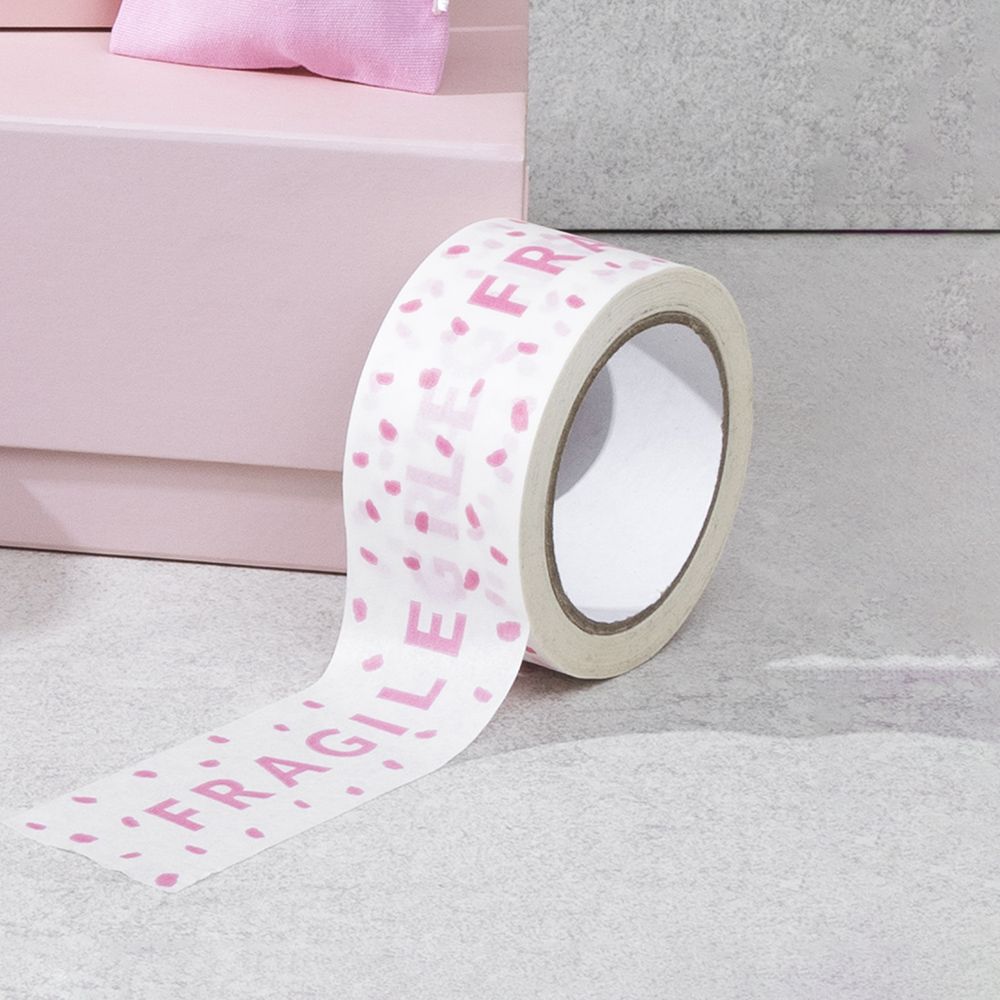
- Width: 48 to 50 mm suits most single wall cartons. Use 72 mm for double wall or wide seams.
- Film thickness in microns: 25 to 32 microns works for most e-commerce. Go 35 plus for heavier loads or rough kraft.
- Paper tape weights: 60 to 80 gsm for self adhesive. 70 to 90 gsm for water activated, reinforced for heavy boxes.
- Packaging tape dispenser choice: Use a pistol grip dispenser for speed on packing benches. Use weighted bench dispensers or water activated machines for consistency at higher volumes.
Standardising your packaging tape dispenser across lanes improves consistency and reduces over-taping.
Choose the Right Tape for Your Cartons and Loads
‘If this, then that’ picks:
| Scenario | Box and liner | Load | Recommended tape | Width | Notes |
|---|---|---|---|---|---|
| Books, same day dispatch | B-flute kraft | Up to 10 kg | Hot melt PP | 48 to 50 mm | Fast and reliable with H-seal |
| Bottles, 6 or 12 packs | BC double wall | 10 to 25 kg | Water activated reinforced | 72 mm | Strong bond resists creep in storage |
| Cold warehouse mornings | Recycled kraft | Up to 15 kg | Hot melt or solvent rubber | 50 to 72 mm | Warm tape rolls if possible |
| Long storage over 30 days | Smooth white liner | Up to 15 kg | Acrylic | 48 to 50 mm | Better UV and ageing stability |
| Eco focused, light parcels | B-flute kraft | Up to 8 kg | Paper packaging tape | 50 mm | Burnish well and use H-seal |
| High value, tamper control | Any | Up to 20 kg | Water activated printed | 72 mm | Tamper evident; consider branded print |
Single wall cartons often seal well with 50 mm tape. Double wall seams benefit from wider packaging tape for boxes and, in many cases, water activated tape.
For heavier outers such as bottle shipping cartons, see Bottle Shippers that Survive Courier Handling.
Rough Kraft vs Smooth Liners and Recycled Content
Not all cardboard surfaces behave the same:
- Rough, high recycled liners: Choose hot melt, solvent rubber or water activated packaging tape.
- Smooth coated or white liners: Acrylic performs cleanly if you apply firm pressure.
If you are adjusting board grade, review Choose the Right Flute for Strength and Weight.
The Sealing Method SOP
Strip seal vs H-taping:
- Strip seal: One central strip along the joint. Only suitable for light boxes with low internal pressure.
- H-taping: One central strip plus two edge strips across the end flaps, forming an H shape. Use this for most parcels and all courier routes.
60-second routine for the bench:
Print this near your packing line.
- Prep carton. Brush the seam and square the flaps.
- Close and hold. Keep the joint flat.
- Apply centre strip. Start 50 to 75 mm down one side, over the seam, and 50 to 75 mm down the far side.
- Apply edge strips. Seal each end across the flap edges.
- Burnish firmly using the roller on your packaging tape dispenser.
- Quick checks. Peel and snap the tail lightly. Check for edge lift and wrinkles.
- Label safe zone. Avoid placing labels directly over tape seams to prevent lift and scanning issues.
Cold or humid fix: Store a day’s worth of packing tape in a warmer room. Keep cartons off cold floors. Wipe away condensation before sealing.
Sustainability Without Cartons Splitting
When paper tape is enough:
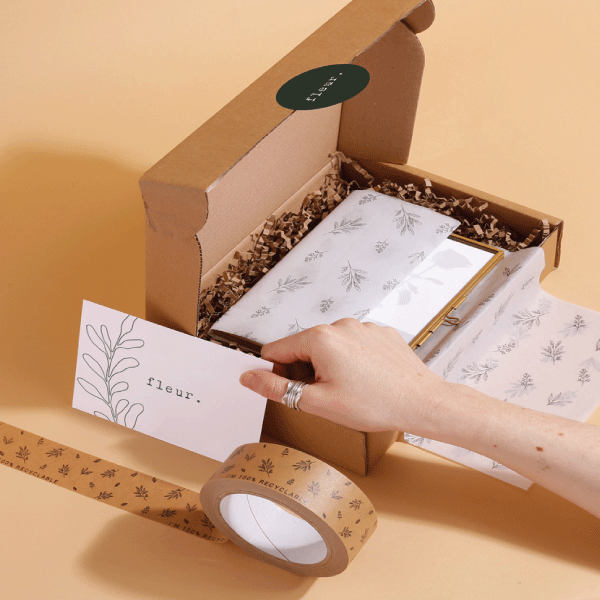
Paper packaging tape works well for light to medium cartons with good flap alignment and fast dispatch.
When to step up to water activated:
Use water activated packaging tape for:
- Heavy loads
- Long storage
- Tamper sensitive shipments
- Double wall cartons under stacking pressure
Reinforced gummed tape performs especially well where creep under load is a risk.
Reduce tape use by fixing the root cause:
- Right size your cartons to avoid bowed flaps.
- Train staff to apply one proper H-seal instead of three random strips.
- Standardise tape width per packing lane to stop over-compensation.
Good process reduces tape usage and cost.
Troubleshooting Chart
| Symptom | Likely cause | Fix |
|---|---|---|
| Edge lift | Dust, cold or low pressure | Wipe seam, warm tape, burnish firmly, switch to hot melt or water activated |
| Wrinkle bridging | Tape over bowed flaps | Re-square flaps, use H-seal, reduce overfill |
| Split seam | Short tails or narrow tape | Use 50 to 75 mm tails, step up to 72 mm or water activated |
| Tape peel after storage | Adhesive ageing or UV exposure | Use acrylic for long storage, avoid hot windows |
| Noisy unwind or fatigue | Cheap hot melt | Switch to low noise acrylic or paper |
| Paper tape lifting in cold | Low initial tack | Warm rolls, increase pressure, consider water activated |
If you are reviewing your cartons, explore our full range of Postal Boxes.
FAQs
What is the difference between packing tape and packaging tape?
In practice they are used interchangeably. Both refer to tape used to seal cardboard boxes.
What is the best tape to use for packing boxes in the UK?
For most parcels, hot melt PP or paper packaging tape with an H-seal works well. For heavy or long stored boxes, choose water activated packaging tape.
Is clear or brown packing tape better?
Colour does not determine performance. Adhesive type and liner match matter more.
Why is my packing tape not sticking to boxes?
Check for dust, cold conditions, overfilled cartons, short tails and low burnish pressure. Switch adhesive if needed.
What does packing tape not stick to?
Dusty, oily or very recycled liners without pressure. Cold or wet surfaces. Wrinkled seams.
Can I use masking tape to mail a package?
Not recommended. Masking tape has low tack and poor ageing performance.
How do you seal a box without packing tape?
Water activated tape is paper based and recyclable. For fully tape free options, use self locking mailers.
What tape is safe to use on paper?
Paper packaging tape or acrylic applied with light pressure. Always test on printed surfaces first.