




 Consultations
 Box Finder
 Help Centre


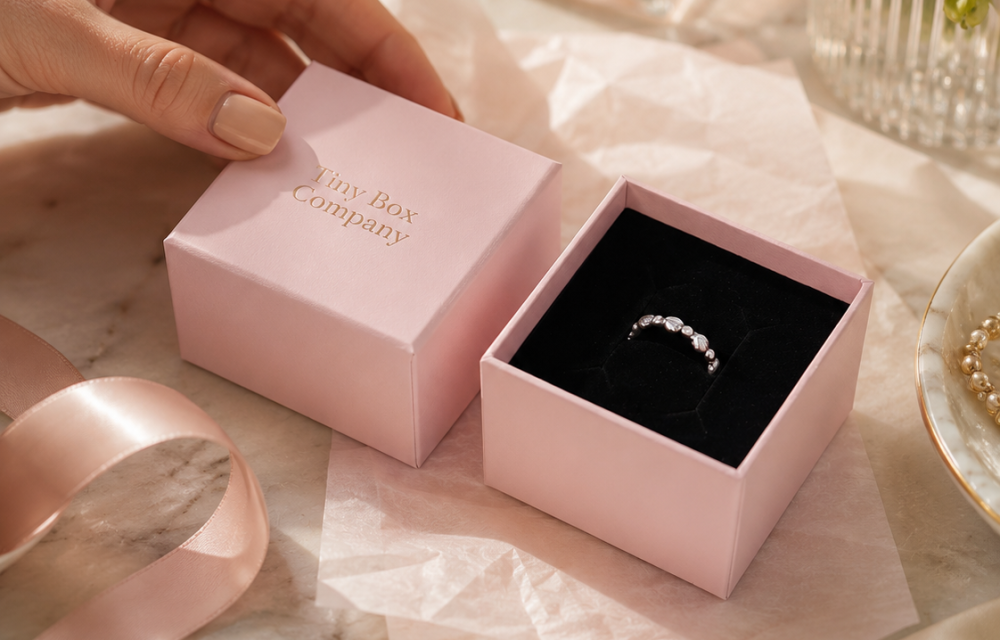
The Importance Of Cutouts In Jewellery Boxes For Artisan Makers
Handcrafted jewellery deserves packaging that behaves beautifully. Not just “looks pretty on the table at a craft fair” beautiful, although we are very much here for that. Beautiful in the practical sense too: secure, easy to open, gentle on delicate settings, and simple enough to use during a busy market morning.
That is where claw and stone protective cutouts earn their keep. In artisan jewellery boxes, the right cutout helps hold a ring, pendant, earring, or charm in place while leaving enough space for fingers to lift the piece without dragging it across the insert. Less scraping, less snagging, less holding-your-breath as a customer removes a handcrafted piece.
For independent makers, small batch retailers, and growing UK jewellery brands, cutouts for claw and stone protection can make the difference between packaging that simply contains the product and packaging that quietly says, “This has been made with care.”
Need Jewellery Gift Boxes to get you started?
What Are Jewellery Box Cutouts?
Jewellery box cutouts are shaped spaces, slits, channels, tabs, or finger lifts built into an insert to hold jewellery securely while protecting raised settings, claws, stones, posts, and chains.
To protect delicate jewellery, a good cutout should:
- Hold the item still without crushing or bending it.
- Leave space around claws, stones, and raised settings.
- Let customers remove the piece without scraping it.
- Keep the jewellery centred for a better unboxing experience.
- Match the material, size, and finish of the product being packed.
Why Cutouts Matter For Artisan Jewellery
When you make or curate jewellery by hand, tiny details carry a lot of value. A raised claw, a hand-set stone, a textured band, or a polished pendant face can all be vulnerable to scuffs if the insert is too tight, too flat, or too awkward to use.
A protective cutout gives the piece a proper resting place. It also makes the removal moment smoother. Instead of pinching at a ring or dragging a pendant across the pad, your customer can lift it neatly from the box. That matters because the first touch is part of the product experience.
Good packaging should protect the piece, make the customer feel confident, and help the jewellery arrive looking exactly as it did on your bench, display stand, or packing table.
How Cutouts Protect Claws And Stones
Claws and stones need space. If the insert presses too closely around a setting, the jewellery can move against the surface during handling or transit. If the cutout is poorly placed, the customer may have to pull the piece from the most delicate point.
Artisan cutouts for claws and stones solve this by supporting the jewellery around its safer contact points. For a ring, that might mean holding the shank rather than putting pressure around the stone setting. For earrings, it may mean placing post holes or slits so the front detail sits proud, not squashed. For pendants, it may mean a channel that keeps the chain tidy while the stone or charm remains framed.
The best cutouts are not over-engineered. They are just thoughtfully placed. Small box, smart thinking.
The Easy-Removal Rule
One of the most useful features in protective packaging is a finger lift. This is a small space beside or beneath the jewellery that lets customers remove the piece without rubbing it against the insert.
For delicate items, the easy-removal rule is simple: if someone has to dig, pinch, tug, or twist, the cutout is not working hard enough.
A good removal design should:
- Give fingers enough access.
- Keep claws away from friction points.
- Avoid forcing stones against the insert surface.
- Let the product lift out in one smooth movement.
- Still keep the piece secure while the box is closed.
This is especially important for rings with raised settings, claw-set stones, studs, small hoops, pendants, and charm jewellery.
Cutout Types For Claw And Stone Protection
| Cutout Type | Best For | Why It Works |
|---|---|---|
| Ring slit | Rings and bands. | Holds the shank while helping the stone sit upright. |
| Finger lift | Rings, pendants, brooches, and charms. | Allows gentle removal without scraping the piece. |
| Post holes | Stud earrings. | Keeps pairs aligned and protects front details from movement. |
| Chain channel | Necklaces and pendants. | Helps reduce tangling and keeps the pendant centred. |
| Tab-and-slot design | Bracelets, charms, and mixed sets. | Holds shaped pieces neatly without covering key details. |
| Layered foam cutout | Raised settings and heavier pieces. | Creates depth around stones, claws, and textured surfaces. |
For makers using foam inserts for boxes, a well-cut insert can combine cushioning, presentation, and product hold in one neat piece.
Best Materials For Protective Cutouts
The material matters as much as the shape. A clever cutout in the wrong material can still scuff, shed fibres, mark polished surfaces, or make the jewellery difficult to remove.
Common options include:
| Material | Good For | Watch-Out |
|---|---|---|
| Flocked foam | Rings, studs, pendants, and small batch ranges. | Check fit, fibre transfer, and density before ordering volume. |
| Recycled cotton-style inserts | Softer presentation and lighter jewellery. | Test against polished metals and stones. |
| Card inserts | Lightweight pieces, earrings, and minimalist branding. | Needs accurate cuts and enough strength around holes. |
| Velvet-style pads | Premium gift presentation. | Can attract lint and needs careful handling. |
| Tissue or wrap layers | Extra protection during transit. | Use suitable grades and avoid over-wrapping delicate claws. |
For artisan jewellery boxes, acid-free materials can be worth considering, especially for storage, gifting, or pieces that may sit in packaging for longer periods. Conservation guidance commonly recommends acid-free materials for covers and boxes used to protect archive items, although the exact material choice should suit the item being stored.
Food-safe packaging is a different requirement. It only applies where packaging materials are intended to come into contact with food, such as chocolate, coffee, or edible gift bundles. The Food Standards Agency explains that food contact materials are materials and articles that come into contact with food during production, processing, storage, preparation, or serving.
For jewellery, ask your packaging suppliers for the right evidence for your product type: material specification, recycled content, FSC certification where relevant, food-contact confirmation where needed, and any care guidance for metallic or stone-set pieces.
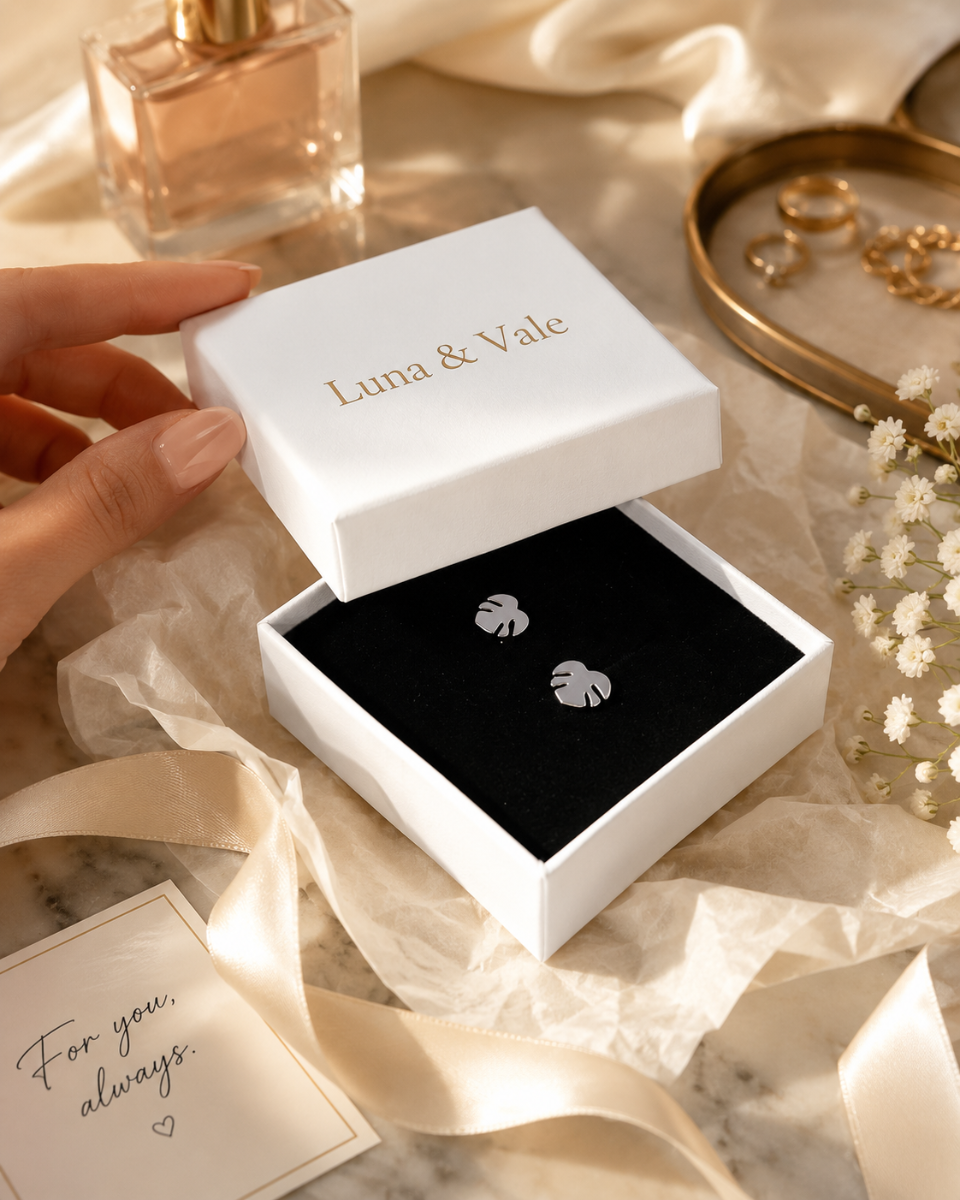
Small Batch Packaging: Why Flexibility Matters
Independent makers rarely need packaging production that assumes tens of thousands of identical units from day one. You may need 50 ring boxes for a market, 100 pendant boxes for Christmas, or a small run for a new collection on Etsy.
That is why small batch packaging should be practical before it tries to be fancy. The right cutout should assemble quickly, store neatly, and work across more than one product where possible. It should also help you avoid waste caused by poor fit, damaged packaging, or inserts that only suit one very specific design.
Look for:
- Low or no minimum order options where available.
- Insert shapes that suit several pieces in your range.
- Neutral colours that work across seasonal collections.
- Materials that match your brand values without making vague eco claims.
- Boxes and inserts that are easy to pack during busy sales periods.
This is where good packaging suppliers can make life easier. You want the lovely bit, the brand moment, but you also need the practical bit: boxes that stack, inserts that fit, and a packing process that does not turn your kitchen table into a tiny cardboard avalanche.
Eco-Friendly Packaging Without Over-Claiming
Eco-friendly packaging is important to many artisan makers, but the claim has to be handled carefully. The UK Green Claims Code says environmental claims should not mislead consumers and should help them make informed choices.
So, instead of saying a jewellery box is “100% sustainable” without evidence, use clearer wording such as:
- “Made with recycled content,” where the percentage is confirmed.
- “FSC-certified options available,” where certification applies.
- “Plastic-free outer packaging option,” where the full pack supports that claim.
- “Recyclable board,” where local recycling routes and material construction support it.
This keeps the message strong and honest. Eco is not a costume for your packaging to wear. It is a specification to get right.
How Cutouts Improve The Unboxing Experience
The unboxing experience is not only about ribbons, tissue, and a thank-you card, although those are lovely. It is also about how confidently the product appears when the lid opens.
A good cutout keeps the jewellery in the right position. The stone faces forward. The earrings line up. The chain stays calm. The customer sees the piece as you intended, not tangled in the corner of the box having a small identity crisis.
For artisan makers, this is especially valuable because packaging often does the selling after the sale. A customer may photograph the parcel, gift it to someone else, or keep the box for storage. Well-designed cutouts give your brand a more polished feel without needing overly complex packaging.
Practical Design Tips For Protective Cutouts
Start With The Jewellery, Not The Box
Measure the product first. Note the height of stones, the position of claws, the width of the band, the length of posts, and any areas that should not be pressed.
Leave Space Around Raised Settings
Raised stones need breathing room. If the cutout grips too close to the head of a ring or pendant setting, it can create rubbing points.
Add A Finger Lift
A small half-moon cutout or side gap can make removal feel smooth and considered. It also reduces the temptation to pull from a delicate claw or chain.
Test With Real Handling
Pack the item, close the box, shake it gently, reopen it, and remove the piece as a customer would. Then repeat with slightly hurried hands, because market days and postal cut-offs are real life.
Check The Surface After Removal
Look for marks on polished metal, lint on stones, fibre transfer, bent earring posts, or flattened settings.
Match The Insert To The Sales Channel
A retail display piece may need visual drama. A posted order may need firmer hold. A gift set may need separate cutouts for each item, so nothing knocks against anything else.
A Quick Selection Guide By Jewellery Type
| Jewellery Type | Recommended Cutout | Why It Helps |
|---|---|---|
| Rings With Claw-Set Stones | Use a ring slit that supports the shank, with space around the setting. Add a finger lift so the customer does not pull from the stone. | Protects the setting while making removal easier. |
| Stud Earrings | Use clean post holes or paired slits. Make sure the fronts sit neatly and the backs do not press too hard against the lid or base. | Keeps the pair aligned and reduces pressure on front details. |
| Drop Earrings | Use a card or foam insert that supports the hook or post while allowing the drop to hang or rest without bending. | Helps protect delicate movement and shape. |
| Pendants | Use a chain channel or small tabs to keep the chain tidy. Leave the pendant face visible and avoid pressing directly on the stone. | Reduces tangling and keeps the hero detail visible. |
| Bracelets | Use a shaped cutout, cushion, or tab system that holds the curve without flattening decorative details. | Supports the bracelet shape without hiding key features. |
| Mixed Gift Sets | Use separate sections so pieces do not rub together. | Useful for small batch gifting, bridal party sets, and limited collections. |
Common Mistakes To Avoid
| Mistake | Why It Causes Problems | Better Approach |
|---|---|---|
| Cutout too tight | Can rub claws, stones, or polished surfaces. | Allow space around raised areas. |
| No finger lift | Customers pull from delicate points. | Add a side gap or half-moon lift. |
| Flat insert for raised stone | Stone presses against the surface or lid. | Use depth, layering, or a raised support. |
| One insert for every item | Fit becomes inconsistent across products. | Group products by shape and depth. |
| Vague eco wording | Claims may be hard to evidence. | Use specific, supported material claims. |
| Too much packaging | Adds cost, storage, and waste. | Protect well, but keep the design efficient. |
Our Recommendations
For artisan jewellery makers, claw protection cutouts and stone protective cutouts are small design choices with a big job. They help protect delicate details, make removal easier, improve presentation, and create an unboxing experience that feels worthy of the work inside.
Start with the jewellery, then choose the insert. Test the fit, check the lift, and keep your material claims specific. Your packaging does not need to shout. It just needs to open beautifully, protect properly, and make your customer feel they bought something special.
Explore Tiny Box Company’s foam inserts for boxes, and when you’re ready to go deeper into care-led packaging, read Anti Tarnish Solutions That Actually Help.
FAQs
What Are Cutouts In Jewellery Boxes And How Do They Protect Delicate Claws And Stones?
Cutouts are shaped spaces, slits, tabs, channels, or finger lifts within a jewellery box insert. They protect delicate claws and stones by holding the piece securely while leaving space around raised or fragile areas.
Why Is It Important For Artisan Makers To Use Cutouts In Their Packaging?
Artisan makers often sell pieces with hand-finished details, stone settings, textured surfaces, or delicate posts. Cutouts help protect that work during display, gifting, and delivery, while making the packaging feel more professional.
How Do Cutouts Help With Easy Removal Without Scuffing?
A good cutout gives the customer somewhere to place their fingers, so they can lift the jewellery rather than drag it. This reduces rubbing against the insert and helps protect polished surfaces, claws, stones, and chains.
What Materials Should Be Used For Cutouts To Ensure They Are Acid-Free And Food-Safe?
For jewellery, consider acid-free or suitable protective materials where long-term contact matters. Food-safe materials are only needed when packaging will come into contact with food, such as chocolates, coffee, or edible gift sets, and should be backed by supplier confirmation.
How Can Packaging Solutions Enhance The Presentation Of Artisan Goods?
Good packaging frames the product, keeps it centred, and makes the reveal feel intentional. For artisan jewellery, a protective cutout can make a handmade piece look more polished without hiding its character.
What Are The Benefits Of Small Batch Production Packaging For Handcrafted Jewellery?
Small batch packaging lets makers test fit, colour, material, and customer response before placing larger orders. It also helps reduce unused stock and gives brands more flexibility across seasonal or limited collections.
How Do Cutouts Contribute To A Memorable Unboxing Experience?
Cutouts keep jewellery facing the right way when the box opens. That makes the first impression cleaner, calmer, and more giftable, which can encourage customers to photograph, share, and remember the moment.
What Should Independent Retailers Consider When Selecting Packaging For Delicate Items?
Retailers should consider product fit, insert material, ease of removal, storage space, order quantities, assembly time, and sustainability claims. The packaging should protect the item and still feel aligned with the brand.
How Can The Right Packaging Elevate A Brand Image For Artisan Makers?
The right box makes the product feel more valuable, considered, and ready to gift. It shows that the maker has thought about the whole journey, from bench to box to customer.
What Are The Best Practices For Designing Jewellery Boxes With Protective Cutouts?
Measure the jewellery carefully, allow space around raised settings, add a finger lift, test for movement, and check for scuffing after removal. Always sample with the real product before ordering larger quantities.