





 Consultations
 Box Finder
 Help Centre


Flocked Foam Vs Velvet Pads: Choosing The Right Insert For Jewellery Boxes
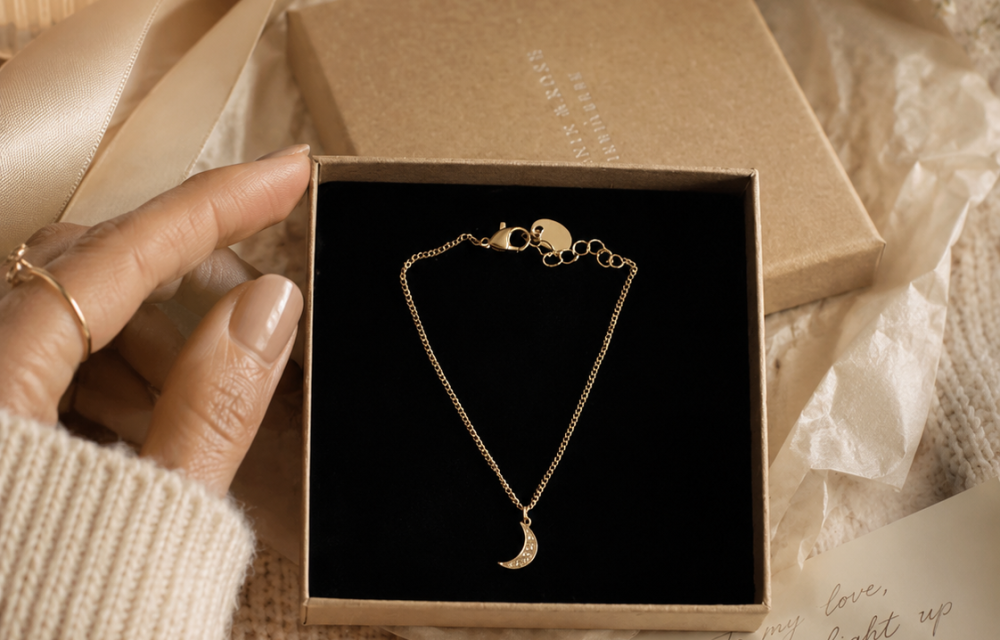
In high end jewellery packaging, the insert is not just the bit that stops the ring wobbling about. It is the first surface your customer sees, touches, and trusts. The right pad can make a pendant feel perfectly placed, a pair of studs feel considered, and a bracelet feel like it has arrived exactly where it belongs.
When comparing flocked foam vs velvet pads for jewellery, the decision usually comes down to four things: feel, precision, lint behaviour, and the type of jewellery being displayed. Both can create a beautiful luxury unboxing experience, but they do different jobs brilliantly.
For C-suite teams reviewing packaging design across jewellery, beauty, and fashion, the smartest answer is rarely “which material looks most premium?” It is “which material protects the product, presents the brand, scales across fulfilment, and supports our sustainability claims without over-promising?”
Need jewellery boxes to get started?
Featured Snippet: Flocked Foam Vs Velvet Pads In Brief
Flocked foam is a soft foam insert finished with short flock fibres, creating a velvety surface with cushioning and precise cut-out potential. Flocking uses fine fibres applied to an adhesive-coated surface, often with electrostatic alignment, to create a consistent pile finish.
Velvet pads are fabric-covered inserts with a plush pile surface, chosen for visual depth, softness, and traditional luxury appeal. Velvet has a directional pile, which gives it richness and sheen, but also means cutting direction, handling, and lint control matter.
For most jewellery packaging programmes:
- Choose flocked foam for sharp slots, repeatable cuts, cushioning, and lower-maintenance display.
- Choose velvet pads for soft visual drama, heritage luxury, and pieces where the fabric is part of the brand theatre.
- Choose a hybrid when you need foam structure with a velvet-style surface.
- Always sample with the actual jewellery before committing to volume production.
Why The Insert Material Matters
Packaging is a multisensory interface. It signals quality through sight, touch, movement, texture, and reveal before the product is even worn. Recent research on multisensory packaging found that colour, texture, scent, and unboxing interaction can shape perceived quality, emotional response, and economic valuation.
That matters for presentation jewellery boxes because jewellery is often bought as a gift, milestone, or status piece. The insert has to do three jobs at once: protect the item, frame it beautifully, and make the customer feel the brand has thought of everything. Tiny box, big pressure.
Surface Feel: Smooth Precision Or Plush Theatre
Flocked foam has a neat, uniform feel. The foam underneath gives gentle cushioning, while the flocked surface adds softness without the deeper nap of velvet. It feels clean, controlled, and modern, especially in black, charcoal, ivory, or brand-matched shades.
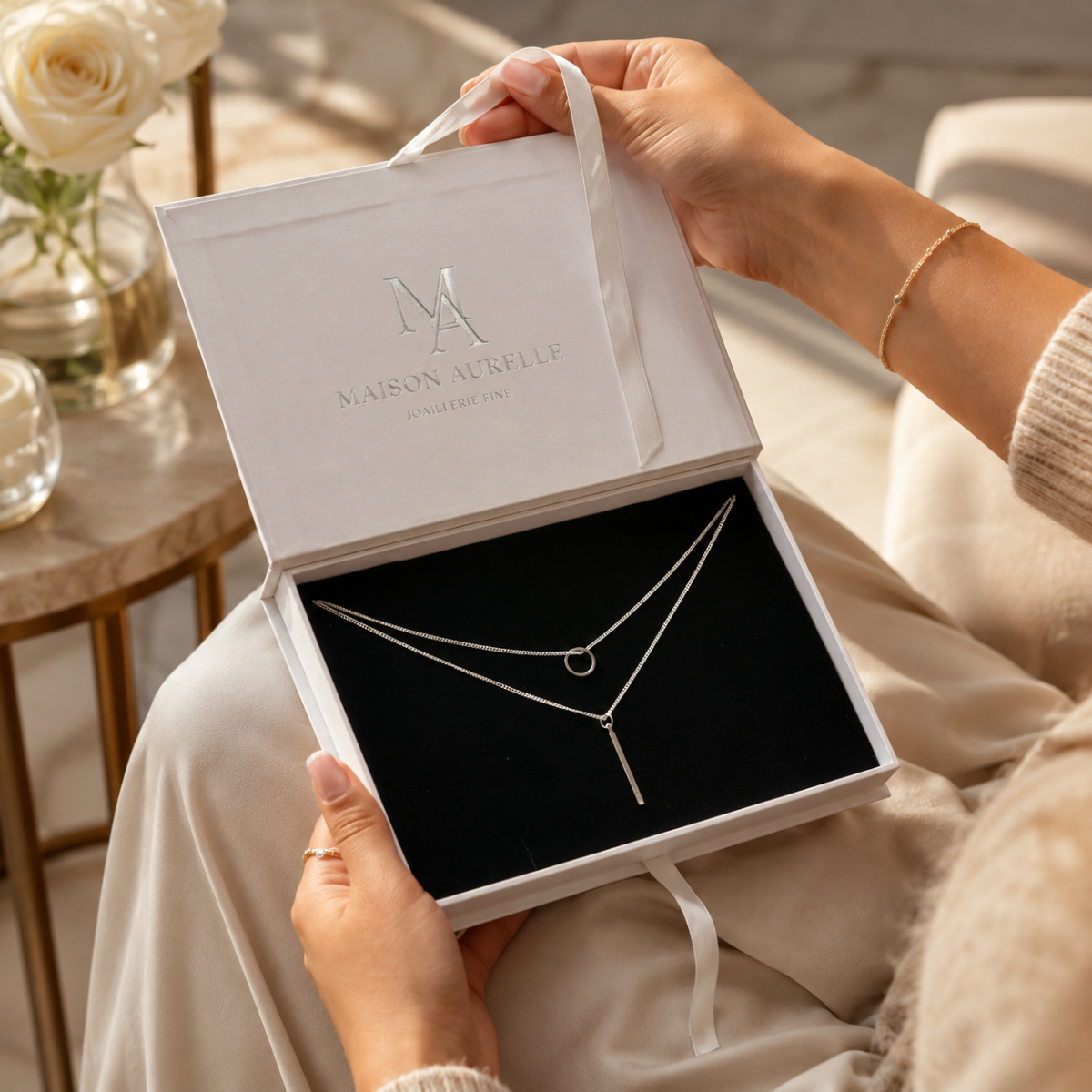
Velvet pads feel plusher and more traditional. Their pile catches light in a more dramatic way, creating depth and richness. That makes velvet a strong choice for engagement rings, diamonds, heirloom pieces, and ranges where the brand wants a more ceremonial reveal.
The decision is really about brand language. Flocked foam says polished, precise, and quietly premium. Velvet says romantic, heritage, and high-touch. Neither is automatically better. The best padding material for jewellery display is the one that makes the piece look more desirable without stealing the spotlight.
Cut Precision: Where Flocked Foam Pulls Ahead
One of the biggest advantages of flocked foam in jewellery packaging is cut precision. Foam can be shaped, slit, layered, and die-cut to hold rings, earrings, necklaces, pendants, and bracelets in place. Tiny Box Company’s foam insert range is positioned for jewellery and gifts, with customisable, protective presentation uses.
This makes flocked foam especially useful when the jewellery has movement risk. Think fine chains, studs, claws, stones, and delicate pendant drops. A clean slot or cut-out can reduce shifting in transit and make fulfilment more consistent.
Velvet pads can still be shaped, folded, stitched, and wrapped around forms, but they are less forgiving when tight repeatability matters. The nap direction, fabric tension, and glueing or wrapping method all affect the final appearance. For high-volume lines, even a small variation can become visible across thousands of units.
For stone-set pieces, the next level of insert thinking is cutouts that protect claws and stones. The material matters, but so does the geometry.
Want to read more on Protecting Claws And Stones In Jewellery Boxes?
Lint Behaviour: The Detail Customers Notice
Jewellery shows lint. That is the slightly annoying truth, especially on polished metals, dark stones, glassy gems, and mirror-finish plating.
Flocked foam usually offers a tidier day-to-day presentation surface because the fibres are short and bonded to the substrate. It should still be sampled and rub-tested, especially on darker colours, but it is often easier to control across packed stock.
Velvet pads can attract dust and lint because of their dense pile structure. Velvet’s pile is also vulnerable to pressure marking, crushing, and directional shading, which means handling and storage standards need to be tighter.
For flagship gifting, velvet can be worth that extra handling. For e-commerce, seasonal peaks, and jewellery box UK fulfilment where speed and consistency matter, flocked foam can be the calmer choice.
Protection And Cushioning
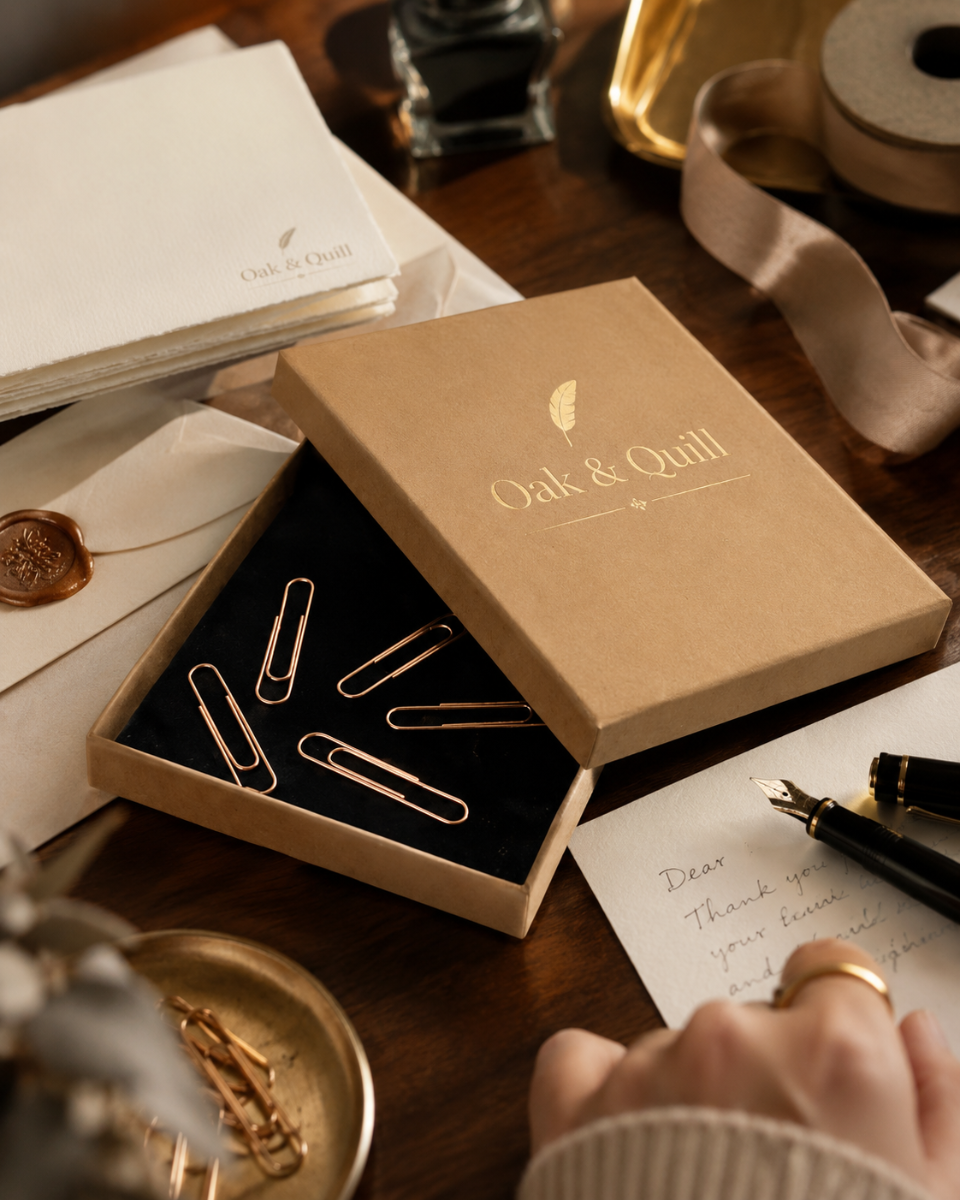
Foam brings structure. It absorbs light pressure, holds shape, and can be specified in different densities depending on the product weight and presentation style. Custom foam inserts are commonly used to cradle products, prevent movement, and protect during delivery or display.
Velvet brings softness. It is kind to surfaces and creates a beautiful resting point, but the pad construction underneath does most of the protective work. A velvet-covered card, cushion, or foam core can feel premium, but the performance depends on what sits below the fabric.
- For earrings and studs, flocked foam often wins when alignment matters.
- For necklaces and pendants, flocked foam can reduce drift and tangling when designed with channels, tabs, or discreet slits.
- For rings, both materials can work beautifully: flocked foam for secure, repeatable grip, velvet for that proposal-box pause.
Comparison Table: Flocked Foam Vs Velvet Pads
| Decision Area | Flocked Foam | Velvet Pads |
|---|---|---|
| Surface feel | Soft, neat, uniform, modern. | Plush, rich, traditional, dramatic. |
| Cut precision | Excellent for slits, slots, layers, and cut-outs. | Good, but more dependent on fabric handling. |
| Lint behaviour | Usually easier to control when properly specified. | More likely to attract dust and lint due to pile. |
| Best for | Rings, studs, pendants, lightweight sets, and e-commerce fulfilment. | Engagement rings, gifting, heritage collections, and showroom reveal. |
| Operational fit | Strong for repeatability and scaled packing. | Strong for premium theatre, but needs tighter handling. |
| Brand feel | Clean, precise, confident. | Romantic, tactile, classic. |
| Watch-out | Can look functional if colour, density, or finish is not elevated. | Can mark, shade, or lint if poorly stored or handled. |
When To Choose Flocked Foam
Choose flocked foam when your priority is precision, protection, and repeatability.
It is especially strong for multi-SKU jewellery packaging solutions where the insert has to work across several product shapes. Rings, earrings, studs, charms, and pendants all benefit from secure cuts that keep the piece centred and calm inside the box.
Flocked foam is also a smart option for packaging strategies for fashion brands that include jewellery as part of a broader accessory range. It can help standardise the inner fit across campaigns, reduce movement during handling, and create a premium packaging option without relying on heavier fabric construction.
Best use cases include:
- High-volume e-commerce jewellery lines.
- Stud earrings and small pieces that need neat alignment.
- Fine chains that need discreet holding points.
- Gift sets requiring several items in one box.
- Brands wanting a clean, modern luxury finish.
When To Choose Velvet Pads
Choose velvet pads when the insert is part of the emotional reveal.
Velvet suits jewellery with heritage, romance, or high perceived value. It brings instant softness and visual depth, especially in darker shades such as black, navy, burgundy, and forest green. It is a natural fit for engagement rings, bridal pieces, keepsake gifts, and elevated retail displays.
The trade-off is handling. Velvet needs careful storage, consistent nap direction, and lint control. If your fulfilment operation is moving at peak-season speed, set clear packing standards so every customer gets the same polished result.
Best use cases include:
- Engagement and bridal jewellery.
- Diamond, gemstone, and heirloom-style pieces.
- Boutique showroom presentation.
- Limited-edition gift packaging.
- Brands with a soft, romantic, or heritage-led identity.
Sustainability In Packaging: Be Specific, Not Sweeping
Sustainability in packaging is not won by choosing the material that sounds nicest. It is won by specifying clearly, reducing unnecessary material, testing durability, and making claims that can be evidenced.
In the UK, the Green Claims Code says environmental claims must be truthful, clear, and substantiated. The CMA’s 2026 supply-chain guidance also reminds businesses that environmental claims passed through the supply chain still need proper checks.
For jewellery inserts, that means avoiding broad phrases such as “100% sustainable” unless you have formal evidence. Better claims might include “FSC-certified paperboard options,” “recycled content where specified,” or “plastic-free outer box options,” but only when the material, percentage, and certification are confirmed. FSC UK notes that FSC packaging certification can help evidence sustainability policies and support FSC claims where chain-of-custody requirements are met.
For UK and EU-facing brands, recyclability reporting and packaging regulations are also becoming more structured. Under UK extended producer responsibility, liable producers must assess the recyclability of certain packaging and report results, while the EU Packaging and Packaging Waste Regulation entered into force in 2025 and applies from 12th August 2026.
The practical takeaway: assess the whole pack, not just the pad. A recyclable outer box paired with a mixed-material insert may still need careful explanation.
How To Test Insert Materials Before Rollout
Before choosing between flocked foam and velvet pads, run a sample test with the real jewellery, real box, and real fulfilment process.
Use this checklist:
- Surface test: Does the jewellery glide, snag, or mark the material?
- Lint test: Does lint transfer after packing, unpacking, and light rubbing?
- Shake test: Does the item stay centred after transit simulation?
- Cut test: Are claws, stones, chains, and posts protected?
- Light test: Does the material colour flatter the jewellery under store and home lighting?
- Handling test: Can packing teams load it quickly without fingerprints, crushed pile, or misalignment?
- Claims test: Can every sustainability statement be supported with supplier documentation?
That final point is not glamorous, but it is very grown-up jewellery box energy.
Practical Selection Guide By Jewellery Type
| Jewellery Type | Best Insert Approach | Why It Works |
|---|---|---|
| Rings | Use flocked foam for secure slots and repeatable presentation. Use velvet pads when the ceremony of opening the box matters more than operational speed. | Supports either secure grip or a softer, more emotional reveal. |
| Stud earrings | Flocked foam is usually the stronger choice. | It supports clean alignment and neat hole placement. |
| Drop earrings | Use flocked foam with considered channels or a hybrid pad. | Helps manage movement during transit. |
| Necklaces and pendants | Flocked foam can help reduce tangling with discreet cuts and tabs. Velvet works well for retail display when chains can be hand-positioned. | Balances secure hold with presentation needs. |
| Bracelets | Use foam where the bracelet needs to be held in a curve or fixed position. Use velvet cushions when softness and gift appeal lead the brief. | Gives either structure or a softer gifting feel. |
| Luxury gifting sets | A hybrid can be ideal, with foam structure beneath a premium surface finish. | Combines product hold with a more elevated finish. |
If the box uses a magnetic closure, the insert should also work with magnet placement that closes cleanly every time. A beautiful pad cannot rescue a box that shuts with a clunk.
Want more information on Cutouts That Protect Claws and Stones?
Our Recommendations
For most scaled jewellery packaging programmes, flocked foam is the practical front-runner: precise, protective, and tidy. For emotionally charged luxury gifting, velvet pads still earn their place, especially when the reveal is part of the product’s value.
The strongest packaging design often comes from treating inserts as part of the whole brand moment, not an afterthought. Pair the right pad with the right box, closure, colour, and message, and your jewellery arrives looking exactly as it should: protected, polished, and ready for its close-up.
Explore Tiny Box Company’s jewellery gift boxes and foam inserts to build packaging that looks beautiful on arrival and works hard behind the scenes.
Explore The Jewellery Gift Box Range
FAQs
What Are The Key Differences Between Flocked Foam And Velvet Pads For Jewellery Packaging?
Flocked foam is usually more structured and precise, making it suitable for cut-outs, slits, and secure jewellery placement. Velvet pads are softer and more visually luxurious, often chosen for gifting, bridal, and heritage-style collections.
How Does The Surface Feel Of Flocked Foam Compare To Velvet Pads?
Flocked foam feels soft, smooth, and controlled. Velvet pads feel deeper, plusher, and more tactile, with a directional pile that can look lighter or darker depending on how it catches the light.
What Impact Does Cut Precision Have On Flocked Foam Versus Velvet Pads?
Cut precision affects both protection and presentation. Flocked foam can usually be cut more cleanly for repeatable product placement, while velvet pads need more careful handling because the fabric pile, tension, and direction can influence the final finish.
How Does Lint Behaviour Differ Between Flocked Foam And Velvet Pads?
Flocked foam is often easier to manage because the surface fibres are short and bonded to the substrate. Velvet can attract lint and dust due to its pile, so it needs cleaner packing conditions, careful storage, and regular quality checks.
In What Contexts Are Flocked Foam And Velvet Pads Most Effective?
Flocked foam works well for e-commerce, high-volume jewellery packaging, studs, pendants, and multi-SKU ranges. Velvet pads work beautifully for engagement rings, boutique retail, gifting, and collections where the unboxing moment needs extra softness and drama.
What Are The Benefits Of Using Flocked Foam For Jewellery Packaging?
The main advantages of flocked foam in jewellery packaging are cushioning, repeatable cut precision, neat presentation, and strong product hold. It can also support operational efficiency because packing teams can place jewellery consistently across larger runs.
What Are The Advantages Of Using Velvet Pads For Jewellery Packaging?
Velvet pads bring a rich, plush, traditional luxury feel. They are particularly effective when the packaging design needs romance, heritage, softness, and a more ceremonial reveal.
How Do Flocked Foam And Velvet Pads Contribute To Customer Satisfaction In Luxury Brands?
Both materials can improve customer satisfaction by making jewellery feel protected, valuable, and intentionally presented. The right choice reduces product movement, improves the first impression, and supports a luxury unboxing experience that feels worth sharing.
What Sustainability Considerations Should Brands Keep In Mind?
Brands should assess the full packaging system, including the outer box, insert, glue, coatings, and end-of-life route. Any sustainability claim should be specific, evidenced, and linked to the material or certification being used.
How Can Insert Materials Impact Brand Differentiation In The Luxury Market?
Insert materials shape the customer’s first tactile impression. Flocked foam can signal modern precision and polished efficiency, while velvet can signal heritage, softness, and romance. That small surface can carry a lot of brand weight.