






 Consultations
 Box Finder
 Help Centre


Microflute Versus Rigid Board for Jewellery
Choosing jewellery packaging can feel like a tiny decision with a very long shadow.
You want boxes that feel right for your brand, protect your products, look good in customer photos, and do not swallow all your cash or storage space before your next drop has even launched. That is where the choice between microflute and rigid board matters.
Both can work beautifully for jewellery boxes wholesale. The right option depends on your product, order volume, price point, delivery route, and the kind of unboxing moment you want to create.
This guide keeps it simple. No packaging fog machine, just the practical differences between microflute packaging for jewellery and rigid jewellery boxes, so you can choose with confidence before ordering in volume.
Need jewellery gift boxes to get you started?
Explore Jewellery Gift Boxes →
What Is Rigid Board?
Rigid board is a thick, sturdy board often used for premium gift boxes rigid in style. It is commonly used for a rigid gift box with lid, lift-off lid boxes, shoulder boxes, and presentation boxes that are supplied already made up.
In plain English, rigid board is the kind of board that gives a box its firm, weighty, luxury feel. It does not usually fold flat. It arrives in its finished shape and is ready to fill.
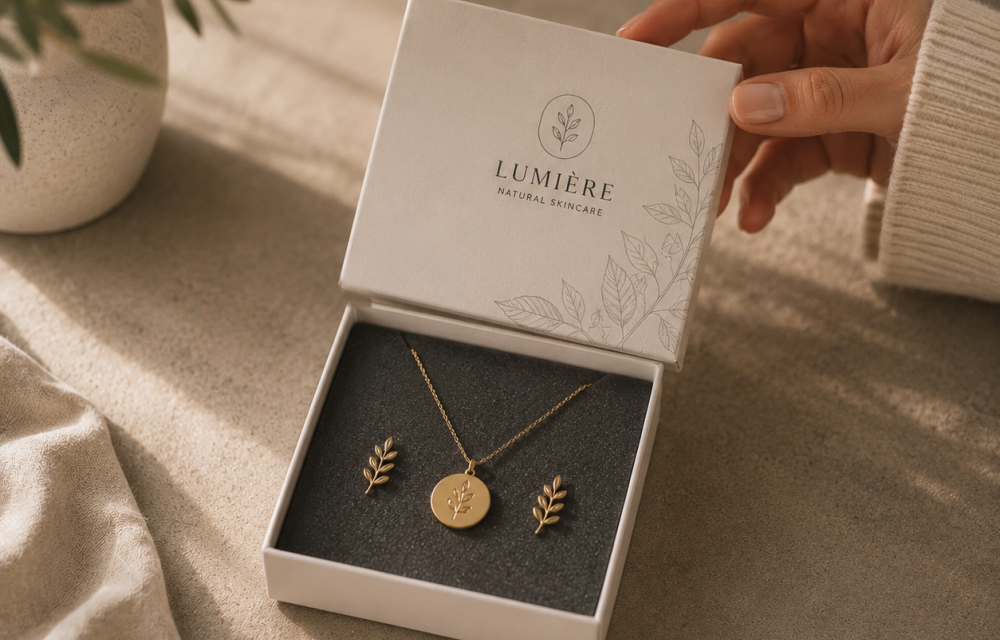
For jewellery brands, rigid jewellery boxes can create a strong premium cue. They feel substantial in hand, photograph well, and can make even a small product feel more considered.
What Is Microflute Packaging?
Microflute is a fine type of corrugated board. A corrugated board box is made from layers, usually with a fluted middle layer that adds strength without making the board too heavy.
Microflute is much finer than the thicker corrugated packaging box you may imagine from standard shipping cartons. It can be used for smart postal boxes, folding cartons, and lightweight presentation packaging.
In simple terms, microflute gives structure and protection while often staying lighter and more storage-friendly than rigid board.
Microflute Versus Rigid Board at a Glance
| Factor | Microflute | Rigid Board |
|---|---|---|
| Feel in hand | Lightweight, practical, neat. | Heavier, firmer, more premium. |
| Presentation | Can look polished with good print and structure. | Strong luxury cue, especially for gifting. |
| Protection | Good for postal journeys when designed well. | Strong for presentation, but may still need outer protection in post. |
| Storage | Often more space-efficient, especially if supplied flat. | Takes more room because boxes usually arrive made up. |
| Cost | Often more budget-friendly at early-growth stage. | Usually higher cost due to material, construction, and finish. |
| Print finish | Strong for printed branding, patterns, and colour. | Strong for wrapped finishes, foiling, textures, and premium effects. |
| Best for | Growing brands watching cash flow and storage. | Premium ranges, gifting, retail, and higher price points. |
Does Rigid Board Feel More Premium?
Often, yes.
Rigid jewellery boxes usually feel more premium because they are firm, weighty, and already formed. They can make a ring, bracelet, necklace, or pair of earrings feel like a gift before the customer has even opened the lid.
That does not mean rigid board is always the right answer.
If you are still testing product lines, managing limited storage, or keeping a close eye on cash flow, rigid board can be more than you need. A beautiful box is only useful if it works for your margins, your workspace, and your order volumes.
For smaller jewellery brands, over-specifying too early can create avoidable pressure. You may end up with too much stock, too little space, or packaging that feels more expensive than the product range can support.
Premium is not only about weight. It is about the whole experience, the fit, the print, the finish, the way the product sits inside, and how the parcel arrives.
Does Microflute Always Look Basic?
No. Microflute can look sharp when it is designed well.
This is one of the biggest myths in jewellery packaging. A microflute box does not have to look like plain postal packaging. With good print, clean folds, strong colour, neat branding, and the right structure, microflute can feel modern, practical, and very on-brand.
It is especially useful when your jewellery is sold online and needs to travel through the post. A well-designed microflute corrugated packaging box can combine presentation and protection in one format, which may reduce the need for extra packaging layers.
For a startup or early-growth jewellery brand, that can be a smart move. Fewer components can mean faster packing, cleaner stock control, and less space taken up in your studio, spare room, or stock cupboard.
Small workspace, big dreams, boxes that behave. That is the sweet spot.

Presentation and Unboxing
Rigid board is usually the stronger choice when the box itself needs to feel like part of the product.
Choose Rigid Board When
- you sell higher-price jewellery
- the box will be kept by the customer
- you want a clear gifting feel
- you sell in-store or at events where customers handle the box
- the packaging needs to signal luxury before it is opened
Microflute is usually the stronger choice when the packaging needs to balance presentation with practicality.
Choose Microflute When
- you sell mainly online
- your parcels need extra crush resistance
- you want branded packaging without too much storage bulk
- you are still testing product lines
- you need packaging that can scale without tying up too much cash
If your jewellery is delicate, high-value, or part of a premium gifting range, rigid board may be worth the extra cost. If your main challenge is shipping neatly, storing stock, and keeping orders moving, microflute may be the better first step.
For more product-specific security, especially for rings, read our guide to ring boxes that hold securely.
Read Ring Box Security Guide →
Protection in Post and Retail
A rigid jewellery box can feel strong, but that does not mean it should travel alone. Many rigid boxes are designed for presentation, not as the only protective layer in the postal journey. If you post rigid boxes, you may still need an outer mailer, tissue, padding, or another form of transit protection.
Microflute is often designed with posting in mind. The fluted layer helps add stiffness and can improve resistance to knocks or compression. This can make microflute useful for e-commerce jewellery brands sending orders directly to customers.
For Retail
Rigid board often wins on shelf appeal. It looks polished, stacks neatly when well made, and gives a more gift-ready feel.
For Postal Journeys
Microflute can be a practical choice because it can protect, present, and carry branding in one lighter format.
The right question is not “Which board is strongest?” It is “What does this box need to survive, and how should it feel when it arrives?”
Storage Space and Packing Flow
Storage is where microflute can quietly save the day.
Many small jewellery brands work from home studios, shared offices, small stockrooms, or compact retail spaces. Made-up rigid jewellery boxes can take up a lot of room because they hold their shape before they are filled.
Microflute options are often supplied flat or flatter than rigid formats, depending on the structure. That can make them easier to store, count, move, and replenish.
This matters when buying jewellery boxes wholesale. A larger order may reduce unit cost, but it also brings more boxes into your workspace. If you do not have room to store them, your packaging starts working against you.
Before Ordering, Ask
- How many boxes can I store safely?
- Will they arrive flat or made up?
- How quickly can I assemble them?
- Do they slow down packing?
- Can I reorder easily if a product line grows?
- Does the packaging suit my current order volume?
A packaging format should make growth feel smoother, not turn your stockroom into a cardboard obstacle course.
Print Finish and Brand Feel
Both microflute and rigid board can support strong branding, but they create different effects.
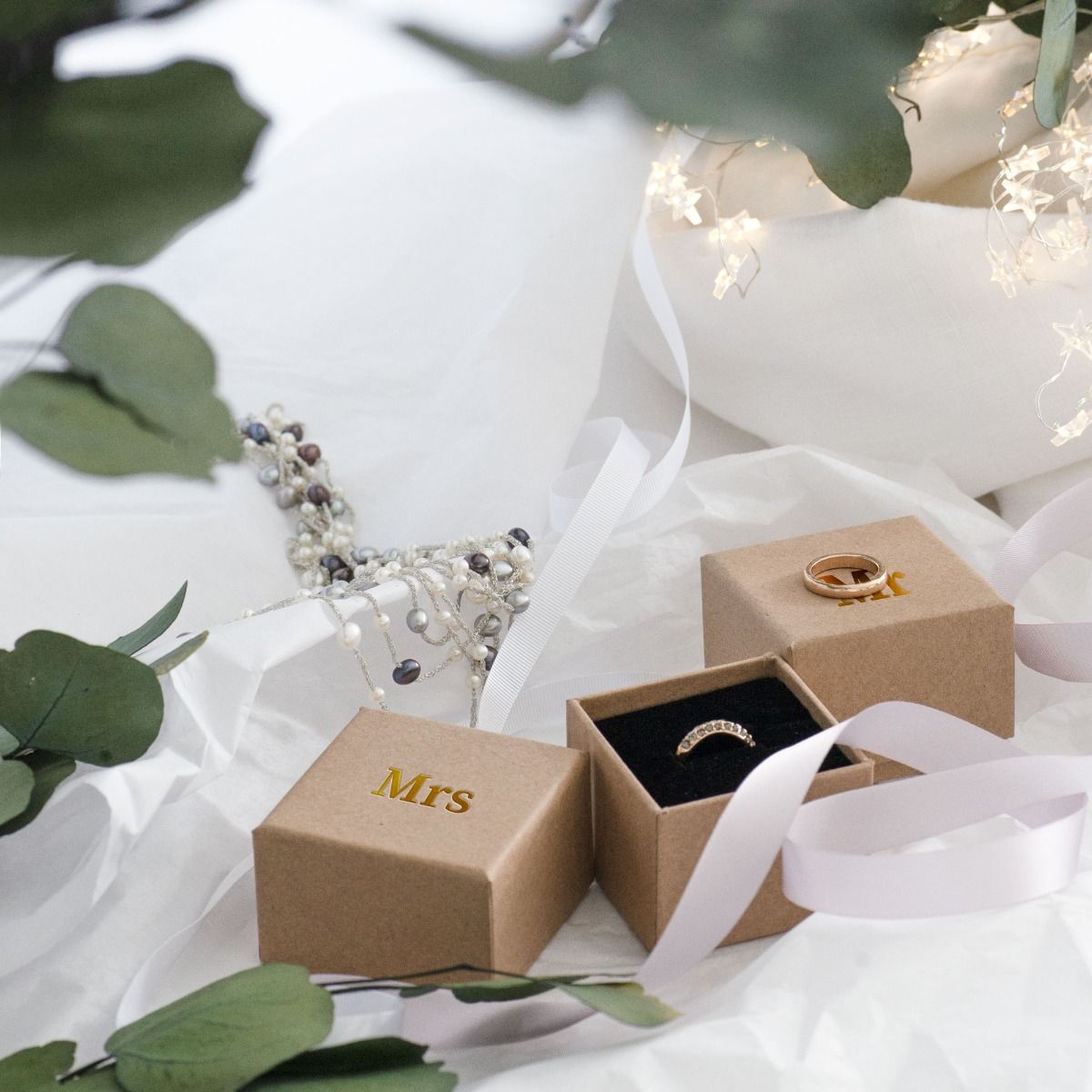
Rigid board is often chosen for luxury finishes. It can work well with wrapped papers, textured finishes, foil blocking, embossing, debossing, and a premium colour palette. It suits brands that want their packaging to feel like a keepsake.
Microflute can be excellent for printed designs, bold branding, patterns, product stories, and practical postal formats. It can look polished without feeling overly formal, which suits many modern jewellery brands.
Think About the Customer Moment
If your customer is opening a special birthday gift, engagement gift, bridesmaid gift, or higher-price order, a rigid gift box with lid may support that moment beautifully.
If your customer is receiving an everyday order through the post, a smart microflute box may give you the right balance of brand, protection, and cost.
Sustainability Without the Fluff
Sustainability should be handled with care, not vague claims.
Both rigid board and microflute can be made with paper-based materials, and both may have recyclable or recycled-content options depending on the exact board, wrap, finish, adhesive, and construction.
The important point is to ask for material transparency rather than assuming one option is automatically “better”.
A right-spec packaging choice can also support responsible buying. That means choosing enough protection and presentation for the job, without adding unnecessary weight, layers, or volume.
For example, microflute may help reduce excess components for some postal orders if it works as both presentation and transit packaging. Rigid board may be the better choice for a premium box the customer is likely to keep and reuse.
Ask Suppliers Clear Questions
- What materials are used?
- Is recycled content available?
- Are FSC-certified options available?
- Can the box be recycled in normal paper or card streams?
- Do finishes affect recyclability?
- Is the board stronger or heavier than my product needs?
Eco is not a sprinkle. It is a specification.
Buying Wholesale: What Should Small Jewellery Brands Consider?
When buying wholesale jewellery boxes UK brands can rely on, think about your current stage, not just your future dream shelf.
A jewellery gift box wholesale order should suit your real order volume, storage space, and cash flow.
It is tempting to jump straight to the most premium rigid option, but that may not be the smartest move if you are still testing products, pricing, or demand.
A jewellery paper box wholesale format in microflute may help you keep stock flexible while you grow. Rigid jewellery boxes may make more sense once you have steady bestsellers, clear gifting demand, or a higher average order value.
Before ordering in volume, sample both formats if possible. Compare how they look, feel, store, pack, and travel. Then choose the one that supports the whole customer journey, not just the photo on your product page.
Explore our wholesale jewellery boxes to compare formats before placing a larger order.
Explore Jewellery Box Formats →
Founder-Friendly Decision Matrix
| Brand Stage or Need | Better Starting Point | Why |
|---|---|---|
| Testing a new jewellery range | Microflute | Lower commitment, easier storage, and practical for early orders. |
| Selling mostly through post | Microflute | Can combine branded presentation with postal strength. |
| Selling premium gifting products | Rigid board | Stronger luxury feel and more gift-ready presentation. |
| Limited workspace or home studio | Microflute | Often easier to store, especially in flatter-packed formats. |
| Retail display or events | Rigid board | Feels stronger in hand and presents well on shelves. |
| Tight cash flow | Microflute | Often more budget-friendly while the brand grows. |
| Higher average order value | Rigid board | Can support a more elevated unboxing experience. |
| Scaling a proven bestseller | Either | Choose based on margin, storage, protection, and brand feel. |
So, Which Board Type Is Best?
There is no one perfect board for every jewellery brand.
Microflute is often best when you need practical, branded, protective packaging that stores well and supports online orders. It can be a smart choice for growing brands that need polish without overcommitting too early.
Rigid board is often best when presentation is the main event. It gives a more premium feel, works well for gifting, and can help higher-value jewellery feel even more special.
The best choice is the one that fits your product, price point, storage space, and customer promise.
Start with samples. Pack the actual jewellery. Post a test parcel. Stack the boxes. Open them as your customer would. Then decide.
That is how you choose packaging that looks good, works hard, and grows with you.
Discover the full range of jewellery gift boxes.
FAQs
What is microflute packaging in simple terms?
Microflute packaging is a fine type of corrugated board. It has a fluted middle layer that adds strength without making the box feel too bulky or heavy.
Does rigid board feel more premium than microflute?
Rigid board usually feels more premium because it is thicker, firmer, and often supplied as a made-up presentation box. Microflute can still look polished with good print, structure, and branding.
Which board type is better for wholesale jewellery boxes?
It depends on your brand stage. Microflute can suit growing e-commerce brands that need storage efficiency and postal strength. Rigid board can suit premium jewellery, gifting, retail, and higher price points.
Is microflute strong enough for postal jewellery packaging?
Microflute can be strong enough for postal jewellery packaging when the structure is designed well and the jewellery is held securely inside. Very delicate or high-value items may still need extra protection.
Which option stores more efficiently in a small workspace?
Microflute often stores more efficiently, especially when supplied flat or flatter than rigid boxes. Rigid board usually takes more room because boxes are often supplied already made up.
How does print finish differ on microflute and rigid board?
Microflute often works well for printed branding, colour, and patterns. Rigid board is often chosen for wrapped papers, textured finishes, foil, embossing, debossing, and premium presentation effects.
When should a small jewellery brand upgrade from microflute to rigid board?
Upgrade when your order volume, margins, product value, and customer expectations support a more premium box. It often makes sense for bestsellers, gifting ranges, retail launches, or higher-value collections.