






 Consultations
 Box Finder
 Help Centre


Necklace and Pendant Boxes That Avoid Tangle
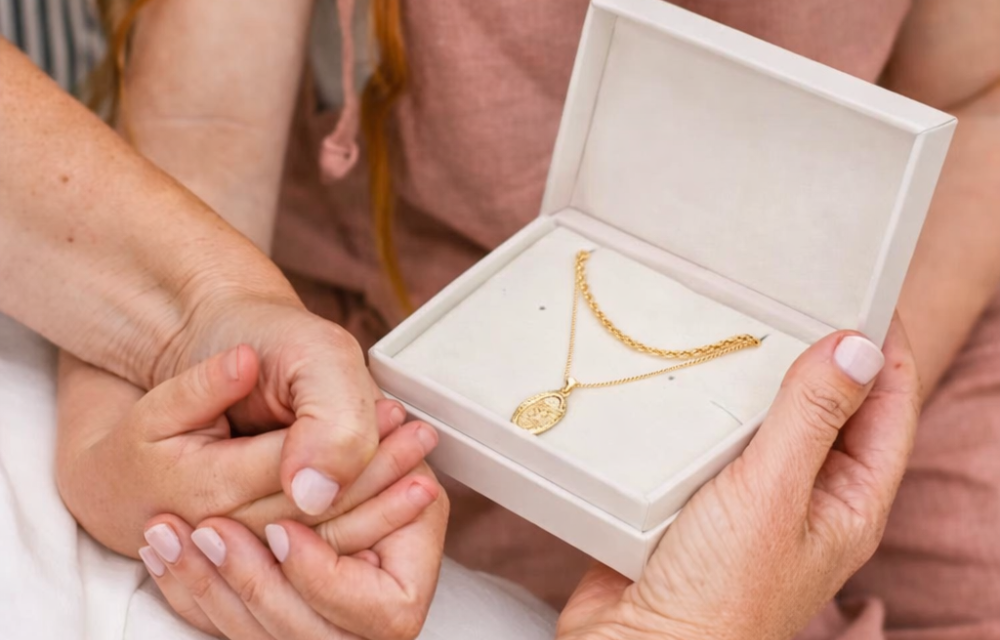
The best necklace boxes prevent tangles by controlling both the chain and the pendant. Good layouts use channels, tie points or insert routes to keep the chain tidy, plus enough box depth to stop the pendant flipping, rubbing or drifting off-centre during gifting, display and delivery.
Need necklace boxes to get you started?
Why Necklaces Tangle in the Box
A necklace is harder to present neatly than many other jewellery pieces because it has two separate behaviours to manage at once.
The chain wants to move, shift and loop. The pendant adds weight, direction and drag. If the box only controls one of those things, the whole presentation can still fail.
That is why some necklace gift boxes look polished when first packed but arrive with:
- chain drift across the insert
- knots or loose loops
- pendants sitting off-centre
- pendants flipped over
- rubbing or scuffing against the inside of the box
A good gift box for necklace presentation does not just look smart when open on a desk. It needs to stay tidy after handling, transport and repeated opening.
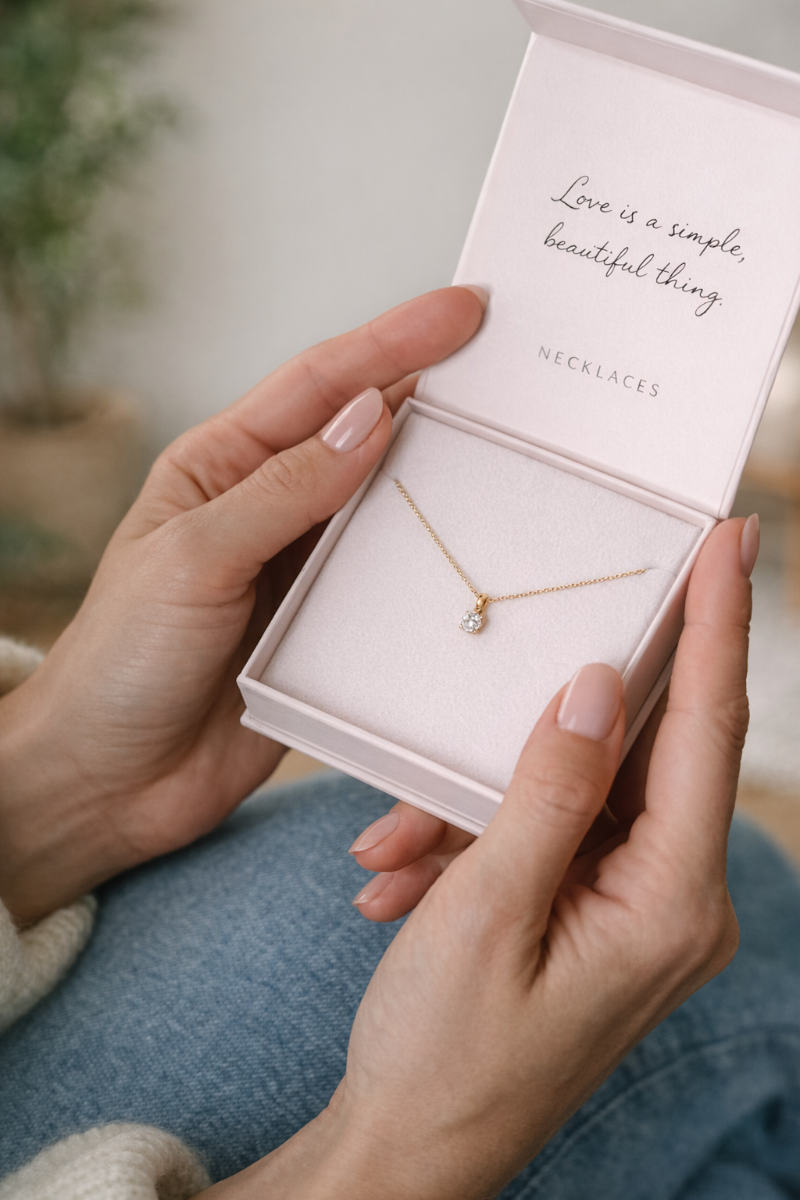
A Necklace Needs Both Chain Control and Pendant Positioning
This is the most important principle in anti-tangle packaging.
A box can be long enough for the chain and still perform poorly if the chain is free to move inside it. In the same way, a pendant can start centred but still end up skewed if the chain is not anchored properly.
Chain Control Does the Following
- reduces slack movement
- stops loops forming
- keeps the chain from drifting sideways
Pendant Positioning Does the Following
- keeps the focal point centred
- stops the pendant flipping or rubbing
- improves first-glance presentation
That is why the best necklace box layouts treat the chain and pendant as one system, not two separate parts.
Why a Longer Box Alone Does Not Solve Tangles
A common assumption is that a long necklace box automatically prevents tangles. In practice, length helps only if the internal layout gives the chain somewhere controlled to sit.
If the inside of the box is still open and loose, extra length can actually give the chain more room to wander.
A Longer Box Helps When It Includes
- clear chain channels
- tie points or tabs
- pendant-centre support
- enough depth for the pendant to sit safely
A Longer Box Does Not Help Much When
- the chain is left loose under the pendant
- there is no defined route for the chain
- the insert does not hold the necklace consistently between packs
So yes, box length matters, but layout matters more.
Read Jewellery Scale Box Guide
Channels, Tabs and Tie Points: What They Each Do
Different anti-tangle layouts control the necklace in different ways.
Channels
Channels guide the chain into a set route.
Best for: cleaner visual presentation, repeatable chain placement, and boxes where the chain needs a clear path.
Strengths:
- keeps the chain visually tidy
- helps reduce sideways drift
- useful for consistent pack-out at scale
Tabs or Insert Routes
These help direct the chain under or through the insert in a more controlled way.
Best for: simpler box structures where you still need some chain management without a fully engineered insert.
Strengths:
- easier controlled routing
- can work well for standard necklace gifting
- often more discreet visually
Tie Points
Tie points anchor the necklace more deliberately.
Best for: pendants or finer chains that need stronger positional control.
Strengths:
- helps keep pendants centred
- reduces movement in transit
- useful where repeat consistency matters
For many necklace gift box applications, tie points give more control than a loose insert alone.
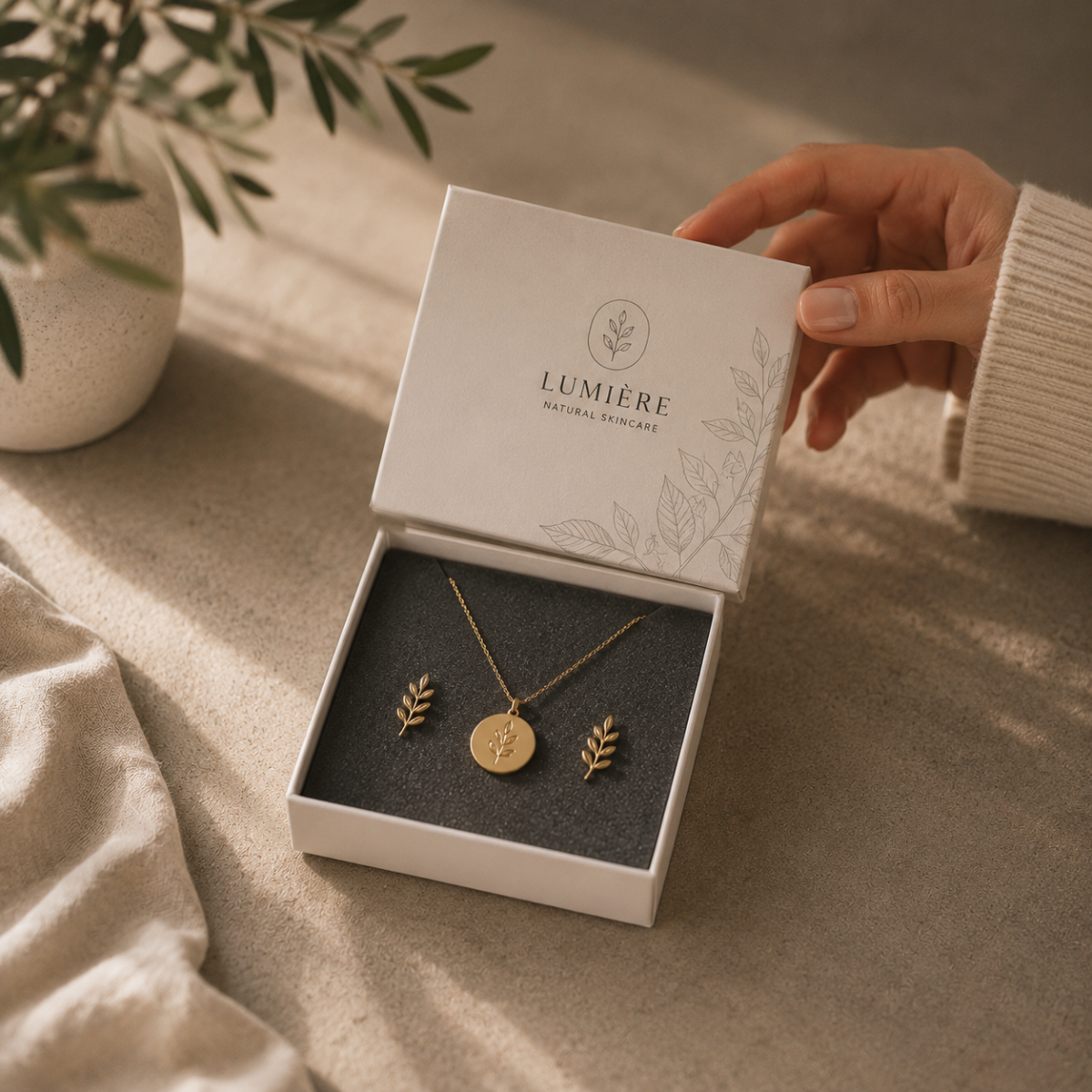
Are Tie Points Better Than Loose Inserts?
Often, yes, especially when the goal is to stop drift.
A loose insert may support the necklace visually, but if it does not anchor the chain properly, the pendant can still move out of place. That is when the jewellery arrives looking less considered than it should.
Tie Points Are Especially Helpful For
- finer chains that move easily
- pendant-led pieces that need centring
- postal gifting
- high-volume fulfilment where consistent presentation matters
Loose Inserts Can Still Work When
- the necklace is shorter or more stable
- the chain is chunkier and less prone to knotting
- the gifting context is lower-risk and more display-led
The best jewellery box for necklaces often combines subtle support with enough anchoring to keep the piece from drifting.
Pendant Centring: What Keeps the Focal Point in Place
When a pendant sits off-centre, customers notice it immediately.
That is because the eye goes straight to the pendant first. If the focal point looks misaligned, the entire necklace display box can feel untidy even when the outer box is premium.
Pendant centring depends on:
- the chain being anchored evenly
- the insert directing the pendant to a defined centre position
- enough lid depth so the pendant is not nudged on closure
- the pendant not being too heavy for the support beneath it
This is especially important for corporate gifting and premium presentation, where consistency across multiple boxes matters just as much as the one-off reveal.
Why Pendants Flip Over Inside Some Boxes
Pendant flipping usually happens when the chain has too much freedom and the pendant has too little support.
Common causes include:
- loose chain path
- no real pendant stop point
- box depth that allows too much vertical movement
- pendant weight pulling the chain out of line
- transport vibration or repeated opening
A flipped pendant can make the necklace look unfinished, tangled or harder to present quickly. That is why anti-tangle layout is not just about chain length, it is about controlling the heaviest visual point too.
Box Depth Affects More Than Clearance
Depth is not only about whether the lid closes. It changes how much the pendant can move.
If the Box Is Too Shallow
- the pendant may rub the lid
- the chain may be pushed out of line
- elevated pendant details may catch or press
If the Box Is Too Deep Without Enough Support
- the pendant may rock or flip more easily
- the chain may lose neat tension
- the jewellery can feel less visually controlled
The best necklace boxes use depth as a support feature, not just as empty space.
Fine Chains, Chunkier Chains and Pendant-Led Pieces Need Different Layouts
Not every necklace behaves the same way in a box.
Fine Chains
Fine chains are usually the most prone to drift and knotting.
What they need: more deliberate chain control and often stronger anchoring.
Chunkier Chains
These are often easier to keep visible and centred, but they can still move awkwardly if the layout is too loose.
What they need: enough room to sit naturally without forcing, plus support that keeps the weight balanced.
Pendant-Led Pieces
These often need the most careful layout because the pendant creates both visual focus and physical pull.
What they need:
- clear centre positioning
- chain guidance on both sides
- enough depth and support to stop flipping
This is why one necklace box format rarely suits every piece equally well.
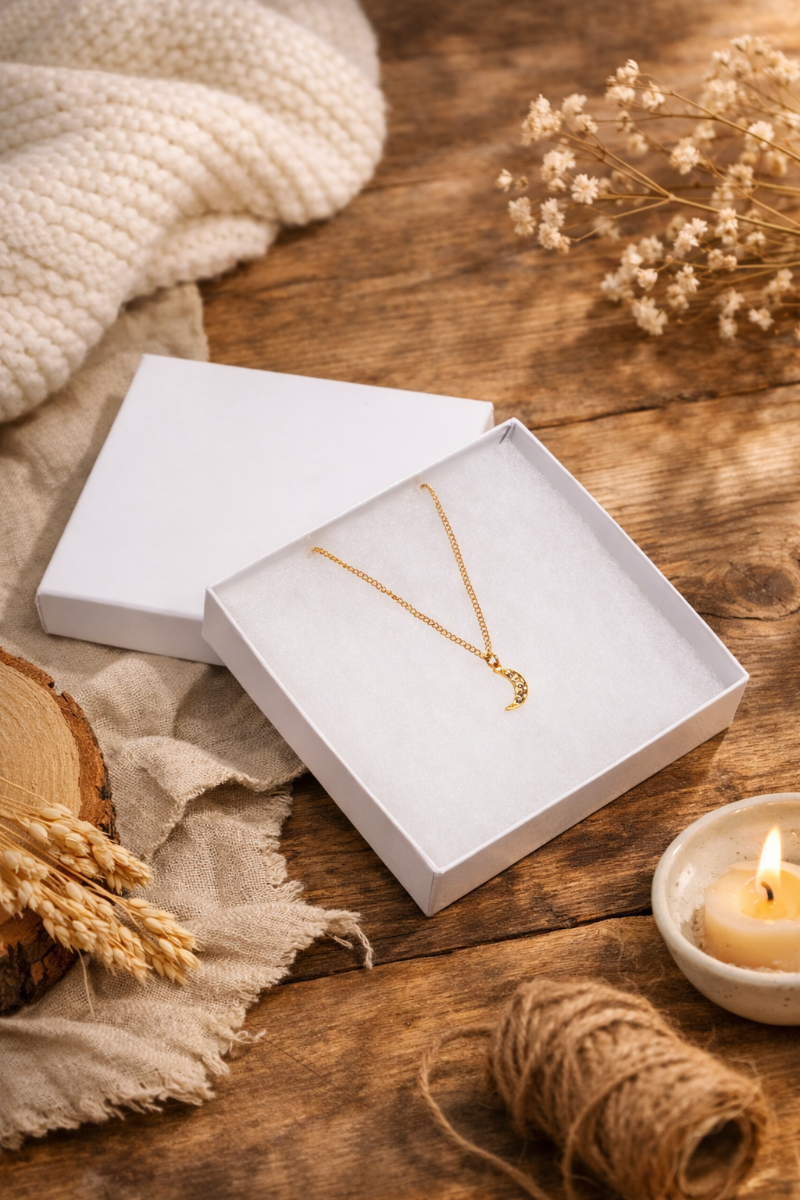
Can One Necklace Box Work for Chains and Pendants Together?
Sometimes, but only if the format is chosen carefully.
If one box is expected to work across:
- plain chains
- fine pendants
- chunkier pendants
- longer chains
- shorter necklace gifting sets
Then compromise usually appears somewhere in the presentation.
For broader gifting ranges, it often makes more sense to choose one format for simpler chain-led pieces and another for pendant-led styles that need more control.
Fulfilment-Friendly Loading Matters at Scale
Anti-tangle design only helps if the box can be packed consistently.
That is especially important for branded gifting teams or larger organisations, where boxes may be loaded by multiple people or across multiple runs.
A good fulfilment-friendly layout should:
- make the chain route obvious
- reduce fiddly manual adjustment
- help the pendant land in the same position each time
- stay neat after opening and closing
- support repeatable packing without slowing everything down
Premium presentation does not have to mean complicated packing. In fact, the best necklace gift boxes are usually the ones that make neat loading feel easier, not harder.
Insert Colour and Finish Affect Visibility Too
Even a tidy layout can underperform if the pendant gets lost visually against the insert.
Good contrast helps with:
- making the chain easy to read at first glance
- keeping the pendant visually centred
- making stones or metal finishes stand out
- reinforcing the sense of quality in the overall jewellery box
A darker insert may help lighter metals stand out. A lighter insert can soften the presentation for bridal or gift-led use. The right choice depends on the jewellery and the mood of the gifting experience.
Practical Anti-Tangle Loading Tips
If you want repeatable results, loading method matters just as much as box design.
Simple Ways to Improve Consistency
- start by positioning the pendant first if the layout allows it
- route each side of the chain evenly
- use the same tie-point method every time
- close the lid once, reopen, and check whether the pendant stayed centred
- keep one approved sample packed as a visual reference for staff or fulfilment teams
These small habits make a big difference in keeping a necklace storage box or gifting box looking neat across multiple orders.
Chain Length to Box Format: A Simple Guide
| Necklace type | What to prioritise | Better box approach |
|---|---|---|
| Fine chain, no pendant | Anti-drift chain route | Channel or light tie-point control |
| Fine chain with pendant | Pendant centring + chain control | Tie points and central support |
| Chunkier chain | Natural lay + balanced weight | Roomier insert with clear route |
| Longer necklace | Slack control and visible structure | Longer format only if the internal route supports it |
| Pendant-led gifting piece | Focal-point stability | Defined centre position + suitable depth |
A Quick Selection Guide by Use Case
For premium gifting: prioritise centred reveal, anti-tangle control and a layout that still looks neat after transit.
For event or branded gifting volumes: prioritise repeatable loading and layouts that do not rely on delicate manual adjustment.
For display-led use: prioritise visual symmetry, clear pendant visibility and insert contrast.
For postal delivery: prioritise tie points, twist resistance and enough box depth to stop rubbing or flipping in transit.
Pendant-Centre QC Checklist
Before approving a necklace gift box style, check:
- the chain follows a controlled route
- the pendant sits centred when first loaded
- the pendant stays centred after movement
- the lid closes without pushing the pendant off line
- the necklace is easy enough to load consistently
- the insert colour keeps the jewellery visible
- the layout works for the actual chain and pendant size, not just an empty sample
Need necklace boxes that keep chains tidy and pendants centred? Compare our necklace boxes and request samples for chain and pendant fit, so you can test layout, depth and loading method before choosing your final packaging format.
FAQs
How do necklace boxes stop chains tangling?
They use controlled routes such as channels, tabs or tie points to manage the chain and stop it drifting or looping loosely inside the box.
What keeps a pendant centred inside the box?
Even chain anchoring, clear insert positioning and enough box depth to stop the pendant being nudged or flipped.
Do longer chains need a different box layout?
Often, yes. Longer chains usually need more deliberate internal routing rather than just a longer outer box.
Are tie points better than loose inserts for necklaces?
Often they are, especially for finer chains and pendant-led pieces that need stronger control.
How deep should a pendant box be?
Deep enough for the pendant to sit comfortably without rubbing or being pushed off-centre, but not so deep that it moves excessively.
Can one necklace box work for chains and pendants together?
Sometimes, but not always. Broader jewellery ranges often need more than one layout to keep presentation consistently tidy.
Why does a pendant flip over inside some boxes?
Usually because the chain is not anchored well enough and the pendant has too much space to move during handling or transit.