







 Consultations
 Box Finder
 Help Centre


Choosing The Right Padded Packaging For Fragile Items
Fragile products deserve packaging that does more than simply fill a box. The right padded packaging protects your product, keeps postage sensible, supports your brand, and makes your customer feel like their order has been packed with care.
For small e-commerce businesses, that balance matters. You may be packing from a studio, spare room, workshop, or fulfilment corner, with limited storage space and very little time to second-guess every parcel. So, how do you choose between paper padded packaging, bubble lined options, and other travel-friendly cushioning options without overpacking everything in sight?
Let’s unbox it properly.
Need postal bags to get you started?
What Is Padded Packaging For Fragile Items?
Padded packaging for fragile items is packaging designed to cushion, separate, and protect delicate goods during storage, handling, and delivery. It can include paper padded bags, bubble lined mailers, corrugated wraps, tissue, void fill, shredded paper, inserts, and other protective materials used to reduce movement and absorb knocks in transit.
In plain English, it is the soft landing between your product and the real world.
The best protective materials for shipping are not always the thickest or the most expensive. They are the ones that suit the product, the journey, the box size, and the customer experience you want to create.
Paper Padded Vs Bubble Lined Packaging: The Quick Comparison
Paper padded and bubble lined packaging both have a place, but they solve slightly different problems.
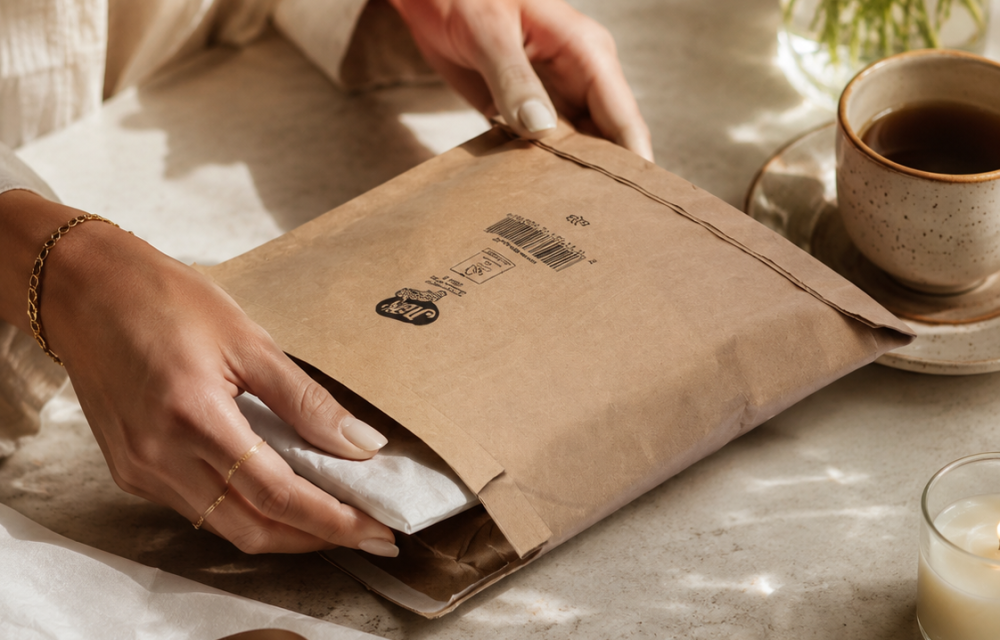
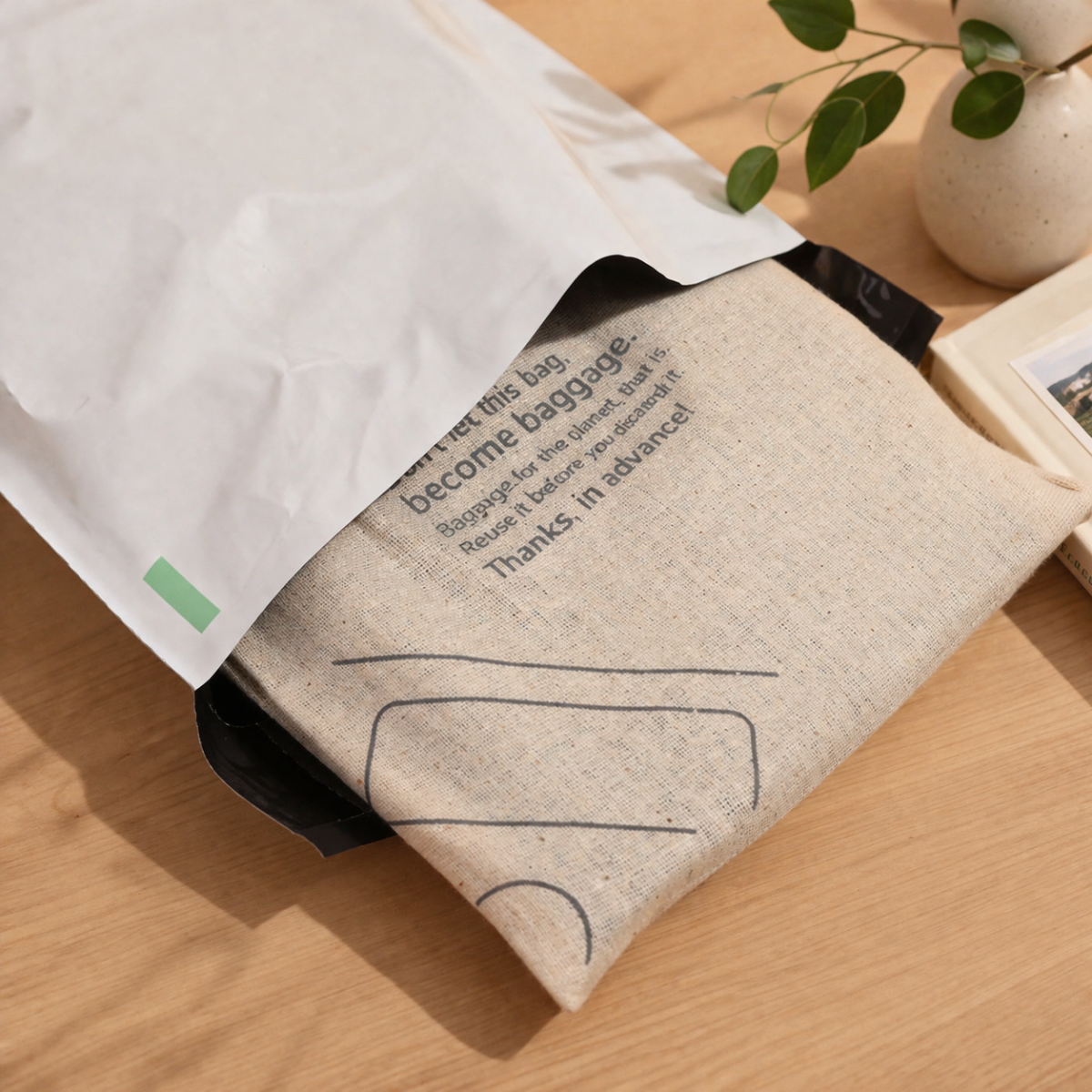
Paper padded packaging is often a strong choice for brands looking for a more natural, tactile presentation. It can feel considered, neat, and more aligned with sustainable packaging for e-commerce, especially when the material is recyclable, responsibly sourced, or made with recycled content.
Bubble lined packaging is known for lightweight cushioning and impact resistance. It can work well for products that need extra protection without adding much weight, but mixed materials can make recycling less straightforward depending on the design and local collection rules.
Think of it this way: paper padded packaging brings polish and plastic-free potential, while bubble lined packaging brings lightweight bounce. Your job is to choose the one that protects well without making the parcel feel overdone.
| Packaging Type | Best For | What To Watch |
|---|---|---|
| Paper padded packaging | Natural presentation, lighter fragile items, eco-minded branding, tidy unboxing | May still need a rigid outer box for highly fragile or heavy products |
| Bubble lined packaging | Lightweight cushioning, impact absorption, flexible products, longer delivery routes | Mixed materials can make recycling less simple for customers |
| Boxes with internal cushioning | Highly breakable, heavy, sharp-edged, or crush-sensitive products | Can increase storage, postage size, and packing time if overused |
When Paper Padded Packaging Works Best
Paper padded packaging can be a brilliant fit for smaller, lighter, and moderately fragile products, especially when presentation matters. It feels clean, calm, and crafted, which makes it popular for independent brands selling jewellery, ceramics accessories, candles, cosmetics, stationery, homeware, and gifting products.
It can be especially useful when you want:
- a more natural unboxing feel
- packaging that supports an eco-minded brand position
- a neat padded layer without a plastic-heavy look
- easier storage than bulky rolls of cushioning
- a consistent finish across marketplace, website, and wholesale orders
Paper padding can also help you create a more premium moment without drifting into fussy territory. A well-fitted padded postal bag, a layer of tissue, and a tidy branded sticker can feel far more intentional than a box stuffed to bursting.
The Benefits Of Paper Padded Packaging
Paper padded options are often a smart choice for small businesses because they combine protection with presentation. They look tidy, they are easy to handle, and they can help keep packing processes simple when you are working quickly.
They are also useful for brands that want their packaging to feel aligned with eco-friendly packaging materials. Just keep sustainability claims specific. Say what the material is, whether it is recyclable, whether it contains recycled content, or whether FSC-certified options are available. Avoid broad claims such as “100% sustainable” unless you have formal proof.
Paper padded packaging may help with:
- Brand feel: Paper has a warm, crafted quality. It can make even a practical shipping layer feel more intentional.
- Storage: Flat or compact padded formats are often easier to store than large rolls of loose fill.
- Packing speed: Pre-padded formats can reduce the number of steps needed per order.
- Customer perception: A neat, paper-based pack can feel more premium and less wasteful than overfilled parcels.
- Material clarity: Single-material or clearly labelled packaging can be easier for customers to understand at disposal.
For more guidance on recycling language and UK collection considerations, check out Recyclable Choices That Make Sense For UK Schemes.
When Bubble Lined Packaging Works Best
Bubble lined packaging still has practical uses, particularly for lightweight goods that need a little extra cushioning around the edges. It is flexible, light, and familiar, which makes it a common choice for shipping fragile items safely.
It can work well for:
- small glass jars or bottles, when paired with the right outer box
- products with corners or edges that need cushioning
- items travelling through longer or less predictable delivery routes
- orders where weight must be kept low
- goods that need soft padding choices for breakable items that travel safely
The main thing is not to assume bubble lining solves everything. A bubble lined mailer may protect against light knocks, but it will not always stop a fragile product from being crushed, bent, or damaged if the item has room to move. For very delicate pieces, you may still need a rigid outer box, internal wrap, dividers, or inserts.
The Drawbacks Of Bubble Lined Packaging
Bubble lined packaging can be useful, but it has a few trade-offs.
The first is recycling. If the packaging combines paper and plastic, customers may need to separate materials before disposal, or the packaging may not suit every local recycling scheme. That is where clear disposal guidance matters.
The second is brand perception. Bubble lining can feel practical, but it may not always feel premium. For brands selling carefully made products, the unboxing experience should feel as considered as the item inside.
The third is overconfidence. Bubble can make a parcel look protected, but protection comes from fit as much as padding. If the product rattles around inside the pack, damage is still possible.
A good rule: if you shake the parcel gently and hear movement, the packaging is not finished.
The Best Protective Materials For Shipping Fragile Items
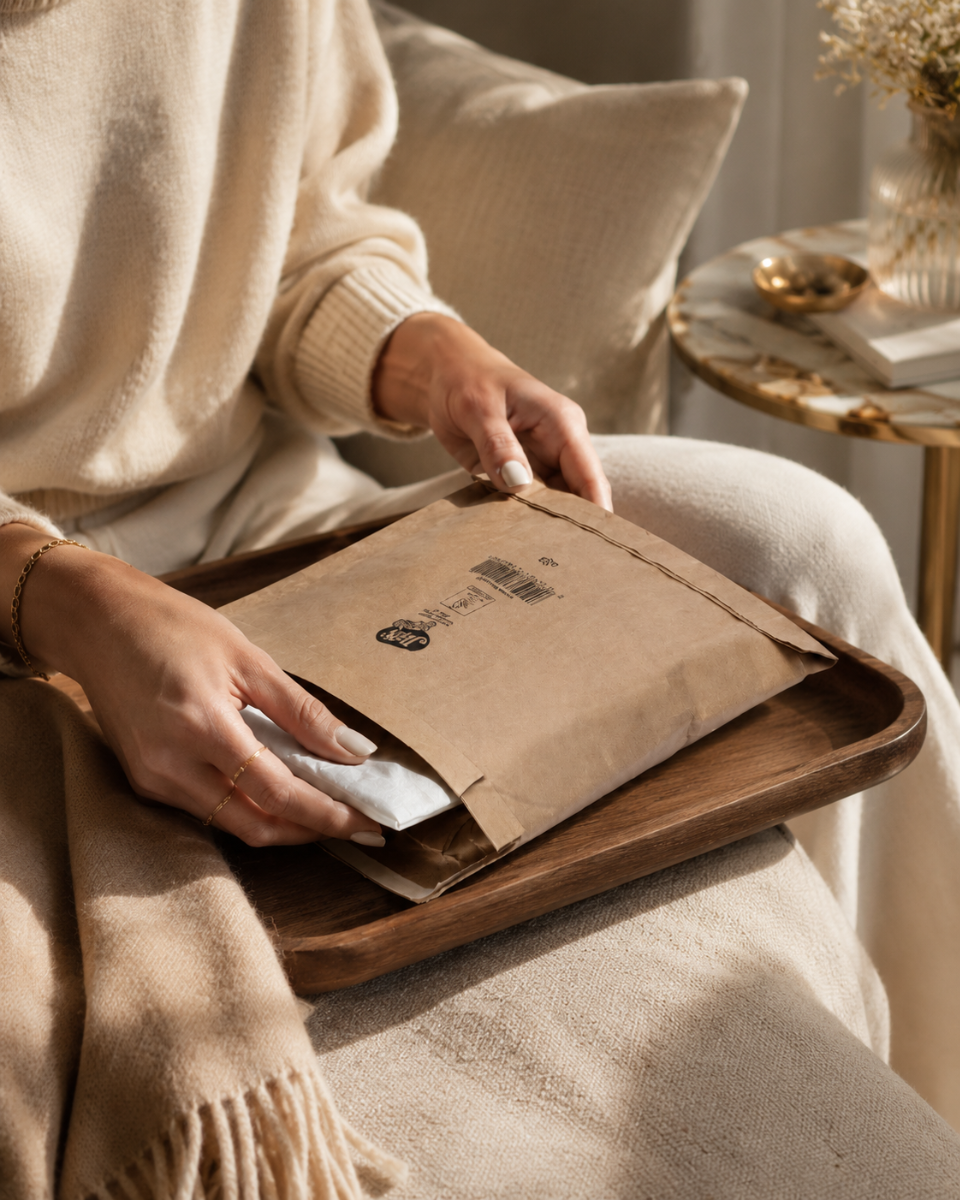
The best protective materials for shipping depend on what you sell, but most small businesses will need a mix of structure, cushioning, and presentation.
Here are common travel-friendly cushioning options and where they work best.
| Material | Where It Works Best | Helpful Note |
|---|---|---|
| Paper padding | Neat, eco-minded cushioning around small to medium items | Best when paired with the right outer packaging |
| Bubble lining | Lightweight cushioning and flexible protection | Use clear recycling guidance where mixed materials are involved |
| Corrugated wrap | Bottles, jars, ceramics, and products with defined shapes | The fluted texture helps create a protective layer |
| Tissue paper | Surface protection and presentation | Not enough on its own for fragile items |
| Shredded paper or paper void fill | Preventing movement inside boxes | Use enough to secure the item, not so much that the customer needs a treasure map |
| Cardboard inserts or dividers | Sets, jars, candles, and gift boxes | Good for keeping products separate |
| Moulded pulp or paper-based inserts | Repeated product shapes and delicate goods | Useful when you need shaped protection |
| Foam | High-risk or high-value products | May not align with every sustainability goal |
The strongest packaging often uses two or three materials well, rather than one material in excess.
How To Avoid Overpacking Fragile Items
Overpacking feels safe, but it can increase postage costs, slow down fulfilment, frustrate customers, and make your brand look less polished. A parcel should feel protected, not panicked.
Use this simple process.
1. Start With The Product
Ask what actually needs protecting. Is it the surface, the corners, the lid, the glass, the seal, or the full shape? A delicate ceramic ornament needs different protection from a boxed candle or a glass dropper bottle.
2. Choose The Smallest Sensible Outer Pack
Too much empty space means more void fill, more movement, and more cost. The right box or padded mailer should leave enough room for cushioning, but not so much that the product can wander.
3. Wrap The Item Before Filling The Box
Surface protection comes first. Tissue, paper wrap, corrugated wrap, or a product sleeve can protect finishes before you add cushioning.
4. Stop Movement
Void fill is there to hold the item in place. Fill gaps around the product, especially corners and sides, then check whether anything shifts.
5. Test Gently
Before sending, close the parcel and give it a gentle shake. No rattle is the goal. If it moves, add targeted cushioning rather than stuffing the whole box.
6. Keep The Unboxing Tidy
Fragile packaging can still look beautiful. Fold tissue neatly, avoid loose scraps where possible, and keep branded elements visible.
Small businesses do not need complicated packing benches to pack well. They need a repeatable method that works on a busy Monday morning.
Packaging Tips For Fragile Items
A few small choices can make a big difference:
- Use rigid packaging for products that could bend, crush, or crack. A padded mailer may be enough for some items, but fragile goods often need the structure of a box.
- Keep products away from the edges of the parcel. Corners and edges take a lot of impact in transit, so create a buffer zone wherever possible.
- Separate items in multi-product orders. Products knocking into each other can cause scratches, chips, or cracks, even if the outer box is well padded.
- Avoid mixing heavy and fragile items without dividers. A candle, mug, or jar can damage a lighter item if they are packed together loosely.
- Label where helpful, but do not rely on labels alone. “Fragile” can help communicate care, but good internal protection does the real work.
- Document your winning pack. Once you find the right material mix, photograph it, note the box size, and turn it into a packing standard for your team.
That is efficient order fulfilment packaging: less guesswork, more gorgeous parcels.
How Packaging Affects Brand Image
Packaging is often the first physical touchpoint your customer has with your brand. Before they smell the candle, wear the earrings, open the skincare, or unwrap the print, they meet the parcel.
That moment says something.
A neat paper padded mailer says considered. A well-fitted box says professional. A branded sticker says polished. A parcel full of unnecessary plastic and oversized void fill says, perhaps unfairly, rushed.
For startups, packaging design is not just decoration. It is trust-building. It reassures customers that their order was worth the money, encourages repeat purchases, and helps your brand feel more established than your team size might suggest.
First order or thousandth, your packaging matters.
Balancing Cost, Protection, And Presentation
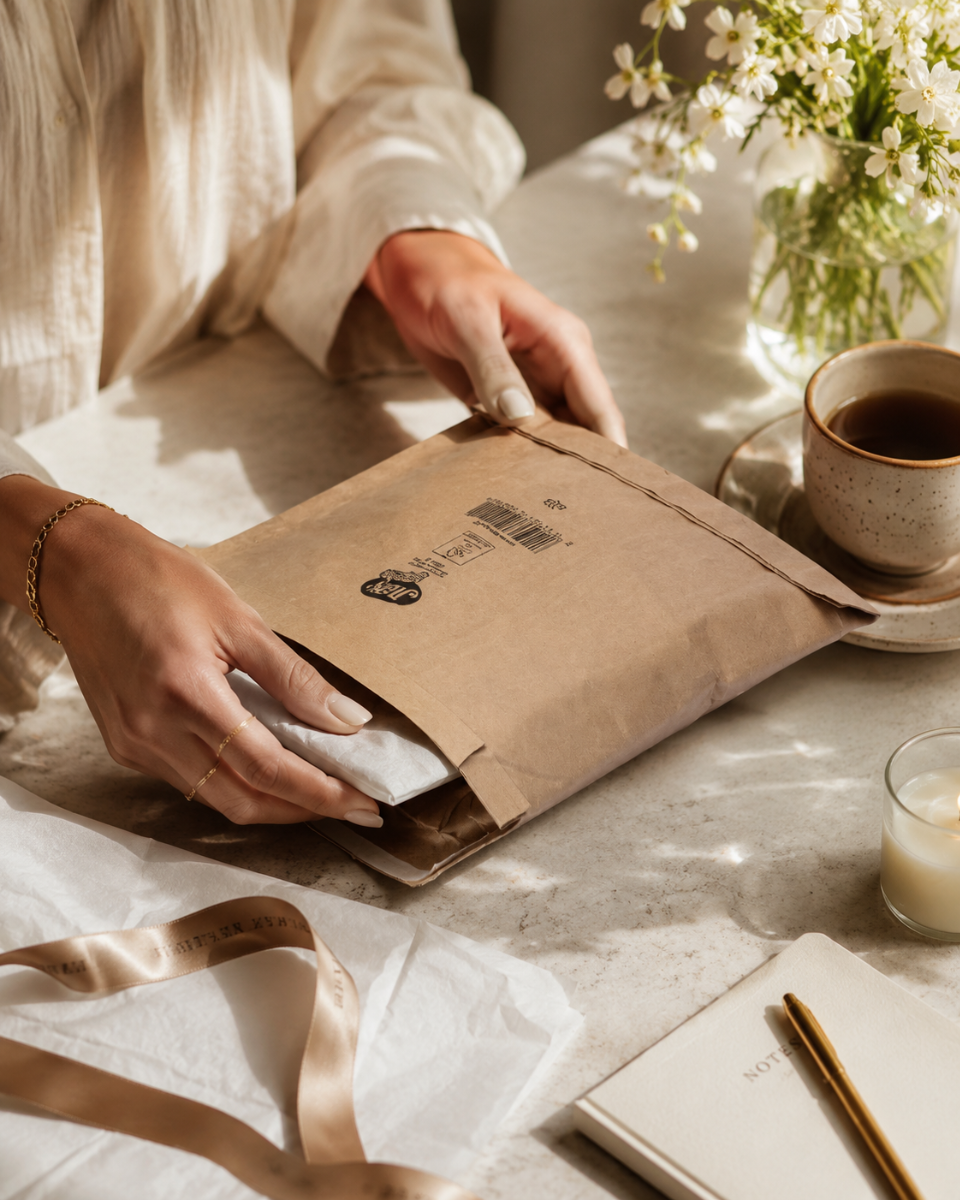
Cost-effective packaging solutions are not always the lowest-price option per unit. A slightly better fitting box can reduce fill, lower damage rates, improve reviews, and make packing faster.
When comparing packaging options for small businesses, look at the full cost:
- unit price
- storage space
- packing time
- postage weight and dimensions
- damage or replacement risk
- customer experience
- brand consistency
- recycling clarity
A lower-cost mailer that leads to more breakages is not really lower cost. Equally, a heavily layered luxury pack may look beautiful but eat into margins if the product does not need it.
The sweet spot is packaging that protects confidently, looks intentional, and can scale with you.
Sustainable Packaging For E-Commerce: What To Say Carefully
Customers increasingly notice packaging waste, but sustainability messaging needs care. Keep claims specific, simple, and provable.
Stronger phrasing includes:
- recyclable paper packaging
- made with recycled content, where the percentage is known
- FSC-certified options, where certification applies
- plastic-free options, where the whole pack is genuinely plastic-free
- responsibly sourced materials, where you can support the claim
Avoid sweeping phrases such as “planet-saving,” “zero-waste,” or “100% sustainable” unless you have evidence and certification. Sustainability should feel like a standard, not a sermon.
A Simple Packing Checklist For Fragile Products
Use this before sending fragile orders:
| Check | Question To Ask |
|---|---|
| Outer packaging | Is the outer packaging rigid enough for the product? |
| Surface protection | Is the product wrapped to protect the surface? |
| Cushioning | Is there cushioning on all sides? |
| Movement | Is the item held firmly in place? |
| Separation | Are multiple items separated? |
| Shake test | Is there no movement when gently shaken? |
| Unboxing | Is the parcel neat when opened? |
| Disposal | Are recycling or disposal details clear? |
| Brand fit | Is the packaging consistent with your brand? |
| Repeatability | Can this process be repeated quickly during busy periods? |
Print it, pin it, live by it. Your future packing table will thank you.
Which Option Should You Choose?
Choose paper padded packaging if you want a polished, eco-minded feel, simple storage, and packaging that supports a crafted unboxing experience. It is a strong option for many small e-commerce brands selling lighter fragile items.
Choose bubble lined packaging if you need lightweight cushioning, flexibility, and extra impact absorption for suitable products. Make sure the packaging is right for the product, and be clear about recycling where mixed materials are involved.
Choose boxes with internal cushioning if the product is highly breakable, heavy, sharp-edged, or likely to crush. For truly fragile items, structure matters as much as softness.
The right choice is rarely “paper or bubble” in isolation. It is the full packing system: product, wrap, cushioning, outer pack, label, and unboxing experience working together.
Ready to make fragile orders feel less fragile? Explore padded postal bags and build a packing setup that protects your products, flatters your brand, and keeps every unboxing beautifully under control.
Need postal bags to get you started?
FAQs
What Are The Benefits Of Using Paper Padded Packaging For Fragile Items?
Paper padded packaging can offer a neat, tactile, and eco-minded way to cushion fragile goods. It is often easy to store, quick to use, and well suited to brands that want their parcels to feel polished without looking overpacked.
What Are The Drawbacks Of Bubble Lined Packaging For Fragile Items?
Bubble lined packaging can be less straightforward to recycle when it combines different materials. It may also need to be paired with a rigid outer box for products that are very delicate, heavy, or likely to be crushed.
How Can Small E-Commerce Businesses Improve Packaging Choices For Fragile Items?
Start by matching the packaging to the product’s weak points. Use the smallest sensible outer pack, add targeted cushioning, prevent movement, and keep a simple packing standard for repeat orders.
What Are Some Sustainable Alternatives To Bubble Wrap?
Paper padding, corrugated wrap, shredded paper, moulded pulp inserts, and recyclable paper void fill can all be useful alternatives. Choose based on the item’s weight, fragility, shape, and shipping route.
How Do You Avoid Overpacking Fragile Items During Shipping?
Use packaging that fits properly, then add cushioning only where it is needed. The aim is to stop movement and protect vulnerable areas, not fill every spare millimetre with material.
What Factors Should Be Considered When Choosing Packaging For Fragile Items?
Consider product weight, shape, value, breakability, shipping distance, storage space, packing speed, postage size, recycling requirements, and brand presentation.
How Does Packaging Affect The Brand Image Of Small E-Commerce Businesses?
Packaging shapes the customer’s first physical impression of your brand. A tidy, well-protected parcel feels professional and considered, while oversized or messy packaging can make the order feel less premium.
What Are The Best Practices For Packing Fragile Items For Shipping?
Wrap each item, cushion all sides, keep products away from parcel edges, separate multiple items, stop movement, and use a rigid outer box when needed. Always test the finished parcel with a gentle shake.
How Can Entrepreneurs Balance Cost-Effectiveness With Professional Presentation?
Look at the full cost, not just the unit price. Packaging that reduces damage, saves time, fits well, and creates a better customer experience can offer stronger value than the lowest-price option.
What Are The Unique Challenges Startups Face When Packaging Fragile Items?
Startups often have limited storage, tight budgets, small teams, and changing order volumes. The best packaging setup is simple, flexible, protective, and easy to repeat as the business grows.