














 Consultations
 Box Finder
 Help Centre


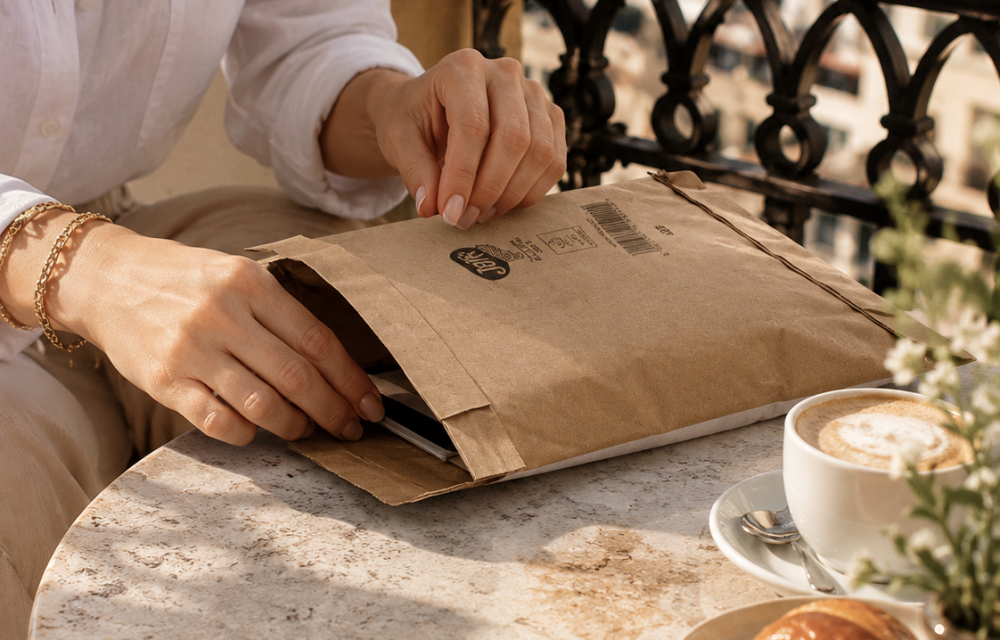
Making Sustainable Choices: The Role Of OPRL In Recyclable Postal Bags
Recyclable packaging should make life easier, not murkier. For UK retailers trying to make better choices, the challenge is not simply finding packaging that sounds sustainable. It is choosing recyclable packaging options for UK businesses that work in real operations, make sense for UK recycling schemes, and give customers clear disposal instructions at the end.
Because no one wants a beautiful parcel followed by a recycling riddle.
For growing retail brands, packaging has to carry a lot. It needs to protect the product, look polished, arrive well, store neatly, support fulfilment, and reflect your values. Add recyclability, recycled content, and disposal messaging into the mix, and suddenly the “simple” postal bag becomes a strategic brand decision.
This guide looks at how UK retailers can make sensible recyclable options for UK programmes, how OPRL helps with clearer packaging communication, and how to choose sustainable materials for retail in the UK without compromising on presentation or practicality.
Get started with postal bags.
What Are Recyclable Packaging Options For UK Businesses?
Recyclable packaging options for UK businesses are packaging materials that can be collected, sorted, and reprocessed through relevant recycling routes, provided they are clean, correctly labelled, and accepted by local or commercial waste systems.
In plain English, recyclable packaging is not just about the material. It is about what happens after your customer opens the parcel.
For retail brands, the strongest choices are usually the ones that combine:
- a material accepted by common UK recycling routes
- clear disposal instructions
- reliable product protection
- practical storage and fulfilment
- transparent sourcing and manufacturing information
- a customer experience that still feels considered
That is where OPRL can help.
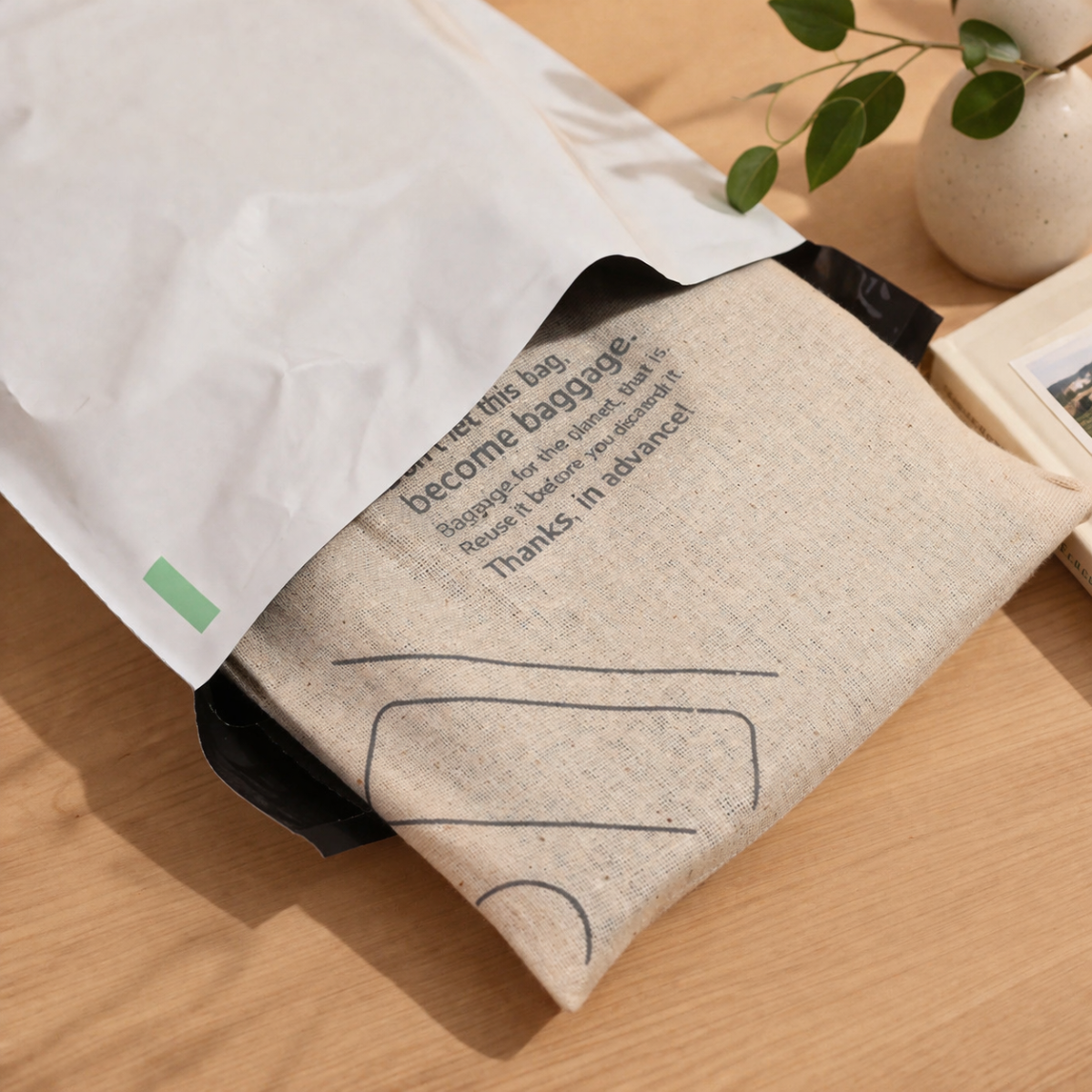
What Is OPRL?
OPRL stands for On-Pack Recycling Label. It is a labelling system designed to help consumers understand how to dispose of packaging correctly after use.
For businesses, OPRL can support clearer communication by showing whether packaging is recyclable and what the customer should do with it. This matters because even the best recyclable packaging can end up in the wrong waste stream if the instructions are confusing, hidden, or missing.
A good recycling message should be simple enough to understand at a glance. Your customer should not need to become a materials scientist before breakfast.
Why OPRL Matters For Retail Packaging
For UK retailers, OPRL is useful because it turns sustainability intent into customer action. It helps bridge the gap between choosing better packaging and helping that packaging reach the right end-of-life route.
OPRL can support:
- Clearer customer guidance: Customers are more likely to recycle correctly when instructions are obvious and easy to follow.
- Better brand trust: Transparent packaging information shows that your sustainability choices are considered, not decorative.
- More consistent messaging: Using recognised labelling helps avoid vague or conflicting recycling claims across your website, packaging, and product pages.
- Stronger internal decisions: If your packaging team knows what label or disposal route applies, it becomes easier to compare suppliers and materials.
- Reduced confusion: Terms such as recyclable, recycled, biodegradable, compostable, and reusable are not interchangeable. OPRL helps keep the message tidy.
For sustainable retail, clarity is part of the product experience.
Recyclable Does Not Always Mean Recycled
One of the biggest packaging misconceptions is that “recyclable” and “recycled” mean the same thing.
They do not.
Recyclable packaging means the material may be capable of being collected and processed into something new, depending on local systems and the condition of the packaging.
Recycled content packaging means the packaging contains material that has already been recycled. This might be a percentage of the total material, such as paper or board made with recycled fibres.
Both can support sustainable packaging solutions, but they tell different stories. Recyclability focuses on what happens after use. Recycled content focuses on what the packaging is made from at the start.
The strongest messaging is specific. For example:
- “Made with 70% recycled content.”
- “Widely recyclable where facilities exist.”
- “FSC-certified paper options available.”
- “Plastic-free paper postal bags.”
Avoid broad claims like “100% sustainable” unless you have formal proof. Sustainable language should be sharp, honest, and beautifully boring in the best possible way.
| Term | What It Means | What To Check |
|---|---|---|
| Recyclable | The packaging may be collected and processed after use. | Whether the material is accepted through relevant UK recycling routes. |
| Recycled content | The packaging contains material that has already been recycled. | The percentage of recycled content and whether the supplier can evidence it. |
| Compostable | The packaging may break down in specific composting conditions. | Whether customers have access to the right disposal route. |
| Biodegradable | The material may break down over time under certain conditions. | The conditions, timeframe, certification, and disposal guidance. |
Why Clear Disposal Messages Matter
If a customer does not know what to do with your packaging, your sustainability work loses impact. Clear disposal messages help customers make the right choice quickly.
That is particularly important for e-commerce brands because packaging is handled at home, often away from the controlled waste streams available in shops, warehouses, or offices.
A good disposal message should answer three questions:
- what is the packaging made from?
- can it be recycled, reused, or disposed of in a specific way?
- does the customer need to remove anything first?
For example, if a postal bag includes a label, adhesive strip, window, or mixed material layer, the customer may need extra guidance. If it is a simpler paper-based product, the message may be more straightforward.
Clear instructions are not a nice-to-have. They are part of best recycling practices for UK retailers.
Choosing Recyclable Postal Bags
Recyclable postal bags are a practical starting point for many retail businesses. They are used often, they are customer-facing, and they can influence how people perceive your brand before they even reach the product inside.
When choosing postal bags, consider:
- Material: Is it paper, card, plastic, or a mixed-material structure? Is it recyclable through relevant routes?
- Recycled content: Does it include recycled material? Is the percentage stated clearly?
- Strength: Will it protect the product during picking, packing, courier handling, and delivery?
- Moisture resistance: Will it cope with typical UK delivery conditions, especially rain, damp storage areas, and doorstep exposure?
- Closure: Is the seal secure? Does it support returns if your business needs that?
- Print and branding: Can you add your logo, message, or disposal instructions without making the bag harder to recycle?
- Storage: Will the format work in your packing area without taking over every shelf?
Explore recyclable postal bags for packaging that helps orders look polished from packing bench to doorstep.
Sustainable Materials For Retail In The UK
The best sustainable materials for retail in the UK depend on the product, use case, and disposal route. There is no single magic material, no matter how confidently the internet whispers otherwise.
Common options include:
- Paper and board: Widely used for postal bags, boxes, sleeves, inserts, and wraps. Often a strong choice where recyclability, print quality, and presentation matter.
- Recycled paper and card: Useful for brands that want to reduce reliance on virgin material while keeping a premium, natural feel.
- FSC-certified paper options: A good choice where responsible sourcing is important and certification is available.
- Mono-material plastics: In some cases, plastic packaging can be recyclable when it is made from a single compatible material and collected through the right routes. It may be useful for moisture resistance or lightweight shipping, but disposal guidance must be clear.
- Compostable or biodegradable materials: These can sound appealing, but they require careful handling. Biodegradable packaging materials are not automatically recyclable, and compostable packaging may need specific conditions to break down properly. Use precise claims and clear disposal instructions.
- Food-safe packaging: Environmentally friendly food packaging needs extra care because safety, barrier performance, grease resistance, and compliance all matter. The right choice must protect the food and meet relevant standards, not just look eco-minded.
The goal is not to chase the trendiest material. The goal is to choose packaging that performs, communicates clearly, and fits real UK recycling behaviour.

Practical Recycling Choices For Schemes In The UK
Recycling in the UK can feel inconsistent because collection rules may vary by location and packaging type. That is why practical recycling choices for schemes in the UK should focus on simplicity, clarity, and compatibility.
For many retailers, this means:
- choosing materials that customers recognise
- avoiding unnecessary mixed materials
- reducing coatings, laminates, and add-ons where possible
- keeping labels and adhesives simple
- using clear on-pack disposal messages
- checking supplier documentation before making claims
- reviewing packaging whenever regulations, collections, or product ranges change
Simple usually wins. A clean paper postal bag with clear messaging can be more useful than a technically clever structure your customer has no idea how to dispose of.
Transparency In Sustainable Packaging
Transparency is where sustainability moves from claim to credibility.
Retailers should be able to ask suppliers direct questions and receive direct answers. What is the material? Where is it sourced? Does it contain recycled content? What percentage? Is it recyclable? Is certification available? What disposal wording is appropriate?
For senior decision-makers, this information matters because packaging is part of brand risk. Vague claims can disappoint customers, invite scrutiny, and make internal teams unsure what they can say.
A transparent packaging supplier should help you understand:
- Material composition: What the packaging is actually made from.
- Recycled content: Whether recycled content is included and at what level.
- Certifications: Such as FSC-certified options, where applicable.
- Disposal guidance: How customers should recycle, reuse, or dispose of the packaging.
- Operational fit: Whether the packaging can handle your product, order volume, storage space, and delivery route.
Sustainability does not need to be shouty. It needs to be provable.
| Supplier Question | Why It Matters |
|---|---|
| What is the packaging made from? | Helps your team understand material type, disposal route, and suitability. |
| Does it contain recycled content? | Supports clearer claims and stronger product information. |
| Is certification available? | Gives evidence for responsible sourcing or material claims. |
| How should customers dispose of it? | Improves the customer experience and reduces recycling confusion. |
| Will it work for our product range? | Protects against choosing packaging that looks right but fails in use. |
The Environmental Impact Of Packaging Choices
Non-recyclable packaging can increase waste, reduce material recovery, and make disposal harder for customers. It can also affect brand perception, especially when customers expect retail businesses to make more considered packaging choices.
But the environmental impact of packaging is not only about end-of-life. It also includes material sourcing, production, transport, storage, damage rates, and returns.
A recyclable mailer that fails in transit is not a better choice if it causes a replacement shipment, wasted product, and an unhappy customer. Protection still matters. Presentation still matters. Practicality still matters.
The better question is not “Which packaging sounds greenest?” It’s “Which packaging performs well, uses materials responsibly, and gives customers a clear next step?”
That is a far sturdier box to stand on.
How To Assess Your Current Packaging
Before switching suppliers or ordering new materials, audit what you already use.
- List Every Packaging Component. Include postal bags, boxes, tape, labels, tissue, void fill, stickers, inserts, sleeves, returns slips, and product protection.
- Note The Material. Write down whether each component is paper, board, plastic, mixed material, adhesive-backed, coated, laminated, or unknown.
- Check Recyclability. Ask whether the material is accepted through relevant recycling routes. Do not assume. Ask suppliers for documentation where possible.
- Check Recycled Content. If recycled content is included, record the percentage. This makes your claims clearer and easier to prove.
- Review Customer Instructions. Look at the packaging from the customer’s point of view. Is the recycling message obvious? Is it on the pack, on an insert, or buried on a web page?
- Test Operational Fit. Can your team pack quickly with it? Does it store neatly? Does it protect products? Does it create extra steps or confusion?
- Decide What To Keep, Replace, Or Improve. Not every change needs to happen at once. Start with the packaging customers see most often or the materials causing the most confusion.
Small changes, packed consistently, can shift the whole experience.
Best Recycling Practices For UK Retailers
Best recycling practices for UK retailers come down to making the right thing easy for both your team and your customers.
Use these principles:
- Choose simpler material structures: Single-material packaging is often easier to explain than complex layered packaging.
- Be specific with claims: Say “recyclable paper” or “made with 80% recycled content” rather than using vague eco language.
- Add disposal instructions where customers will see them: On-pack guidance works harder than a sustainability page alone.
- Train packing teams: Everyone should know which packaging to use, how to pack it, and what claims can be made.
- Avoid overpackaging: Too much material can undermine your sustainability message and increase costs.
- Review regularly: Packaging choices should evolve as your products, volumes, and recycling requirements change.
- Keep it brand-right: Recyclable does not have to mean plain. It can still feel premium, polished, and very much yours.
| Best Practice | What It Helps With |
|---|---|
| Use simple materials | Makes disposal guidance easier for customers to follow. |
| State clear claims | Reduces risk of vague or unsupported sustainability language. |
| Add on-pack instructions | Places recycling guidance where customers need it most. |
| Train packing teams | Keeps fulfilment consistent and avoids incorrect packaging choices. |
| Review packaging regularly | Helps materials keep pace with product ranges, volumes, and recycling guidance. |
Recyclable Packaging And Customer Experience
Customers notice packaging. They notice whether it feels excessive, whether it protects the product, and whether they know what to do with it afterwards.
Recyclable packaging can improve customer satisfaction when it is:
- easy to open
- strong enough for delivery
- neatly branded
- not overfilled
- clear to dispose of
- aligned with the product’s value
- consistent across repeat orders
This is where eco-friendly shipping meets good retail design. A parcel should not feel like a compromise between sustainability and style. Done well, it can deliver both.
Where Moisture Resistance Fits In
UK weather has a personality. Mostly damp.
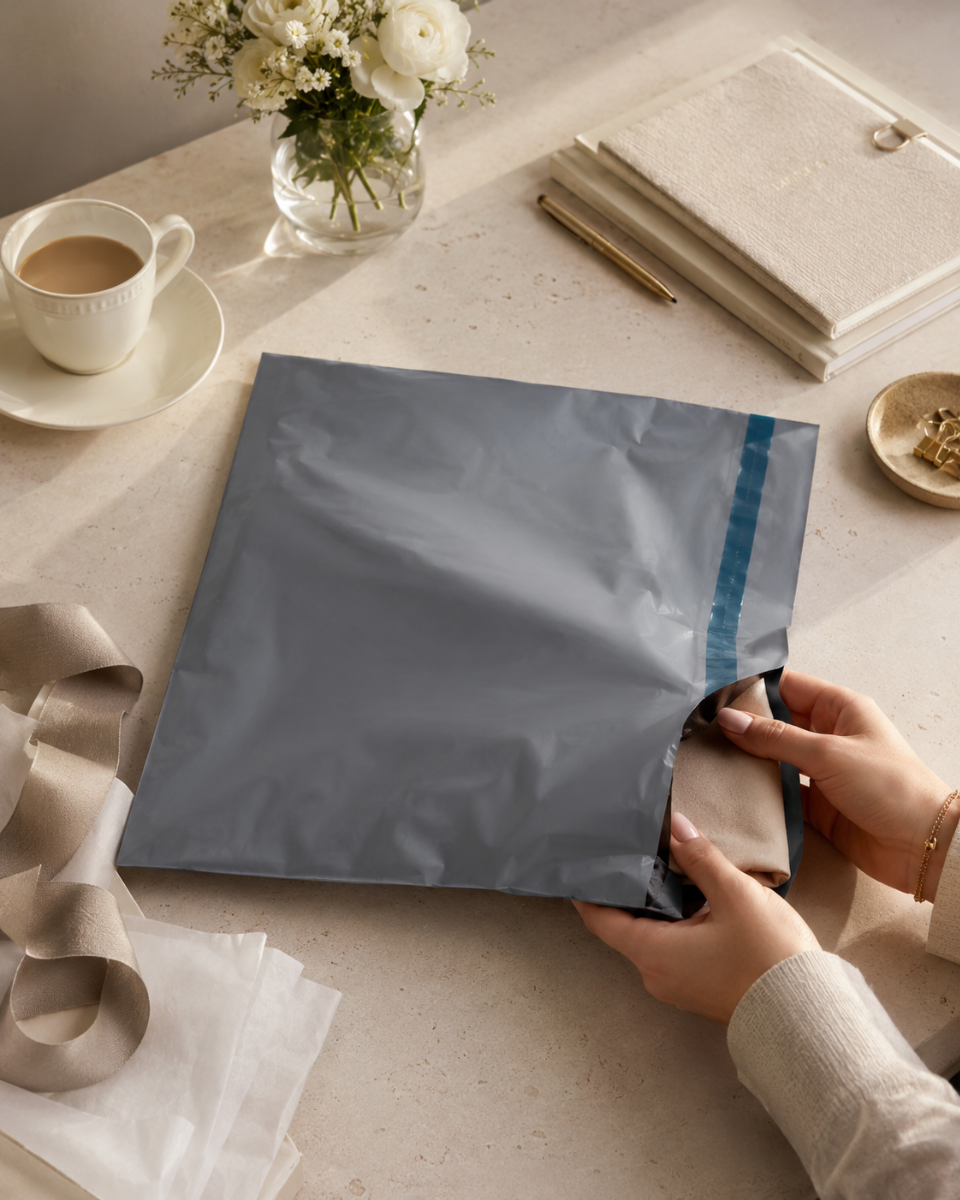
So, when choosing recyclable postal packaging, do not forget moisture resistance. A paper-based or recyclable option still needs to survive sorting centres, courier vans, rainy doorsteps, and the occasional “left in a safe place” adventure.
This is especially important for paper goods, textiles, cosmetics, food products, gift items, and anything where presentation could be affected by damp conditions.
Want to know more on Moisture Resistance For UK Weather?
Common Mistakes To Avoid
Assuming All “Eco” Packaging Is Recyclable
Eco-friendly packaging materials can mean many things. Some may be recyclable, some reusable, some compostable, and some made with recycled content. Always check the actual end-of-life route.
Making Claims Without Proof
If you cannot verify a claim, soften it or remove it. Use supplier documents, certifications, or material specifications to support your messaging.
Forgetting The Customer
A material may be technically recyclable, but if the customer does not know what to do with it, the experience falls short.
Overcomplicating The Pack
Mixed materials, decorative extras, plastic windows, metallic finishes, and heavy coatings can all affect recyclability. Use them carefully.
Ignoring Performance
Sustainable packaging still has a job to do. If it tears, leaks, crushes, or damages the product, it is not the right fit.
A Recyclable Packaging Checklist For Retailers
Use this before choosing your next packaging format:
- is the packaging recyclable through relevant UK routes?
- is the material easy for customers to recognise?
- does it include recycled content? If yes, what percentage?
- are certifications available, such as FSC-certified options?
- are disposal instructions clear and visible?
- does the packaging protect the product properly?
- does it suit your fulfilment process?
- can it be stored efficiently?
- does it support your brand presentation?
- can your supplier provide documentation for claims?
- does it still perform in damp or wet delivery conditions?
- can the same choice scale as order volumes grow?
If the answer is “not sure” more than twice, it is worth asking more questions before committing.
Ready to make recycling clearer, smarter, and more beautifully on-brand? Explore recyclable postal bags and choose packaging that works for your products, your customers, and the recycling journey after unboxing.
Explore Recyclable Postal Bags
Get started with postal bags.
FAQs
What Are The Benefits Of Using Recyclable Packaging For UK Businesses?
Recyclable packaging can help UK businesses reduce waste, improve customer experience, and support clearer sustainability messaging. It can also strengthen brand trust when claims are specific, visible, and backed by supplier information.
How Does The On-Pack Recycling Label Help Consumers Understand Recycling Options?
OPRL helps consumers understand how to dispose of packaging after use. Clear on-pack guidance reduces confusion and makes it easier for customers to recycle packaging correctly where suitable facilities exist.
What Types Of Recyclable Packaging Are Most Suitable For Sustainable Retail In The UK?
Paper postal bags, cardboard boxes, paper wraps, recyclable mailers, and paper-based inserts can all work well, depending on the product. The best option is the one that protects the item, suits the delivery route, and gives customers clear disposal instructions.
How Can Businesses Communicate Recycling Information To Customers?
Use simple on-pack messages, product page details, packing inserts, and clear sustainability pages. Keep the language specific, such as “recycle with paper” or “made with recycled content,” where accurate and supported.
What Are Examples Of Successful Recyclable Packaging Initiatives In The UK?
Successful initiatives usually focus on simpler material choices, clearer labelling, reduced unnecessary packaging, and improved recycling instructions. For retailers, success often starts with everyday packaging such as postal bags, boxes, and void fill.
What Role Does Recycled Content Play In Sustainable Packaging Choices?
Recycled content can reduce reliance on virgin materials and support circular material use. Businesses should state the percentage where known, rather than making vague claims.
How Can Businesses Assess The Recyclability Of Their Packaging Materials?
Start by identifying each material and asking suppliers for recyclability information, recycled content percentages, and certification details. Then review whether customers can realistically dispose of the packaging through relevant UK recycling routes.
What Are The Environmental Impacts Of Choosing Non-Recyclable Packaging?
Non-recyclable packaging can increase waste and reduce the chance that materials are recovered for future use. It can also create a poor customer impression if the packaging feels excessive or hard to dispose of.
What Strategies Can Businesses Use To Improve Packaging Sustainability?
Choose simpler materials, reduce unnecessary components, use recycled content where suitable, add clear disposal messaging, and review packaging regularly. Supplier transparency is essential.
How Can Transparency In Sourcing And Manufacturing Improve Sustainability Credentials?
Transparency helps customers and internal teams trust your claims. When you can explain what packaging is made from, where it comes from, and how it should be disposed of, your sustainability message becomes more credible.