











 Consultations
 Box Finder
 Help Centre


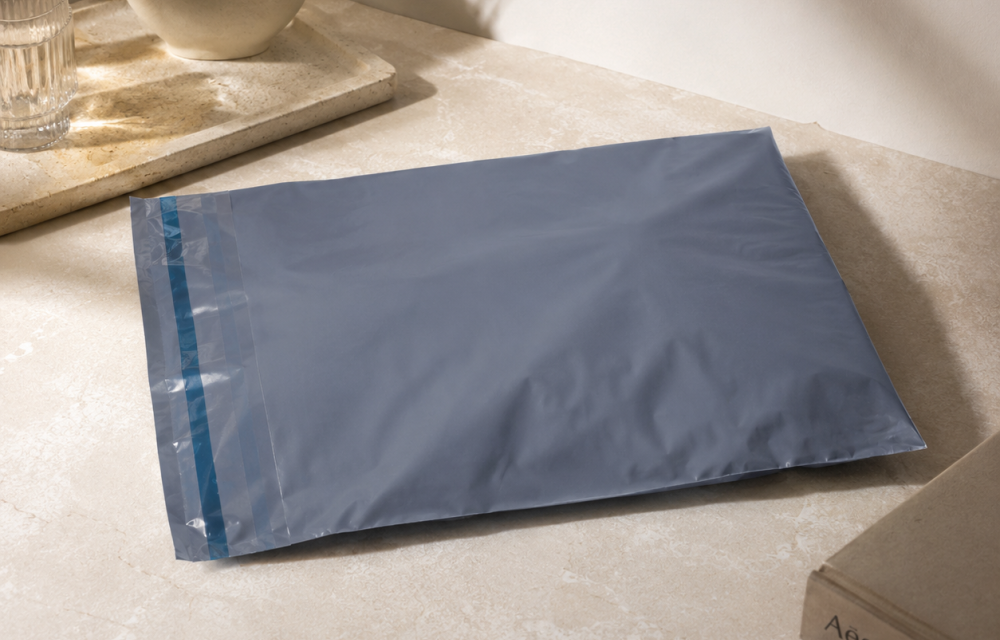
Ensuring Moisture Resistance In Postal Bags For UK Deliveries
UK weather does not politely wait for parcels to reach the doormat. It rains on warehouse yards, courier vans, sorting centres, doorstep deliveries, and those “safe places” that are often less safe than advertised. For e-commerce operations managers, moisture resistant materials for UK weather are not a nice extra, they are part of keeping orders presentable, protected, and customer-ready.
For high-volume fulfilment operations, packaging has to work hard without slowing the team down. It needs to be quick to pack, reliable in transit, cost-effective to buy, easy to store, and strong enough to handle last-mile delivery in the British climate. Add sustainability expectations into the mix, and the humble postal bag suddenly has quite the job description.
This guide explains why moisture resistance matters, how splash tests, coatings, and flap designs support better delivery operations, and what to consider when choosing UK weatherproofing solutions for e-commerce.
Shop postal bags designed for smoother, smarter dispatch.
What Is Moisture-Resistant Packaging?
Moisture-resistant packaging is packaging designed to help protect products from rain, splashes, damp handling conditions, and short exposure to wet delivery environments.
It is not always the same as waterproof packaging. Moisture resistance usually means the packaging can resist light rain, surface splashes, and damp conditions long enough to protect the contents during normal delivery handling. Waterproofing for British climate conditions may require stronger barriers, sealed seams, specialist coatings, or material testing depending on the product and delivery route.
In plain English: moisture-resistant packaging helps stop a soggy parcel from becoming a soggy problem.
For e-commerce, the right level of protection depends on what you sell, how far it travels, how it is packed, and what your customer expects to receive.
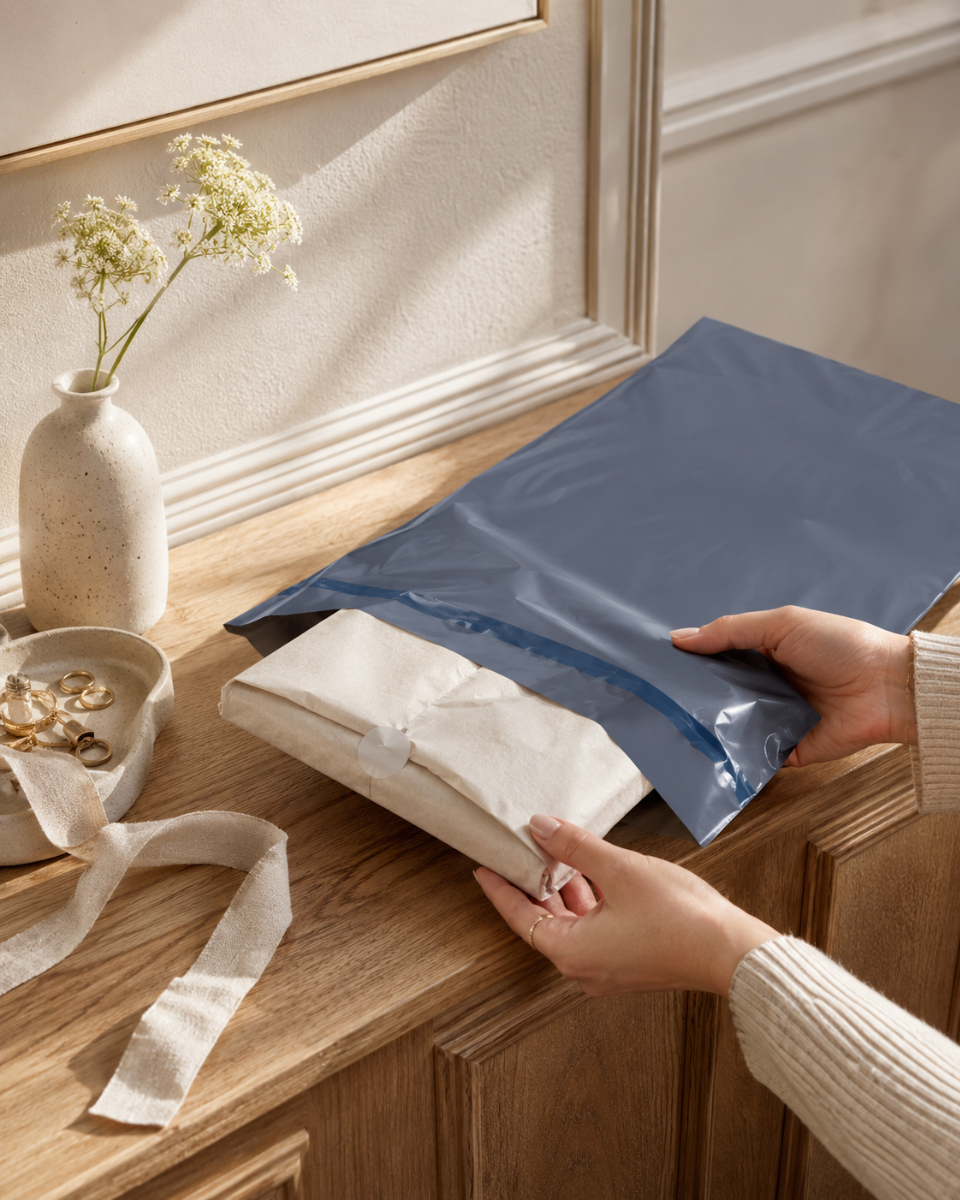
Why Moisture Resistance Matters In UK Delivery Operations
The last mile is where presentation can unravel. Parcels move from depot to van, van to doorstep, doorstep to customer, often in wet, windy, or cold conditions. Even if the product inside is not technically fragile, damp packaging can still affect the customer experience.
Moisture resistance helps protect:
- product presentation
- paperwork, inserts, and returns slips
- textiles, stationery, cosmetics, gifting, and paper goods
- printed branding and outer packaging
- customer confidence
- review scores and repeat purchase potential
For operations teams, this is not just about avoiding complaints. It is about delivery optimisation. The right postal bag can reduce repacking, replacement orders, customer service time, and the awkward “my parcel arrived wet” email no one wants to open before coffee.
Moisture-Resistant Does Not Mean Invincible
A common misconception is that moisture-resistant packaging can survive anything. It cannot. A postal bag designed to handle rain in last-mile delivery is not necessarily designed to sit in standing water, survive long outdoor exposure, or protect products that need full waterproof containment.
That distinction matters for procurement.
A good packaging specification should make clear whether the material is:
- Water-repellent: Designed to help water bead or run off the surface.
- Moisture-resistant: Designed to resist dampness, splashes, and short-term wet exposure.
- Waterproof: Designed to prevent water ingress under more demanding conditions, usually with stronger material, sealing, or construction requirements.
- Weather-resistant: Designed to tolerate broader environmental exposure, which may include moisture, temperature changes, and handling.
For most e-commerce parcels, the goal is not to dress every order for a deep-sea dive. It is to make sure the packaging can handle realistic UK delivery conditions.
| Term | What It Usually Means | What To Check |
|---|---|---|
| Water-repellent | Water may bead or run off the surface. | How long the material resists surface moisture. |
| Moisture-resistant | Designed to resist dampness, splashes, and short wet exposure. | Whether it suits normal last-mile delivery conditions. |
| Waterproof | Designed to prevent water ingress under stronger conditions. | What test or standard supports the claim. |
| Weather-resistant | Designed to tolerate broader exposure such as moisture and handling. | Which weather conditions it has been designed for. |
Splash Tests: What They Tell You
Splash tests are practical checks used to assess how packaging responds to surface water. They can help operations teams understand whether a material, coating, seal, or flap design gives enough protection for typical delivery exposure.
A simple splash test may look at:
- how water behaves on the outer surface
- whether the material absorbs moisture quickly
- whether seams, folds, or flap areas allow water through
- whether printed areas smudge, weaken, or mark
- whether contents remain dry after short exposure
Splash tests are useful because they focus on what happens in the real world. Parcels are rarely treated like lab samples in a white coat. They are stacked, slid, carried, scanned, dropped, loaded, and occasionally left beside a plant pot in the rain.
For high-volume fulfilment operations, ask suppliers what moisture testing has been carried out, what the test conditions were, and what the packaging is designed to withstand.
Why Coatings Matter
Coatings can improve the moisture resistance of postal bags by helping the outer surface repel water or slow moisture absorption. They are often used to add a protective layer without making the packaging bulky or difficult to pack.
Different coatings can affect:
- water resistance
- print quality
- surface feel
- recyclability
- tear resistance
- flexibility
- cost
- disposal guidance
This is where sustainability in packaging needs careful wording. A coating may improve performance, but it may also affect recyclability depending on the material and structure. Always check supplier documentation before making claims.
Good questions to ask include:
- what is the coating made from?
- does it affect recyclability?
- is the packaging still suitable for the intended recycling route?
- has the material been tested for splash or moisture exposure?
- can the supplier provide written specifications?
Smart packaging procurement is not about choosing the fanciest finish. It is about choosing the finish that does the job, proves the claim, and keeps the packing bench moving.
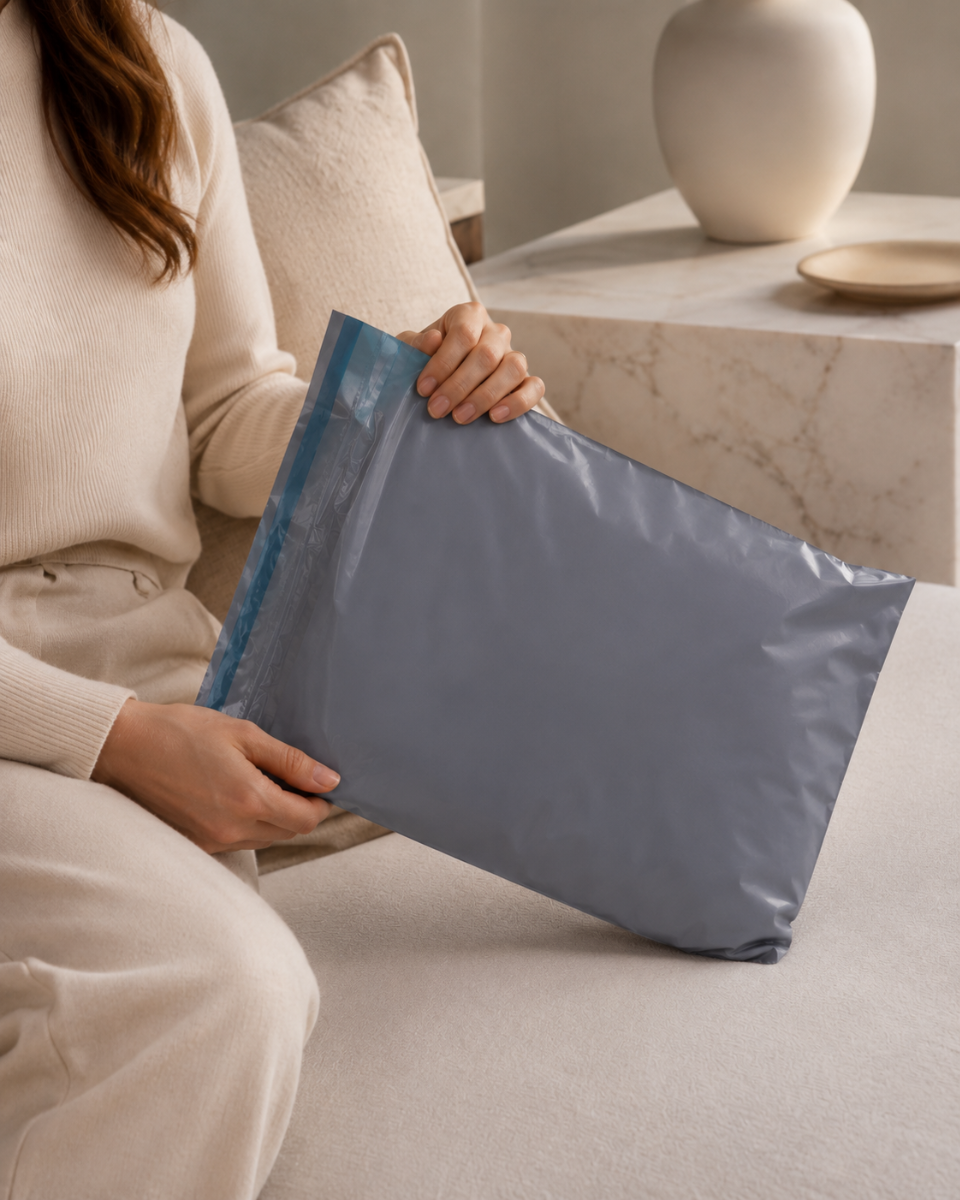
Flap Design For Packaging: Small Detail, Big Difference
Flap design for packaging can make a significant difference to moisture resistance. Even a strong material can underperform if water can reach the opening, adhesive strip, corners, or seams.
A well-designed flap helps:
- cover the opening securely
- reduce gaps where water could enter
- keep adhesive areas protected
- support fast packing
- improve tamper evidence
- create a cleaner customer presentation
For operations managers, the ideal flap is simple, secure, and intuitive. Your packing team should not need three attempts, two supervisors, and a motivational quote to close a postal bag properly.
Look for closure systems that suit the speed and rhythm of your fulfilment process. Peel-and-seal strips, returnable seals, reinforced flaps, and well-positioned adhesive areas can all support operational efficiency in e-commerce when they are easy to use consistently.
Last-Mile Delivery: Where Packaging Gets Tested
The last mile delivery station is often where packaging performance becomes most visible. Orders have already been picked, packed, labelled, sorted, and moved through multiple touchpoints. The final stretch is when weather, handling, and doorstep exposure can affect how the customer receives the parcel.
Moisture-resistant postal bags can help reduce risk during:
- rainy van loading
- damp depot handling
- outdoor handovers
- doorstep delivery
- parcel lockers
- garden, porch, or shed drop-offs
- returns journeys
This matters because customers judge the whole brand through the parcel they receive. If the outside arrives soaked, creased, or weakened, they may assume the contents were handled carelessly too, even when the product is perfectly fine.
Moisture resistance protects more than the item. It protects the impression.
| Delivery Risk | Why It Matters | What Helps |
|---|---|---|
| Rainy van loading | Parcels can meet moisture before they reach the customer. | Moisture-resistant material and secure sealing. |
| Doorstep exposure | Orders may be left outside briefly in wet conditions. | Strong closure and suitable outer protection. |
| Damp depot handling | Packaging may be stacked or moved in mixed conditions. | Tested coatings and durable material. |
| Returns journeys | The packaging may need to survive a second trip. | Returnable seals and stronger flap design. |
Which Products Need Moisture-Resistant Postal Bags?
Moisture-resistant packaging is especially useful for products where presentation, cleanliness, or surface condition matters.
Consider it for:
- Fashion and textiles: Clothing, accessories, and soft goods can feel less premium if outer packaging arrives damp or marked.
- Stationery and paper goods: Cards, prints, notebooks, and documents need protection from warping, staining, and moisture transfer.
- Cosmetics and beauty products: Outer cartons, labels, and inserts should arrive clean and sharp.
- Gift products: A gift order should feel ready to give, not like it took a detour through a puddle.
- Subscription boxes and repeat orders: Consistency matters. Customers expect the same standard every time.
- Lightweight retail products: Moisture-resistant postal bags can give protection without adding unnecessary bulk.
For paper-based alternatives that keep parcels practical and polished, read paper mailers that replace plastic well.
Paper, Plastic, And Coated Mailers: What To Consider
There is no one-size-fits-all answer for the best waterproof products for UK climate conditions in e-commerce packaging. The right material depends on the product and the delivery risk.
Paper Mailers
Paper mailers can offer a premium, tactile, and eco-minded feel. They are a strong fit for many retail brands, especially when presentation matters. If moisture resistance is needed, check whether the material, coating, or construction has been designed to resist damp conditions.
Plastic Mailing Bags
Plastic mailing bags can offer strong moisture resistance and lightweight protection. They may be useful for clothing, textiles, and products that need a flexible outer layer. Sustainability claims should be specific, especially around recycled content, recyclability, and disposal routes.
Coated Paper Postal Bags
Coated paper options can bridge the gap between paper presentation and moisture resistance. The key is to understand what the coating does, how it affects recyclability, and whether it suits your product.
Board Envelopes And Rigid Mailers
Rigid formats are useful when products need both structure and moisture protection. They may need additional outer protection depending on the item and delivery route.
Packaging is always a balancing act. The trick is knowing which compromise you are making, and why.
Moisture Resistance And Customer Satisfaction
Customer satisfaction is not only shaped by whether the product arrives. It is shaped by how it arrives.
A dry, tidy, well-sealed parcel tells the customer:
- their order was handled with care
- the brand has thought through delivery
- the product is worth what they paid
- the packaging is reliable
- the unboxing experience starts before the box opens
For customer service teams, better moisture resistance can mean fewer complaints about damp packaging, damaged inserts, compromised presentation, and replacement requests.
For brand teams, it supports trust.
For operations teams, it supports efficiency.
For customers, it simply feels better.
That is packaging doing its job quietly. Very chic of it.

Cost-Effective Packaging Solutions For Moisture Resistance
Moisture-resistant packaging does not have to mean over-engineered packaging. Cost-effective packaging solutions focus on matching the level of protection to the product risk.
To control cost, assess:
- Product vulnerability: Does moisture damage the product itself, the presentation, or both?
- Delivery route: Are orders mainly UK domestic? Are they exposed to lockers, doorstep delivery, or returns?
- Order volume: High-volume fulfilment operations need packaging that is easy to pack quickly and source reliably.
- Damage and complaint rates: A slightly higher unit cost may be worthwhile if it reduces replacements and customer service time.
- Storage space: Bulky materials can create hidden costs in busy fulfilment areas.
- Packing speed: A fast, reliable seal can save labour time across thousands of orders.
- Supplier reliability: A packaging option only works if it is available when you need it.
The cheapest bag is not always the most cost-effective one. The best choice protects the order, supports fulfilment, and prevents small problems from becoming expensive ones.
Sustainability In Moisture-Resistant Packaging
Sustainability in packaging and moisture resistance can work together, but the details matter. A recyclable or paper-based bag still needs to protect the product. A moisture-resistant coating still needs clear disposal guidance. A plastic option may still need specific information around recycled content or recyclability.
Avoid vague claims. Use specific, provable language, such as:
- made with recycled content, where the percentage is known
- recyclable where suitable facilities exist
- FSC-certified paper options, where certification applies
- plastic-free options, where the whole product is genuinely plastic-free
- designed to reduce moisture exposure during delivery
For clearer recycling decisions, read Recyclable Choices That Make Sense For UK Schemes.
The aim is not to shout “eco” louder. It is to make packaging choices that perform well, use materials responsibly, and help customers understand what to do next.
How To Choose Moisture-Resistant Postal Bags
Use this process before switching packaging or adding a new format to your fulfilment line.
- Map Your Delivery Risk. Look at where moisture exposure is most likely. Is it depot handling, van loading, doorstep delivery, returns, or warehouse storage?
- Identify Product Sensitivity. Decide whether moisture could affect the product, the outer carton, the label, the insert, or the customer’s perception.
- Review Material Options. Compare paper, plastic, coated paper, and rigid mailer formats. Consider moisture resistance, recyclability, presentation, and storage.
- Ask About Testing. Request details of splash tests, coatings, or other performance checks. Ask what conditions the packaging has been designed for.
- Check The Closure. Review the flap design, adhesive strip, seal strength, and ease of use. The best material can still fail if the closure is weak.
- Trial It In Real Fulfilment. Test the bag with your products, team, labels, courier process, and packing speed. A good packaging choice should work in the warehouse, not just in the sample pack.
- Review Customer Feedback. Track complaints, returns, and comments about delivery condition. Customer feedback can show whether the new packaging is doing its job.
Moisture-Resistant Packaging Checklist
Before choosing a postal bag, ask:
- is the material suitable for UK weather exposure?
- has it been splash tested or performance checked?
- does the coating affect recyclability?
- is the flap design secure and easy to close?
- does the seal hold during handling and delivery?
- will the contents stay dry during typical last-mile delivery?
- does it work with your packing speed and workflows?
- is it cost-effective across high-volume fulfilment?
- can the supplier provide clear specifications?
- does the packaging support your sustainability claims?
- will it still look good when the customer receives it?
- can it be sourced reliably during peak periods?
If it protects the product, supports the team, and keeps the customer happy, it has earned its place on the packing bench.
| Check | What To Ask |
|---|---|
| Material | Is it suitable for damp UK delivery conditions? |
| Testing | Has it been splash tested or performance checked? |
| Coating | Does the coating improve protection, and does it affect recyclability? |
| Flap design | Does the closure reduce gaps and protect the adhesive area? |
| Seal strength | Will the seal hold during packing, handling, delivery, and returns? |
| Brand presentation | Will it still look clean, tidy, and professional when received? |
Common Mistakes To Avoid
Choosing Looks Over Performance
Beautiful packaging still needs to survive the journey. A lovely mailer that weakens in damp conditions may not be the best choice for UK delivery.
Assuming “Waterproof” Means Everything-Proof
Waterproofing claims vary. Always check what the packaging has actually been tested against and whether it matches your delivery conditions.
Ignoring The Flap
Moisture often finds the weakest point. If the flap, seal, or corner design is poor, the material alone may not protect the contents.
Forgetting Returns
Returns are part of the parcel journey. If customers reuse packaging for returns, the bag may need a second seal or enough durability for another trip.
Making Sustainability Claims Too Broad
Do not claim that packaging is sustainable, recyclable, biodegradable, or plastic-free unless the details support it. Specific beats sparkly every time.
Ready For Packaging That Keeps Its Cool In The Rain?
Ready to make wet-weather delivery feel less like a gamble? Explore biodegradable mailing bags and postal packaging options built to keep dispatch moving, customers smiling, and parcels looking beautifully under control.
Shop postal bags designed for smoother, smarter dispatch.
FAQs
Is 10,000mm Waterproof Good For Packaging?
A 10,000mm waterproof rating is commonly discussed in outdoor clothing and fabric contexts, but it is not usually the most useful way to assess postal packaging. For e-commerce packaging, ask for practical moisture performance evidence, such as splash testing, coating details, seal strength, and suitability for last-mile delivery.
What Are The Benefits Of Moisture-Resistant Packaging In The UK?
Moisture-resistant packaging helps protect products from rain, damp handling, and doorstep exposure. It can improve customer satisfaction, reduce complaints, and help parcels arrive looking professional in unpredictable UK weather.
How Do Splash Tests Ensure The Effectiveness Of Packaging?
Splash tests show how packaging responds to surface water in realistic conditions. They can help reveal whether material, coatings, seams, or flaps allow moisture through during short-term exposure.
What Innovative Coatings Are Available For Moisture Resistance?
Coatings can be used to help paper or other materials repel water, slow absorption, or improve surface protection. The right option depends on the product, recyclability requirements, print finish, and supplier specifications.
How Can Flap Designs Improve Moisture Resistance In Packaging?
A well-designed flap helps cover the opening securely and reduce gaps where water could enter. Strong adhesive placement, neat closure, and returnable seal options can all support better protection during delivery.
Why Is Moisture Resistance Important For Last-Mile Delivery In The UK?
Last-mile delivery is where parcels are most likely to meet rain, damp vans, outdoor handovers, lockers, and doorstep exposure. Moisture resistance helps parcels arrive dry, tidy, and customer-ready.
How Does Moisture-Resistant Packaging Enhance Customer Satisfaction?
Customers expect their orders to arrive clean, dry, and well presented. Moisture-resistant packaging protects that first impression and can reduce frustration caused by damp or weakened outer packaging.
What Are The Cost-Effective Solutions For Moisture-Resistant Packaging?
Cost-effective options include selecting the right material for the product risk, using secure flap designs, choosing tested coatings where needed, and avoiding over-engineered packaging. The best solution reduces complaints and replacements without slowing fulfilment.
How Does Moisture-Resistant Packaging Support Sustainability Efforts?
Moisture-resistant packaging can support sustainability when it protects products well, reduces replacement shipments, and uses materials responsibly. Claims around recyclability, recycled content, or plastic-free construction should be specific and backed by supplier evidence.
What Should UK E-Commerce Operations Managers Consider When Choosing Moisture-Resistant Packaging?
They should consider product sensitivity, delivery route, material performance, splash test evidence, coating impact, flap design, packing speed, supplier reliability, storage space, cost, and sustainability documentation.