













 Consultations
 Box Finder
 Help Centre


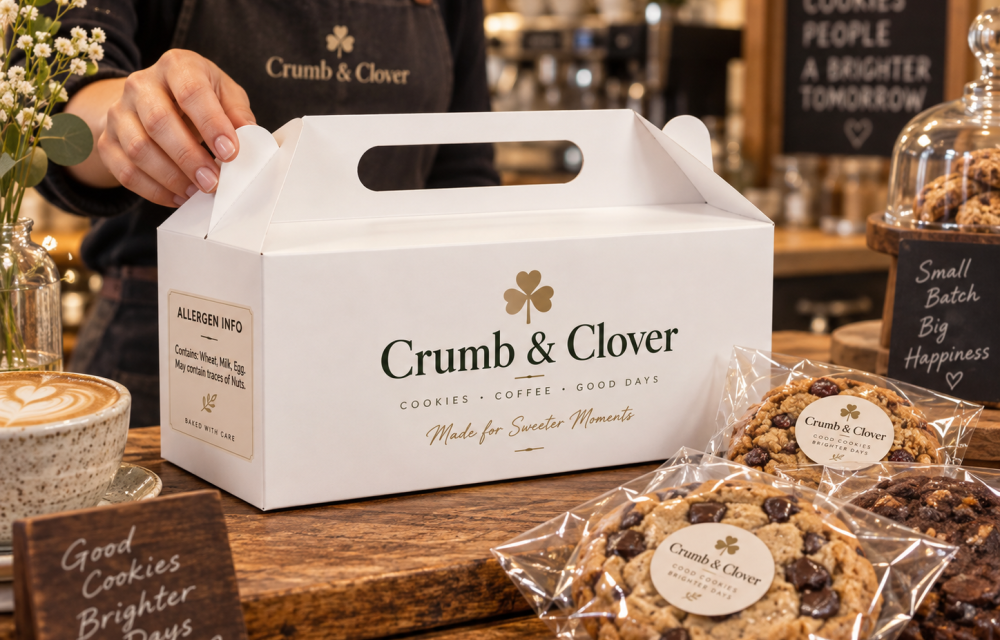
Understanding Allergen And Ingredient Labelling Under Natasha’s Law
A beautifully packed hamper can make an immediate impression.
An unclear allergen label can make one for entirely the wrong reason.
For businesses creating food gifts, employee hampers, event packs, or branded edible treats, packaging has two jobs. It has to present the product beautifully, and it has to give people the information they need to make safe choices.
This is where allergen and ingredient labelling becomes much more than something to squeeze onto the back of the pack.
Good labelling protects people, supports consumer confidence, and helps maintain brand integrity. And, when Natasha’s Law labels or wider food labelling rules apply, getting the detail right is essential.
One important distinction first: Natasha’s Law specifically relates to prepacked for direct sale (PPDS) food. Since 1st October 2021, PPDS food must display the name of the food and a full ingredients list, with regulated allergens emphasised within that list. Other forms of food, including other prepacked products, non-prepacked foods, and distance-sold food, are subject to different labelling requirements.
This guide provides general information rather than legal advice. Food businesses remain responsible for determining which rules apply to their products and ensuring their food information is accurate.
Need food packaging to get you started?
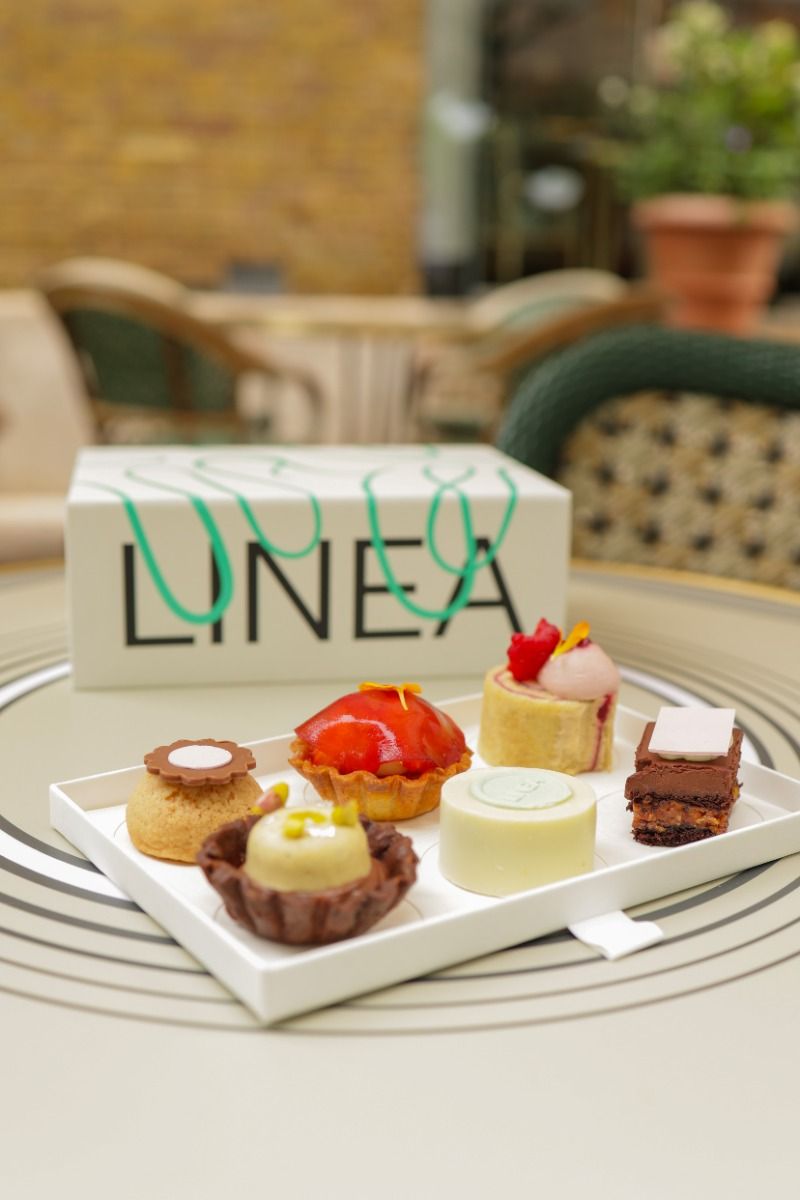
What Is Natasha’s Law?
Natasha’s Law is the name commonly used for the strengthened allergen labelling requirements for food that is prepacked for direct sale.
PPDS generally means food that has been packaged before the customer selects or orders it, at the same place from which it is then offered or sold.
Examples can include sandwiches, cakes, salad boxes, or other food prepared and packaged on-site before a customer chooses them.
For PPDS food, the label needs to show:
- The name of the food.
- A full ingredients list.
- Any of the 14 regulated allergens present as ingredients clearly emphasised within that list.
These requirements apply across the UK, with separate official guidance available for Scotland.
Simple on paper. Rather more important when the label is sitting on something somebody is about to eat.
Does Natasha’s Law Apply To Corporate Gifts?
Not automatically.
This is an important point for anyone sourcing corporate gifts for employees in the UK, event hampers, client gifts, or branded food packaging.
Natasha’s Law applies specifically to PPDS food. A prepacked product supplied by another food manufacturer, food sold remotely, or food presented in another way may fall under different food information requirements.
For example, official guidance states that distance selling, including food bought online or by telephone, requires allergen information to be made available before purchase and again when the food is delivered.
So the first question should not be, "Do we need a Natasha’s Law label?"
It should be, "How is this food produced, packaged, supplied, and sold?"
The answer determines which requirements apply.
For corporate gifting teams, that makes communication with food suppliers particularly important. If your branded outer hamper contains individually prepacked products, the regulatory responsibilities and required information may differ from food prepared and packed directly by your own organisation.
The 14 Allergens You Need To Know
UK food law requires businesses to provide information about 14 regulated allergens when they are present in food.
They are:
- Celery.
- Cereals containing gluten, such as wheat, rye, barley, and oats.
- Crustaceans, such as prawns, crabs, and lobster.
- Eggs.
- Fish.
- Lupin.
- Milk.
- Molluscs, such as mussels and oysters.
- Mustard.
- Peanuts.
- Sesame.
- Soybeans.
- Sulphur dioxide and sulphites above the specified concentration.
- Tree nuts, including almonds, hazelnuts, walnuts, Brazil nuts, cashews, pecans, pistachios, and macadamia nuts.
For PPDS food, these allergens must be emphasised when they appear in the ingredients list. Official guidance gives options including bold text, capital letters, contrasting colours, or underlining.
The important word here is clear.
Allergen information is not the place for subtle typography.
The Full Ingredients List Matters
Under PPDS requirements, the label needs to include the name of the food and a full list of ingredients, with regulated allergens emphasised.
The ingredients list should be headed, or preceded, by wording that includes "ingredients", and ingredients are generally listed in descending order of weight at the point the product was made.
That ingredient transparency matters particularly in corporate gifting.
A recipient may not have chosen the individual food items themselves. They might be receiving a Christmas hamper from an employer, a thank-you box from a supplier, or an edible gift at an event.
Clear information allows that person to make their own decision.
A premium gift should feel thoughtful from the outside in. Ingredient information is part of that thoughtfulness.
Allergens Need To Stand Out
Putting an allergen somewhere in the ingredients list is not enough for PPDS products.
It needs to be emphasised every time it appears as required.
For example, if milk appears in several ingredients within a product, it should be emphasised each time rather than relying on the customer to spot a single mention elsewhere in the list.
Your design system therefore needs to account for allergen emphasis before the label reaches its final artwork stage.
You might use:
- Bold text.
- Capital letters.
- Underlining.
- An appropriate contrasting colour.
Whichever approach is selected, legibility should win.
The ingredients panel is not the place to see how pale your brand's palest neutral can go.
How Small Can Food Label Text Be?
There are minimum requirements for the size of mandatory food information.
Current government guidance specifies a minimum x-height of 1.2mm for mandatory information. Where the largest surface area of the packaging is less than 80cm², a minimum x-height of 0.9mm can be used.
X-height refers to the height of a lowercase "x" within a particular typeface, rather than simply a familiar font point size.
That distinction matters because two fonts set at the same nominal point size can have quite different levels of readability.
For designers, the practical lesson is straightforward: do not rely on a standard point-size rule alone.
Check the actual typeface, final label dimensions, and physical print.
Visibility Is Just As Important As Font Size
Compliant type size will not help much if the label is hidden beneath ribbon.
Mandatory food information needs to be easy to see and clearly legible. PPDS guidance states that consumers should not need to open the packaging to access required label information.
That means placement should be considered alongside the whole packaging design.
Watch for labels that are:
- Covered by belly bands or sleeves.
- Hidden underneath the box.
- Distorted around corners.
- Obscured by decorative stickers.
- Printed onto low-contrast backgrounds.
- Positioned beneath ribbon.
- Split awkwardly across folds.
Beautiful packaging and clear information are not opposing goals.
They simply need to meet each other earlier in the design process.
What About "May Contain" Warnings?
This is where cross-contamination warnings need particularly careful treatment.
Precautionary allergen labelling, often using wording such as "may contain", addresses the possible unintended presence of an allergen rather than allergens deliberately used as ingredients.
Food Standards Agency guidance says precautionary allergen information should follow a thorough risk assessment and be used where a real, unavoidable risk of allergen cross-contact remains after appropriate risk-management measures have been considered. Using precautionary wording where no real risk exists may unnecessarily restrict consumer choice and could be misleading.
In other words, "may contain" is not a useful legal-sounding phrase to add just in case.
It should mean something.
Be Specific With Precautionary Allergen Information
Current FSA best-practice guidance recommends identifying the particular allergen involved rather than using vague wording.
For example, "may contain peanuts" is more useful than a generic statement such as "may contain allergens".
Precision helps the person reading the label understand the actual risk.
This is a good principle for packaging more widely.
Clear beats clever when safety information is involved.
Avoid Treating Labels As The Final Design Job
One of the easiest ways to create problems is to design the beautiful bit first and find somewhere for the required information afterwards.
Instead, build the label area into the packaging architecture.
Before approving the box, sleeve, pouch, jar, card, or hamper format, know:
- How much information the food supplier needs to provide.
- Which items need their own labels.
- Where the information will sit.
- How large the label needs to be.
- Whether variable information may change between batches.
- Whether ribbons, seals, or branding elements could obscure it.
- Whether information will remain legible after packing and transit.
Compliance should have a seat at the design table.
Preferably before someone has signed off the foil.

Corporate Christmas Hampers Need A Joined-Up Approach
Corporate Christmas hampers in the UK can contain products from several different suppliers, making allergen and ingredient management particularly important.
Chocolate might come from one producer. Biscuits from another. A drink from another. Fresh food may be packed differently again.
The outer presentation box can bring everything together aesthetically, but it does not replace any food information that the individual items or food business must provide.
If you are assembling a large corporate gifting campaign, gather ingredient and allergen information early.
Last-minute changes to product selection can create last-minute changes to labels.
And nobody needs another December spreadsheet called "FINAL_final_allergens_v7".
Good Labelling Builds Trust
Safety information rarely gets described as part of brand experience.
It should.
Imagine receiving two food gifts.
One has tiny ingredients printed in an awkward place, vague allergen wording, and labels partly covered by decorative packaging.
The other is beautifully presented but makes important information immediately easy to find and read.
Which brand feels more considered?
Maintaining brand integrity is not only about using the right Pantone colour or logo size. It is also about showing customers that the details affecting them personally have been taken seriously.
Trust is built in the small print too.
Make The Unboxing Experience Clear, Not Cluttered
Corporate gifting often aims to create a moment.
There is tissue, ribbon, a card, a beautifully fitted box, and carefully chosen products.
Food information does not have to spoil that experience.
Good hierarchy can help keep safety information accessible while allowing the rest of the packaging to breathe.
Consider separating roles clearly.
The outside can introduce the brand.
An insert can tell the gifting story.
Individual food products can carry the information legally required for them.
The important thing is not to sacrifice clarity for a cleaner photograph.
People need to be able to find the information when they need it.
Packaging Materials Need To Support The Label
The surface itself matters too.
A beautiful food label is not much use if it lifts from a textured board, smudges, becomes unreadable, or is applied where it cannot be seen.
When choosing food packaging materials, consider the label alongside the substrate, coating, handling requirements, storage conditions, and final presentation.
Physical testing is worth doing before a larger run.
Apply the label.
Pack the product.
Handle it.
Store it as intended.
Open it as the customer would.
Then check whether every piece of important information is still easy to find and read.
Tamper Evidence And Allergen Information Work Together
Food safety is rarely one isolated packaging decision.
Clear allergen and ingredient information tells customers what is inside. Appropriate tamper evidence can help communicate whether the pack has remained intact.
If both considerations are relevant to your project, read our guide to Tamper Evidence That Customers Trust.
Good packaging does not make people work for reassurance.
Sustainability Cannot Come At The Expense Of Legibility
For brands with sustainability targets, reducing unnecessary material is a sensible conversation.
But sustainability in business does not mean making essential information harder to access.
A smaller label is not automatically a better label.
Neither is replacing clear printed information with a solution that does not meet the applicable food information requirements.
Instead, consider packaging and labelling together.
Could the required label integrate neatly with an existing packaging component?
Could material use be reduced elsewhere?
Are responsibly sourced paper-based packaging options appropriate for the project?
Is recycled content available, and if so, what percentage?
As with any environmental packaging claim, use specific, verifiable information rather than sweeping terms such as "100% sustainable".
Build A Reliable Approval Process
For larger gifting campaigns, allergen errors are often as much a process issue as a graphic-design issue.
Packaging artwork can pass through marketing, procurement, agencies, printers, food suppliers, and fulfilment teams before it reaches the recipient.
Every handover is an opportunity for information to change.
A sensible approval process should confirm the final ingredient information directly with the responsible food supplier or food business, check allergen emphasis, confirm label size and placement, and make sure the information matches the product actually being packed.
If a recipe or supplier changes, the label may need to change with it. PPDS guidance specifically notes that food businesses should have processes for updating information when ingredients or suppliers change.
"Same as last year" is not an allergen-control process.
An Allergen And Ingredient Labelling Checklist
Before a food gifting project moves into production, check:
- Has the food business confirmed which labelling rules apply?
- Is the product PPDS, prepacked, non-prepacked, or being distance sold?
- Is the name of the food correct?
- Is the required ingredients information complete?
- Are regulated allergens clearly emphasised where required?
- Has any precautionary allergen statement been informed by an appropriate risk assessment?
- Is mandatory information large enough and clearly legible?
- Is there sufficient contrast?
- Can the recipient access the information without unnecessary obstruction?
- Will ribbon, seals, sleeves, or other packaging components cover the label?
- Has the label been tested on the final packaging material?
- Is there a controlled process for artwork approval and ingredient changes?
- Have final details been confirmed with the responsible food supplier or food business?
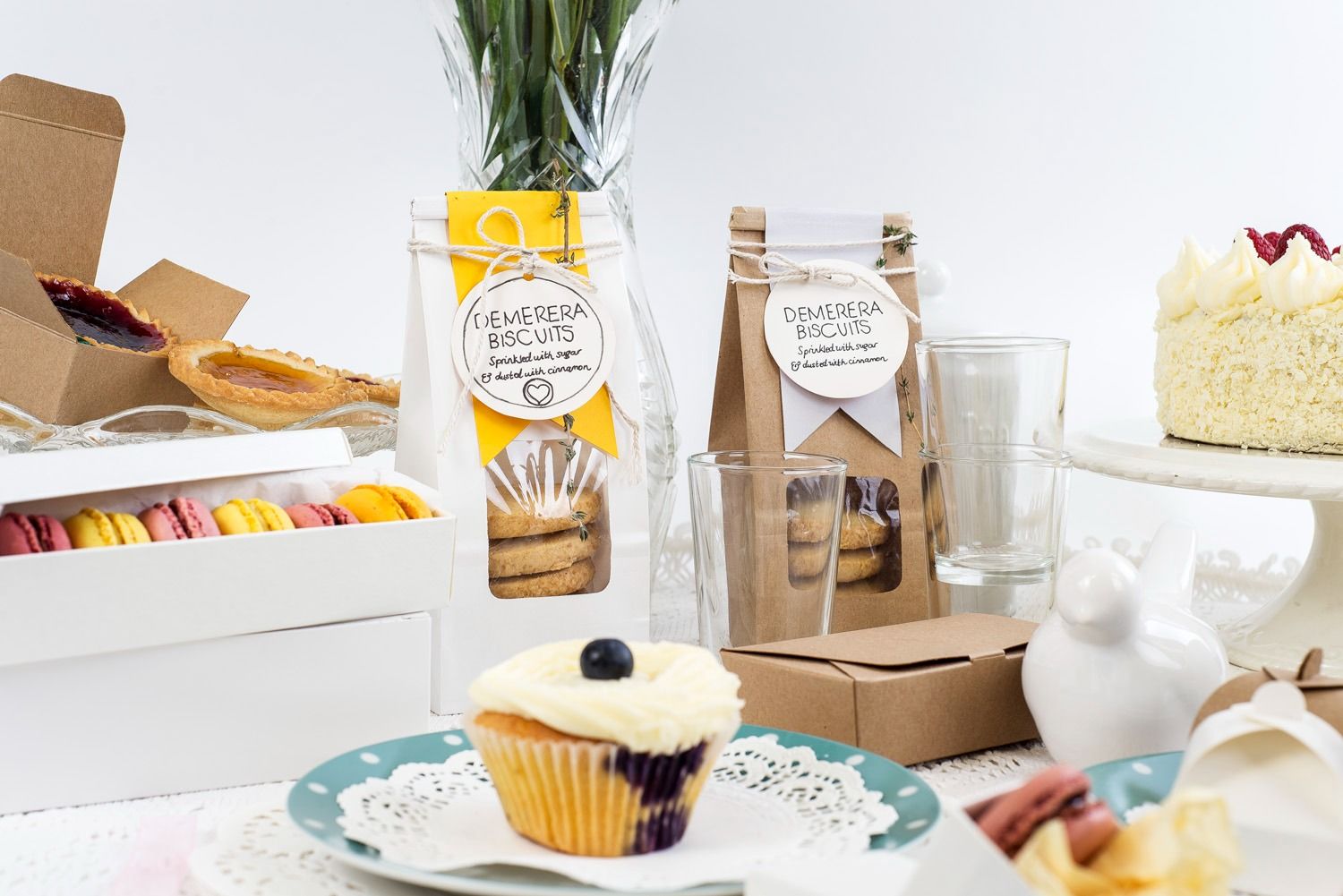
The Best Packaging Makes Important Information Easy
Food gifting is meant to feel thoughtful.
That thought should extend beyond the colour of the ribbon and the weight of the box.
Ingredient information needs to be accurate. Allergens need to be clear. Labels need to remain visible and readable. And precautionary warnings need to communicate a genuine risk, not simply fill space.
Get those fundamentals right and the packaging can still do everything else brilliantly.
It can feel premium. It can carry your branding. It can create a memorable unboxing experience.
Most importantly, it can help the person opening it understand exactly what they have been given.
Planning branded food packaging or a corporate gifting project? Talk to Tiny Box Company about packaging formats that give your products space to look good while keeping essential information clear.
FAQs
What Are The Legal Requirements For Allergen Labelling In The UK?
The exact requirements depend on how the food is packaged and supplied. Food businesses must provide information about the 14 regulated allergens when relevant. PPDS food must display the food name and a full ingredients list with regulated allergens emphasised. Other prepacked, loose, and distance-sold foods have different requirements.
What Is Natasha’s Law?
Natasha’s Law is the commonly used name for rules requiring food sold prepacked for direct sale to display its name and a full ingredients list with regulated allergens emphasised. The requirements have applied since 1st October 2021.
What Are The 14 Allergens That Must Be Declared?
They are celery, cereals containing gluten, crustaceans, eggs, fish, lupin, milk, molluscs, mustard, peanuts, sesame, soybeans, sulphur dioxide and sulphites above the specified concentration, and specified tree nuts.
How Should Allergens Be Highlighted In An Ingredients List?
Official guidance states that allergens can be emphasised using methods such as bold type, capital letters, contrasting colours, or underlining. The aim is for them to stand out clearly within the ingredients list.
What Font Size Should Be Used On A Food Label?
Government guidance specifies a minimum x-height of 1.2mm for mandatory food information. If the largest surface area of the packaging is less than 80cm², the minimum x-height can be 0.9mm.
What Is Precautionary Allergen Labelling?
Precautionary allergen labelling is voluntary information about the potential unintended presence of allergens, commonly communicated using wording such as "may contain". FSA guidance recommends using it where a real, unavoidable cross-contact risk remains following appropriate assessment and risk management.
Should Every Product Carry A "May Contain" Warning To Be Safe?
No. FSA guidance says precautionary allergen labelling should be based on an identified risk. Using it without a real cross-contact risk can unnecessarily restrict consumer choice and may be misleading.
Does Natasha’s Law Apply To Food Sold Online?
Natasha’s Law specifically concerns PPDS food. Distance selling has separate requirements, including making allergen information available before the purchase is completed and when the food is delivered.
How Can Allergen Labelling Support Brand Trust?
Clear information shows that the customer experience has been considered beyond appearance alone. Easy-to-find ingredients, legible allergen information, and well-planned packaging can help a food gift feel more thoughtful, professional, and trustworthy.
Can Sustainable Packaging Still Meet Food Labelling Requirements?
Yes, but sustainability decisions should be considered alongside legibility, material suitability, food safety, and applicable labelling requirements. Essential information should never become harder to access simply to reduce the visual or material footprint of the label.